
How Should the Outdoor Tent be Maintained in Windy Weather?
2026-07-08
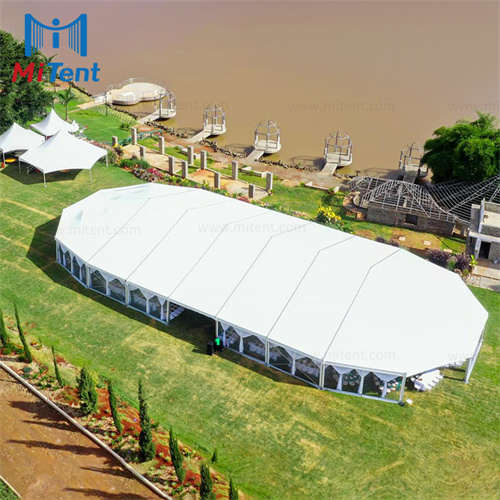
When strong winds are forecast, temporary structures like (marquees, party tents, or industrial shelters) are particularly vulnerable. Unlike permanent buildings with deep foundations, these structures rely on ballast, stakes, and the integrity of their fabric to withstand nature's force. High winds are one of the leading causes of tent failure, often resulting in uplift, tearing, or complete structural collapse.
To protect your property and ensure the safety of everyone nearby, proactive maintenance and rapid response are essential. Here is a step-by-step guide to weathering the storm.
1.Pre-Storm Assessment: Know Your Structure's Limits
Before the wind picks up, you must understand what your tent can handle. This is not just about the frame; it's about the entire system.
- Anchoring is Everything: Check every anchor point. Whether you are using screw-in stakes in soil, concrete ballasts on pavement, or water barrels, ensure they are secure and rated for the expected wind speed. Heavy ballast is mandatory on hard surfaces where staking is impossible.
- Inspect the Fabric: Walk around the entire structure and look for any rips, loose seams, or weak points. Wind will exploit any tear, rapidly turning a small hole into a massive failure . Check that all zippers, Velcro, and tie-downs connecting the fabric to the frame are fully secured.
- The Frame Check: Inspect all joints and connections. Ensure that all nuts and bolts are tightened and that the frame is square and level. A racked or twisted frame has significantly less wind resistance .
2.Reinforcement Techniques: Battening Down the Hatches
Once you have assessed the base condition, it is time to reinforce the structure against the predicted wind load.
- Lower the Sides: If your outdoor tent has removable sidewalls, consider taking them down. While they provide enclosure, they also act as massive sails. Removing them allows wind to pass through the structure rather than pushing against it . If walls must stay up, ensure they are laced tightly to the frame.
- Add Cross-Bracing: If your tent kit includes extra cross-bracing or storm straps, now is the time to install them. These are specifically designed to prevent the frame from racking under lateral pressure.
- Seal the Perimeter: Check the base of the walls. If air can get under the bottom edge of the sidewalls, it can create internal lift, literally inflating the tent and lifting it off the ground. Sandbags or weights placed along the inside base of the walls can help prevent this .
3.Emergency Protocols: When the Wind Arrives
If the wind reaches dangerous levels, or if a sudden storm blows in, the strategy shifts from maintenance to damage control and safety.
- Evacuate and Clear the Area: The moment high winds hit, clear all people, furniture, and equipment out of the tent . Do not attempt to make repairs or adjustments while the tent is actively shaking.
- Look for "Sailing": Observe the tent from a safe distance. If you see the fabric "sailing" (bulging excessively in and out) or the frame lifting off the ground at the base, the structure is failing. Do not approach it. A collapsing tent can kill.
- Cut the Fabric (Last Resort): In an extreme situation where a tent is lifting and becoming a projectile, some safety protocols suggest cutting the fabric to allow the wind to pass through and relieve pressure . This destroys the tent but can prevent it from being carried into power lines or neighboring buildings.
4.Post-Storm Inspection: Assessing the Damage
Once the wind has died down completely, a thorough inspection is required before reusing the structure.
- Check for Shifting: Look at the base plates and stakes. Has the tent shifted position? Are any anchors pulling out of the ground? If the tent has moved even slightly, the entire frame geometry may be compromised.
- Inspect High-Stress Points: Pay close attention to the joints where the roof meets the poles. The constant flapping of fabric in the wind (a phenomenon known as "flogging") can weaken seams and abrade the fabric against the metal frame.
- Re-Tension: Wind can stretch PVC and fabric roofs. After a wind event, check the tension of the entire structure. A loose roof will flap more in the next breeze, leading to faster wear and tear .
Summary Checklist for Wind Events
1.Pre-Wind: Secure all anchors and ballasts. Tighten all frame connections. Remove sidewalls if possible.
2.During Wind: Evacuate the tent. Monitor from a safe distance. Do not attempt physical intervention.
3.Post-Wind: Inspect for frame shifting. Check fabric for new tears or abrasions. Re-tension the roof.
By following these maintenance and safety protocols, you can dramatically increase the resilience of your outdoor tent against high winds, ensuring it remains a safe and functional space regardless of the weather forecast.
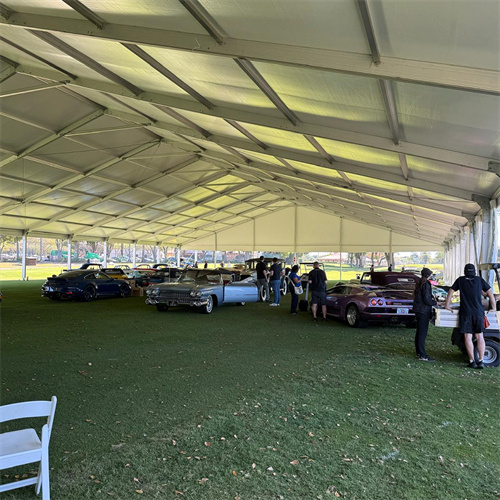 The Advantages of Exhibition Tents in Practical Applications
 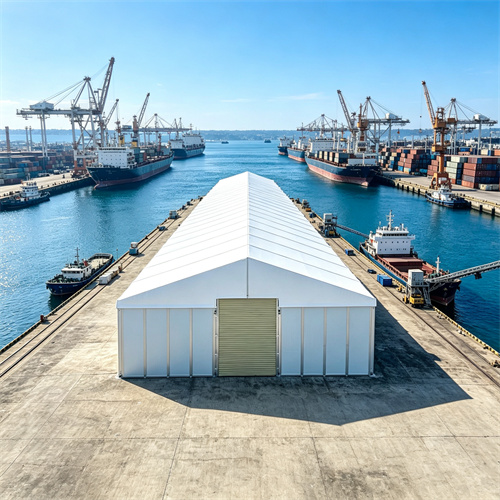 Key Differences Between Warehouse Tent and Traditional Warehouses
 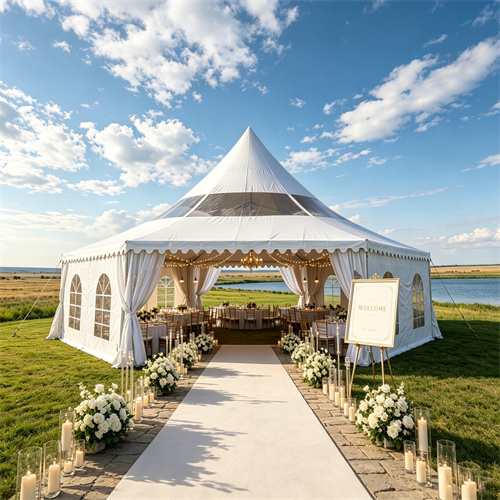 Core Differences Between Heavy‑Duty Marquee and Light Weight Marquee
  The Relationship Between Marquee Fabric Weight and Service Life
  Characteristics and Applications of 850g and 650g PVC Tent Fabric
  How to Keep Tent Cool and Sun-Safe in Summer?
  In Which Occasions Are Double-Decker Tents Suitable for Use?
  Guide to Marquee Tent Usage, Maintenance and Storage Under Various Weather Conditions
  Features and Benefits of Warehouse Tents
  Features and Benefits of Full Transparent Tents
  How To Choose A High-Quality Party Tent Suitable for Your Events
  How to Remove Snow from a Tent in Heavy Snow Weather?
  The Achievable Heights of Outdoor Marquees
  Decoration Techniques for Event Tents in Different Occasions
  Precautions for Setting Up Outdoor Tents
  Characteristics and Processing Differences between Transparent PVC and White PVC in Tent Products
  Advantages of Tents Made of Aluminum Alloy
  Key Investment Advantages of a Basketball Sports Tent
  The Double-Decker Tent: Elevating Event Spaces for Grand Occasions
  How to Choose a Warehouse Tent with Safety as the Top Priority