
Guide to Marquee Tent Usage, Maintenance and Storage Under Various Weather Conditions
2026-08-10
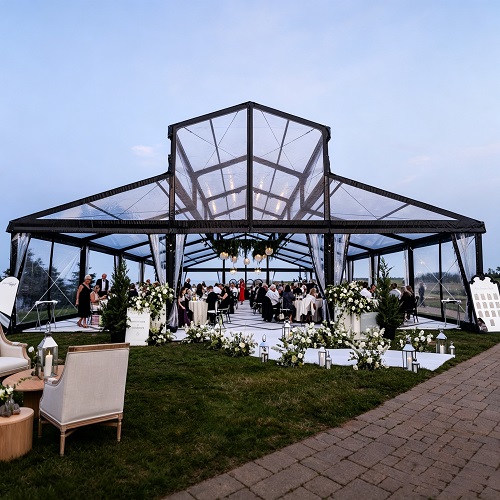
Aluminum alloy marquee tents are widely applied for wedding banquets, outdoor events and temporary storage. Their operation, maintenance and storage methods vary greatly under different weather conditions. Standardized operations can greatly extend the service life of PVC fabric and metal frames. Below is a practical guide sorted by weather scenarios.
1. Tent Operation Guidelines for Different Weather
Hot Sunny Days
Intense ultraviolet rays under summer sunlight will accelerate aging and discoloration of PVC fabric. Black-and-white double-coated tarpaulins are recommended for construction to reflect UV radiation. Keep all side curtains and transparent windows open during daytime for ventilation, so as to avoid heat accumulation and fabric bulging inside the tent. If the tent is left exposed for a long time, an extra sunshade cloth can be covered on the roof when not in use. Aluminum frames expand slightly under high temperatures; do not over-tighten the tarpaulin and leave minor space for thermal expansion to prevent tearing.
Rainy & Humid Seasons
Before setup, inspect the waterproof strips and pressing strips at all roof joints for integrity, and install waterproof edging around zippers of doors and sheer curtains. During heavy rains, guarantee unobstructed drainage around the tent. Raise the ground or lay waterproof flooring to stop rainwater seeping from the bottom. Leave a 5–10 cm gap under side curtains to avoid soaking. Ventilate the tent for 2 hours daily during prolonged rainy spells to prevent mold and odd odors inside the fabric. In heavy rain accompanied by strong winds, fully close all side curtains and reinforce ground anchors and counterweights. Do not stack heavy objects along the tent edges.
Strong Wind & Typhoon Warnings
Open marquees are not recommended when wind force reaches level 6 or above. Remove all side curtains to cut wind resistance and add extra concrete counterweights to fix base plates under level-8 winds. The load-bearing structure relies on aluminum frames and ground anchors instead of guy ropes. Keep staff away from tent corners during windy weather to avoid frame deformation. Once a typhoon alert is issued, fully dismantle the tarpaulin and only reserve the metal frame to stop fabric from being torn by gales.
Cold Winter with Snow
Clear snow from the roof timely once snow accumulates over 5 cm to prevent frame bending under heavy loads. Use soft brushes for cleaning instead of hard shovels that scratch the fabric. PVC tarpaulin turns rigid and brittle in low temperatures. Slow down disassembly and assembly movements and avoid hard pulling to prevent cracking.
2. Routine Maintenance Tips
Clean tarpaulin stains with clean water and neutral detergent only. Strong acid or alkaline cleaners are forbidden for oil and mud marks. Let fabric air-dry naturally instead of exposing it to intense sunlight for drying. Check frame bolts regularly and apply anti-rust lubricant monthly. For seaside areas with high salinity, wipe aluminum supports biweekly against corrosion. Dust black ceiling drapes and sheer curtains regularly; place dehumidifiers inside the tent in humid climates to eliminate mildew. Repair small cracks with special PVC adhesive patches promptly to stop further damage.
3. Standard Storage Procedures
First, thoroughly clean tarpaulins and frames to remove mud, water, twigs and debris, as damp storage directly causes mold and fabric adhesion. Fold tarpaulins only after complete air-drying. Avoid sharp metal hardware during folding and pad protective cloth at corners to reduce crease wear. Pack black ceiling drapes separately to prevent snags from hard frames. Bundle aluminum frames by category, and store bolts, door and window accessories in sealed bags to prevent loss and rust. Keep storage warehouses dry and ventilated, with tarpaulins stacked above ground. Keep them away from chemical supplies and sharp metal pieces. Unpack and ventilate regularly in rainy seasons to avoid long-term airtight dampness.
Following the core principle of weather control, regular maintenance and dry storage can extend the tent’s service life by 3 to 5 years and cut replacement and repair costs significantly.
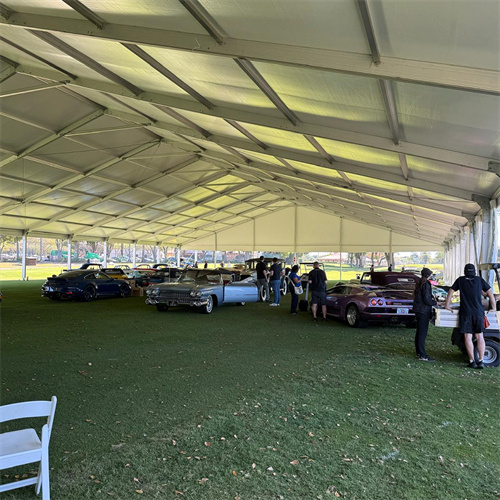 The Advantages of Exhibition Tents in Practical Applications
 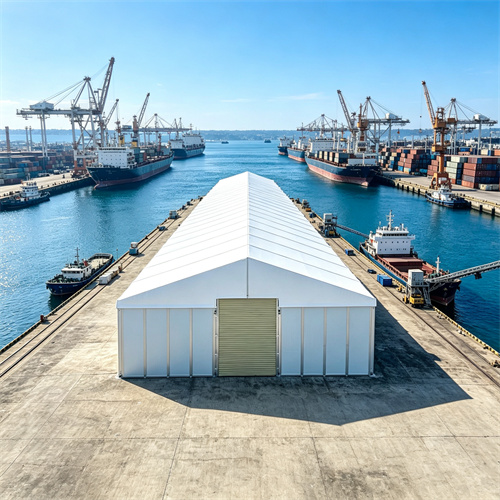 Key Differences Between Warehouse Tent and Traditional Warehouses
 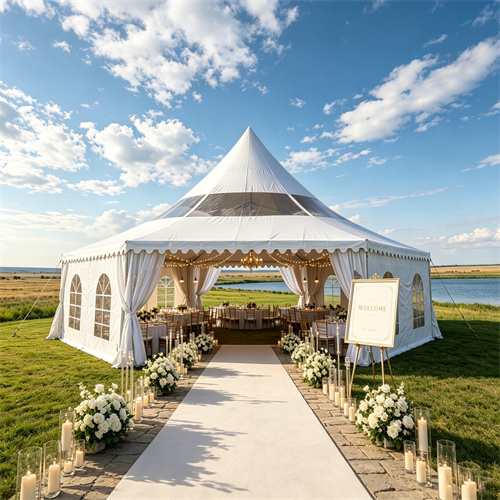 Core Differences Between Heavy‑Duty Marquee and Light Weight Marquee
  The Relationship Between Marquee Fabric Weight and Service Life
  Characteristics and Applications of 850g and 650g PVC Tent Fabric
  How to Keep Tent Cool and Sun-Safe in Summer?
  In Which Occasions Are Double-Decker Tents Suitable for Use?
 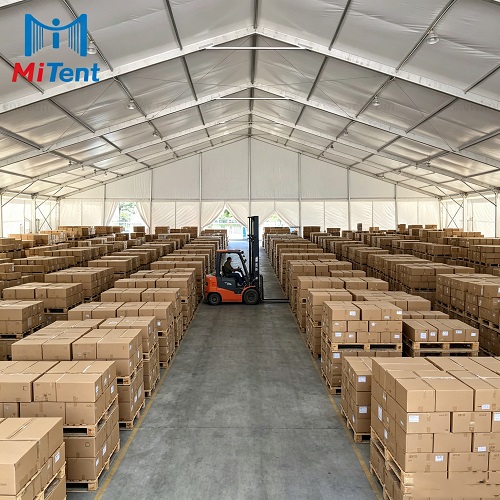 Features and Benefits of Warehouse Tents
  Features and Benefits of Full Transparent Tents
 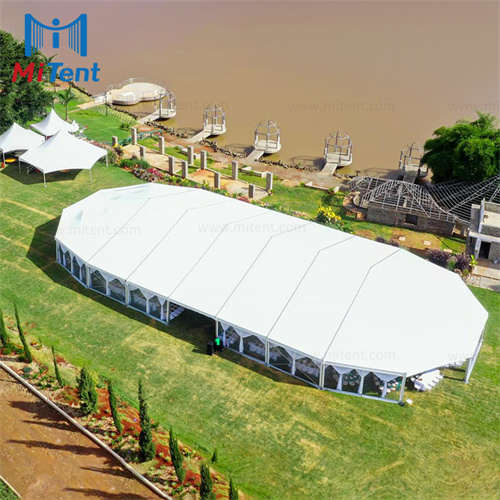 How Should the Outdoor Tent be Maintained in Windy Weather?
  How To Choose A High-Quality Party Tent Suitable for Your Events
 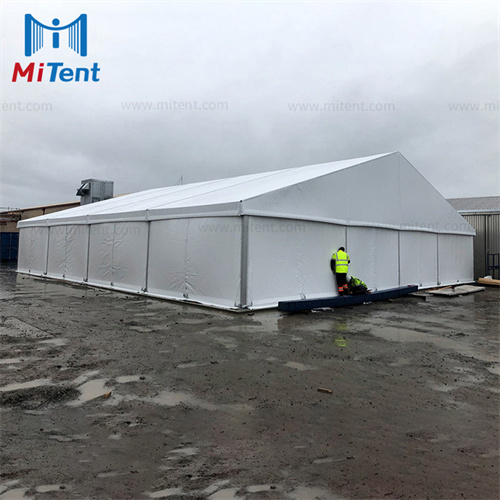 How to Remove Snow from a Tent in Heavy Snow Weather?
 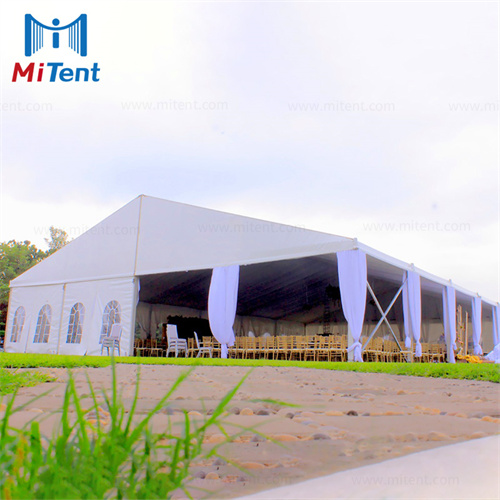 The Achievable Heights of Outdoor Marquees
 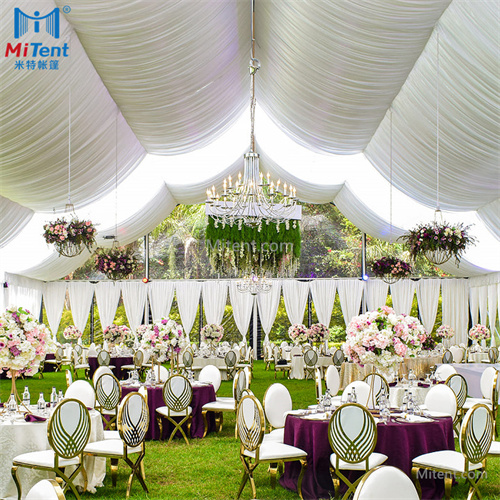 Decoration Techniques for Event Tents in Different Occasions
 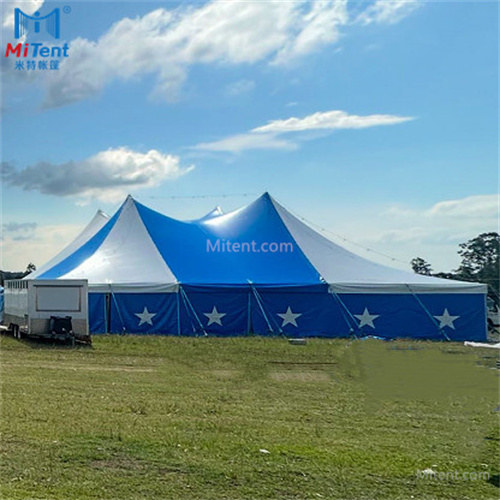 Precautions for Setting Up Outdoor Tents
 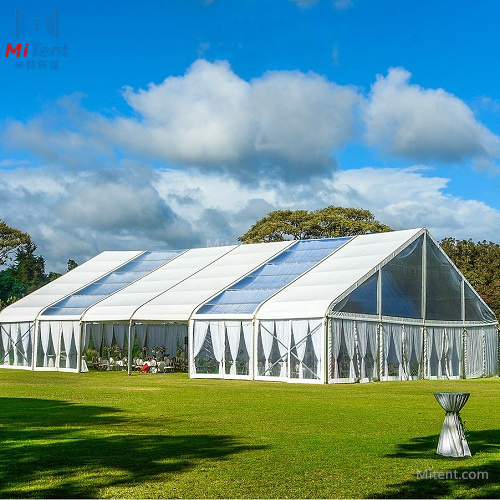 Characteristics and Processing Differences between Transparent PVC and White PVC in Tent Products
 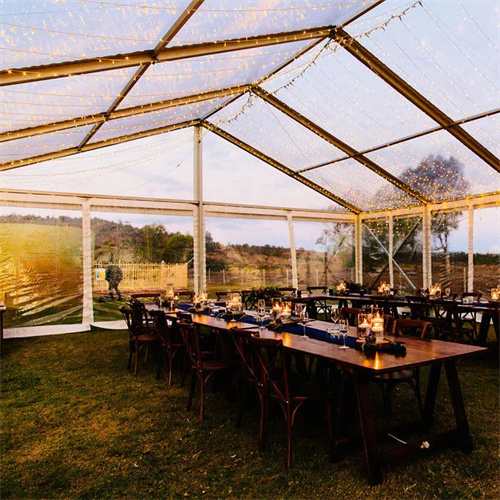 Advantages of Tents Made of Aluminum Alloy
  Key Investment Advantages of a Basketball Sports Tent
  The Double-Decker Tent: Elevating Event Spaces for Grand Occasions
  How to Choose a Warehouse Tent with Safety as the Top Priority