
How to Keep Tent Cool and Sun-Safe in Summer?
2026-09-01
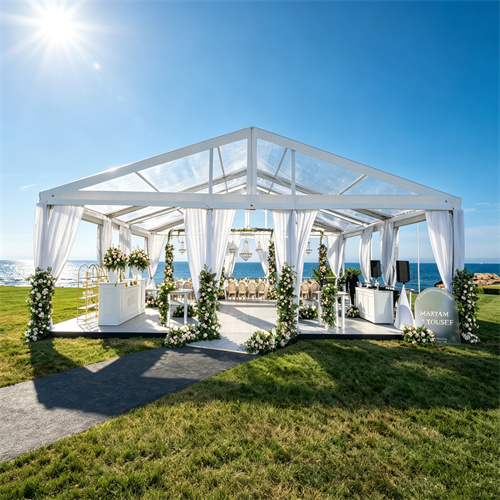
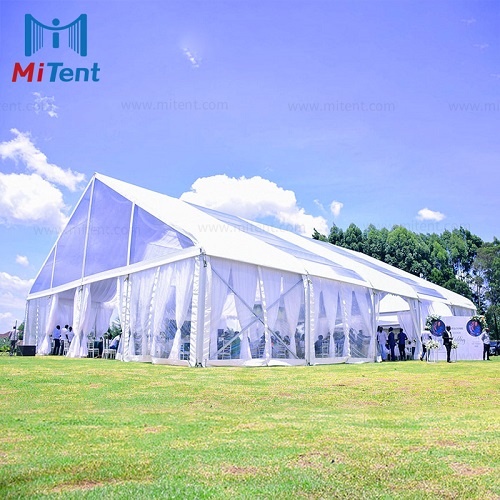
Summer brings intense sunlight, high temperatures and strong ultraviolet radiation, which often make tents, marquees and temporary outdoor structures hot, stuffy and uncomfortable. Whether used for commercial events, weddings, exhibitions, warehouse storage or daily leisure, a cool and stable interior environment is essential. By combining physical sun protection, optimized ventilation, professional cooling equipment and detailed environmental design, tents can maintain a comfortable temperature even in scorching summer. This article systematically introduces practical and efficient methods to achieve sun protection and cooling for summer tents, with strong operability and wide applicability.
The primary measure for tent cooling is to block solar radiation and heat absorption from the source. High-quality tent tarpaulin with UV-resistant and heat-reflective coatings is the foundation, as it can reflect most sunlight and reduce heat conduction. Installing an external sunshade or a double-layer roof structure further weakens direct sunlight, forming a heat insulation layer between the outer cover and the main body. Pasting reflective aluminum foil insulation material on the top interior is also highly effective, which can isolate more than 70% of radiant heat and significantly lower the indoor temperature. In addition, avoiding dark-colored tent fabrics and choosing light-colored, high-reflectivity materials can reduce heat accumulation caused by light absorption.
Adequate ventilation is the key to natural cooling and air circulation. Tents should be equipped with multiple adjustable side windows, top ventilation hoods and openable curtain walls to form cross-ventilation. When hot air rises and flows out from the top, cool outdoor air enters from the lower openings, forming a natural air cycle that quickly takes away heat and moisture. For large-scale event tents, removing partial sidewalls during low-wind weather can maximize air flow and eliminate stuffiness effectively. Good ventilation not only assists cooling but also improves air quality, making the space more pleasant for people staying inside.
For strong cooling demand, matching professional cooling equipment is necessary. Portable industrial air conditioners are suitable for medium and small tents, providing stable and low-temperature cooling. Water-cooled air coolers are more energy-saving and environment-friendly for large-space marquees, with wide air supply and obvious cooling effect. Equipping vertical fans, floor fans or circulating fans in fixed areas can accelerate air flow and enhance the human body's cooling sensation. It is important to arrange circuits safely and place equipment reasonably to ensure smooth ventilation and passage without potential safety risks.
Auxiliary details can further optimize the cooling effect. Laying heat-insulating floor mats, carpets or artificial turf can prevent ground heat from radiating upward. Placing green plants and water decorations inside and outside the tent can adjust the microclimate and reduce the ambient temperature naturally. Controlling the number of people and heat-generating devices inside the tent also helps avoid unnecessary temperature rise.
In conclusion, summer tent sun protection and cooling require a comprehensive system integrating sun insulation, ventilation and active cooling. Scientific material selection, reasonable structure design and appropriate equipment configuration can create a cool, comfortable and safe space for tents in hot weather. These methods not only improve the experience of users but also protect the tent material from sun damage, extending its service life and making tents a reliable and practical outdoor solution all year round.
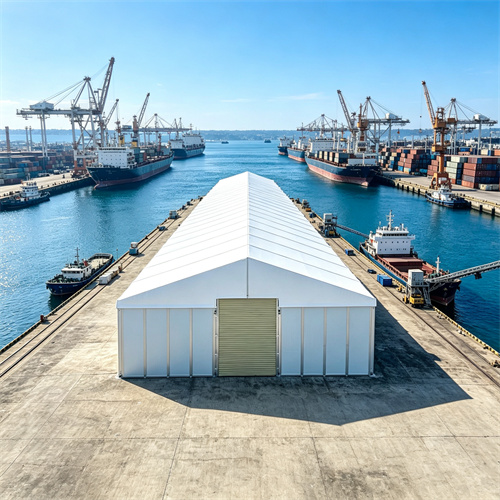 Key Differences Between Warehouse Tent and Traditional Warehouses
 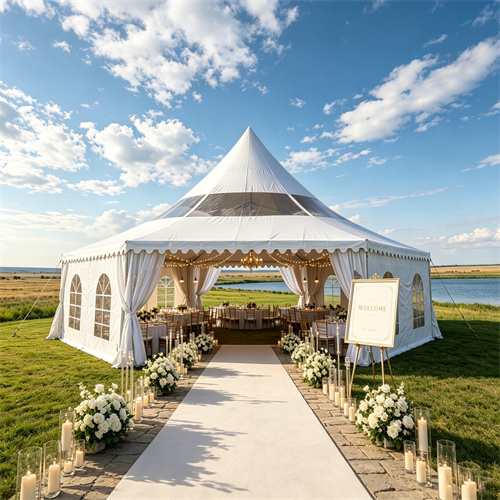 Core Differences Between Heavy‑Duty Marquee and Light Weight Marquee
 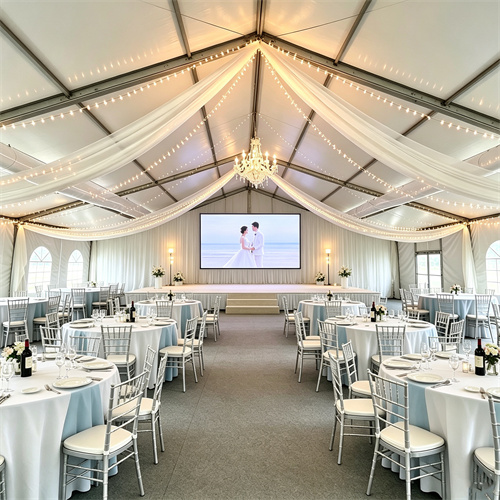 The Relationship Between Marquee Fabric Weight and Service Life
 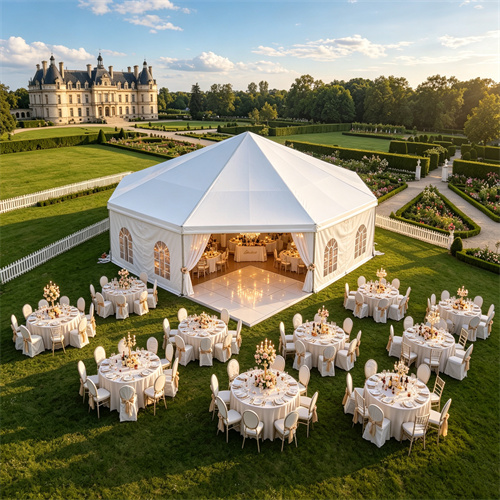 Characteristics and Applications of 850g and 650g PVC Tent Fabric
 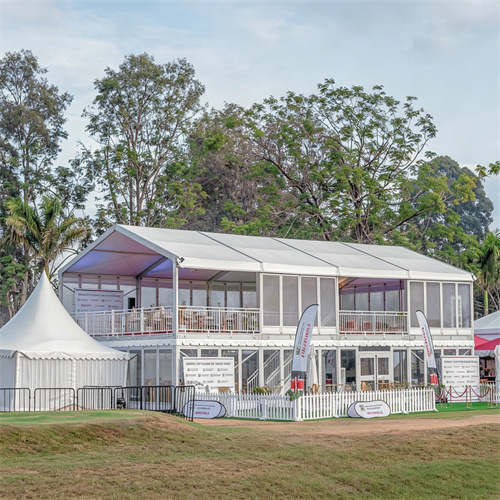 In Which Occasions Are Double-Decker Tents Suitable for Use?
 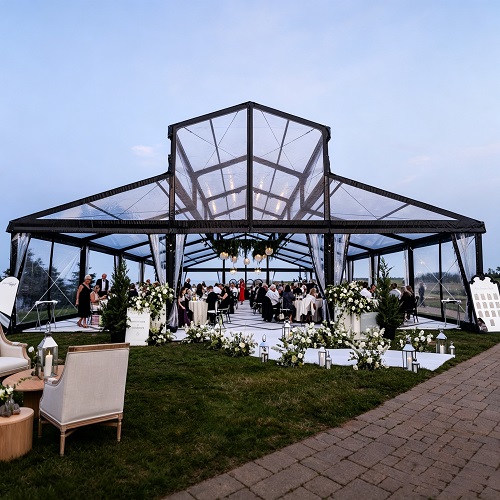 Guide to Marquee Tent Usage, Maintenance and Storage Under Various Weather Conditions
 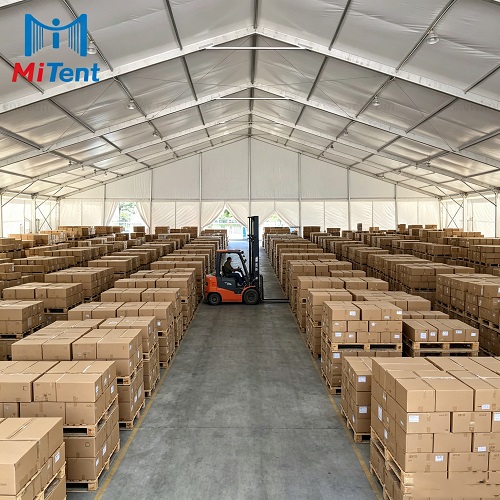 Features and Benefits of Warehouse Tents
  Features and Benefits of Full Transparent Tents
  How Should the Outdoor Tent be Maintained in Windy Weather?
  How To Choose A High-Quality Party Tent Suitable for Your Events
  How to Remove Snow from a Tent in Heavy Snow Weather?
  The Achievable Heights of Outdoor Marquees
  Decoration Techniques for Event Tents in Different Occasions
  Precautions for Setting Up Outdoor Tents
  Characteristics and Processing Differences between Transparent PVC and White PVC in Tent Products
  Advantages of Tents Made of Aluminum Alloy
  Key Investment Advantages of a Basketball Sports Tent
  The Double-Decker Tent: Elevating Event Spaces for Grand Occasions
  How to Choose a Warehouse Tent with Safety as the Top Priority
  The Use Site and Specific Purpose of PVC Aluminum Alloy Tents