
Precautions for Setting Up Outdoor Tents
2026-05-26
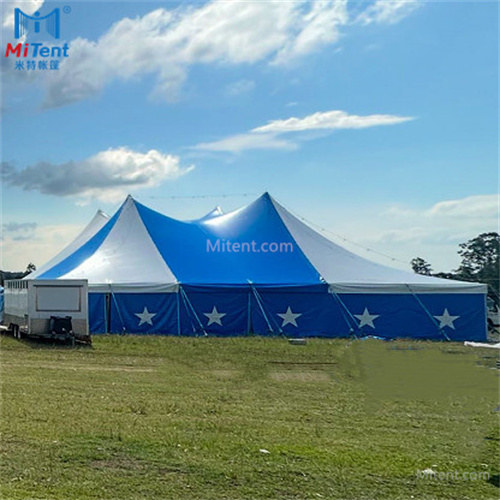
When setting up an outdoor aluminum alloy PVC tent, safety, stability and proper operation are the core principles that cannot be ignored, as they directly determine the tent’s service life and the safety of users during use. This article details the key points and precautions throughout the entire setup process, from pre-installation preparation to post-installation inspection and daily maintenance, helping you avoid common operational mistakes and effectively reduce risks.
First of all, thorough preparation work before setup is the foundation to ensure smooth and safe installation. Before starting the setup, you should carefully check all components one by one, including aluminum alloy frames, PVC canopies, connecting bolts, ground stakes, tie-down straps, wind ropes and other supporting accessories. For the aluminum alloy frame, pay special attention to checking whether there are cracks, dents or deformation on the surface, and whether the joints between each section are loose or damaged, as these problems will directly affect the overall stability of the tent. For the PVC canopy, carefully inspect for scratches, small holes, aging or peeling of the waterproof coating; even a small scratch may lead to water leakage in rainy weather, reducing the tent’s waterproof performance. Meanwhile, it is necessary to choose a suitable setup site: the site should be flat, firm and free of obstacles, and avoid sloped terrain that may cause the tent to tilt, loose gravel land that is not conducive to fixing, low-lying areas prone to water accumulation after rain, and areas near overhead power lines to prevent safety accidents. In addition, if the tent is used for large-scale commercial events or public gatherings, you must confirm the relevant regulations and requirements of the local area in advance and apply for the necessary setup permits to ensure compliance with relevant laws and regulations.
During the setup process, standardizing the operation steps is essential to ensure the structural stability of the tent. You must strictly follow the installation instructions provided by the manufacturer, assemble the aluminum alloy frame in the correct order—starting from the base frame, then installing the vertical poles and crossbars, and gradually moving up to ensure that each component is connected in place. When fastening the connecting bolts, use a torque wrench to tighten them according to the specified torque; do not over-tighten, which may cause the bolts to break or the frame to deform, nor under-tighten, which may lead to loose connections and affect the tent’s stability. When laying the PVC canopy, avoid dragging it directly on the ground, as the ground may have sharp stones, branches or other debris that can scratch the canopy. It is recommended that two people cooperate to lift and spread the canopy evenly, then fix it tightly to the frame with ropes or buckles, ensuring that there are no wrinkles on the canopy surface. Wrinkles not only affect the appearance but also easily cause water accumulation in rainy weather, increasing the pressure on the frame and even leading to structural damage. In addition, for different ground types, corresponding anchoring methods should be adopted: for grassland, farmland or compacted soil, use steel ground stakes with sufficient length to insert deeply into the ground to enhance fixation; for hard surfaces such as pavement, concrete and stone ground, use sandbags, steel weight plates or concrete blocks to press the base of the tent, as ground stakes cannot be inserted into hard ground effectively.
Safety precautions during the setup process must be taken seriously to avoid personal injury or property damage. It is recommended that at least two people cooperate to set up the tent, especially when installing the vertical poles and canopy, to prevent the frame from toppling and causing injury. PVC fabric is flammable, so it is strictly forbidden to place flame, high-temperature heat sources (such as stoves, candles, heaters) near the tent, and avoid contact with corrosive substances, which may damage the fabric and lose its flame-retardant performance. During the setup process, pay close attention to weather changes; do not set up the tent in adverse weather conditions such as strong winds (wind speed exceeding 5 levels), heavy rain, thunderstorms or snowstorms. If the weather suddenly deteriorates during setup, stop the operation immediately, reinforce the existing frame temporarily, and evacuate to a safe area. In addition, before setup, clean the site to remove sharp objects such as stones, glass and branches, and check for overhead obstructions such as tree branches and power lines to avoid accidental damage to the tent or personal injury.
After the tent is fully set up, a comprehensive inspection must be carried out to ensure that all parts are installed properly and firmly. Check whether the entire frame is level and stable, whether the connecting bolts are loose, whether the canopy is tightly fixed without wrinkles, and whether the ground stakes and wind ropes are anchored firmly. During the use of the tent, regularly inspect it, especially after rain or strong winds, to check for water leakage, loose connectors or damaged fabrics, and deal with problems in a timely manner. When disassembling the tent, follow the reverse order of setup, do not pull or drag the components forcibly, and after disassembly, clean the PVC canopy and aluminum alloy frame thoroughly—wipe off dust, dirt and water stains, and dry them in a well-ventilated place before storage. Avoid storing damp components, which may cause mold on the canopy and corrosion of the aluminum alloy frame, thus shortening the service life of the tent.
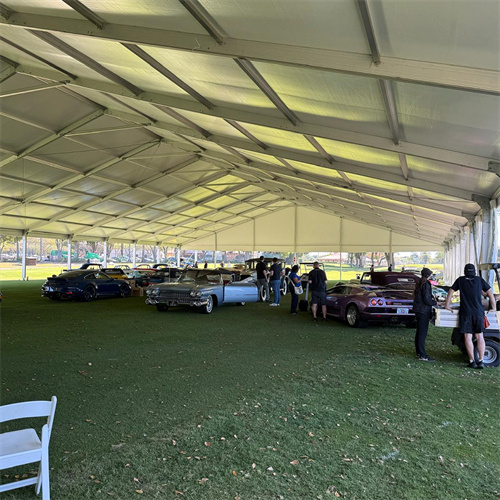 The Advantages of Exhibition Tents in Practical Applications
 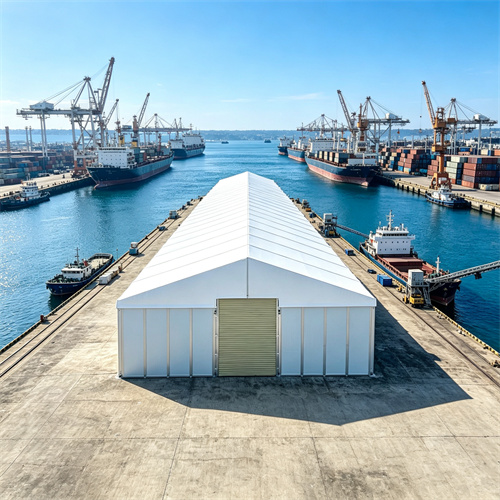 Key Differences Between Warehouse Tent and Traditional Warehouses
 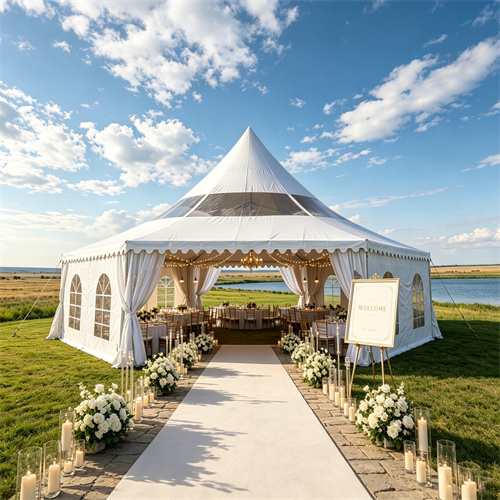 Core Differences Between Heavy‑Duty Marquee and Light Weight Marquee
 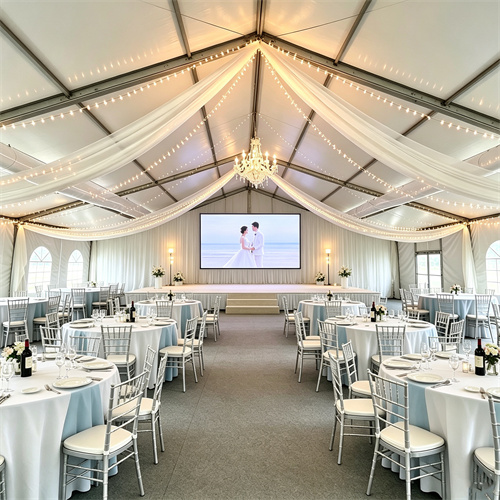 The Relationship Between Marquee Fabric Weight and Service Life
  Characteristics and Applications of 850g and 650g PVC Tent Fabric
 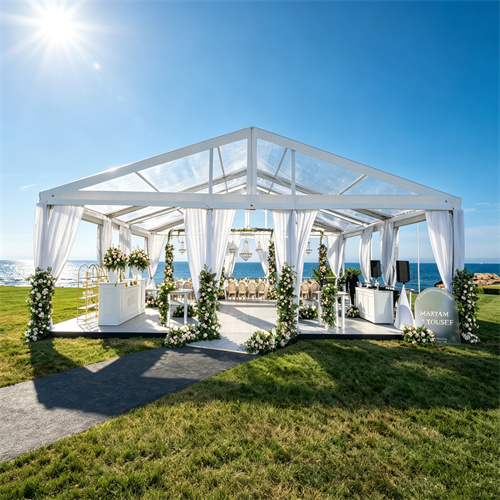 How to Keep Tent Cool and Sun-Safe in Summer?
 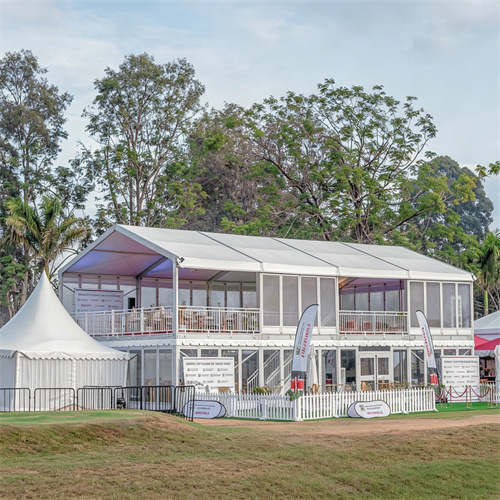 In Which Occasions Are Double-Decker Tents Suitable for Use?
 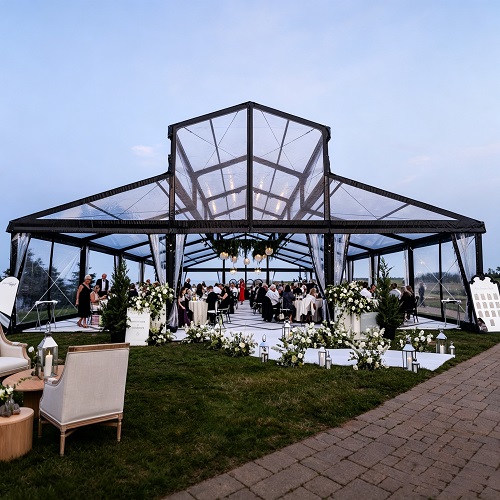 Guide to Marquee Tent Usage, Maintenance and Storage Under Various Weather Conditions
 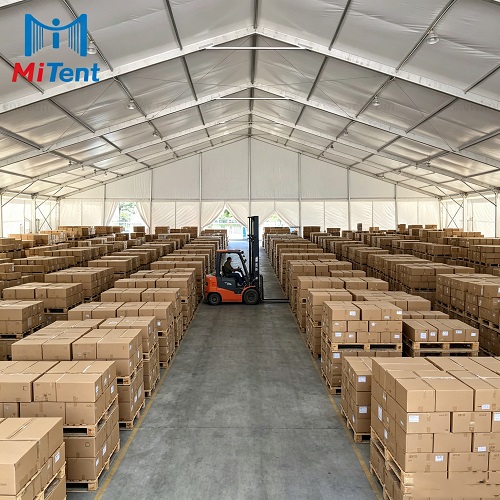 Features and Benefits of Warehouse Tents
  Features and Benefits of Full Transparent Tents
 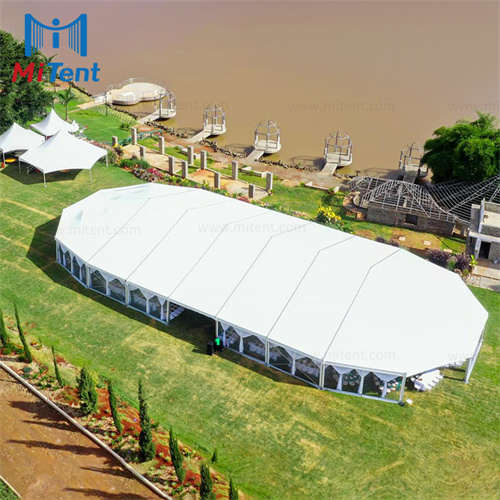 How Should the Outdoor Tent be Maintained in Windy Weather?
  How To Choose A High-Quality Party Tent Suitable for Your Events
 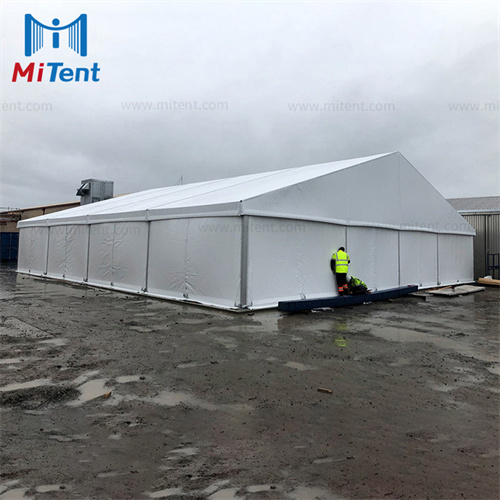 How to Remove Snow from a Tent in Heavy Snow Weather?
 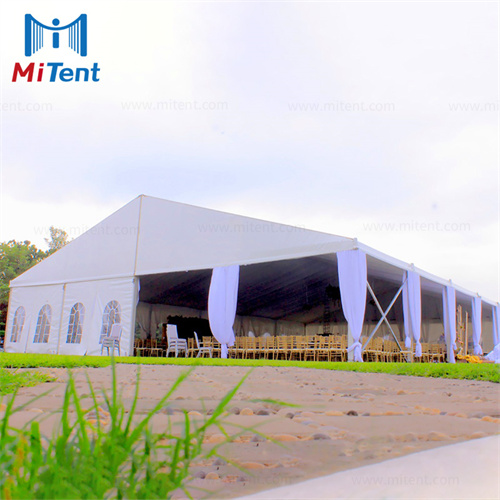 The Achievable Heights of Outdoor Marquees
  Decoration Techniques for Event Tents in Different Occasions
  Characteristics and Processing Differences between Transparent PVC and White PVC in Tent Products
  Advantages of Tents Made of Aluminum Alloy
  Key Investment Advantages of a Basketball Sports Tent
  The Double-Decker Tent: Elevating Event Spaces for Grand Occasions
  How to Choose a Warehouse Tent with Safety as the Top Priority