
The Achievable Heights of Outdoor Marquees
2026-06-11
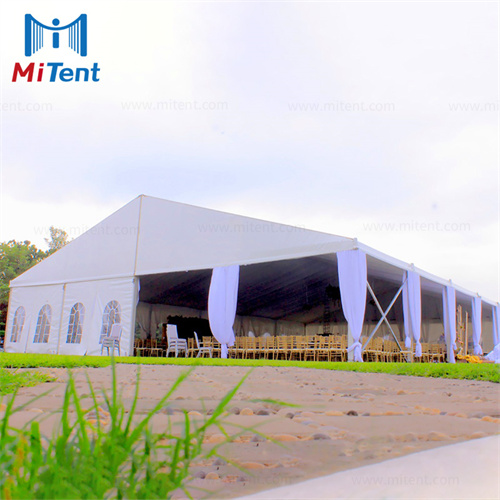
When planning an outdoor event, one of the most common questions regarding structure is: "How high can it go?" The answer is not one-size-fits-all. The achievable height of an outdoor tent varies dramatically based on its intended use, structural design, and engineering. From intimate garden shelters to massive industrial warehouses, the vertical clearance defines the functionality and presence of the space.
The "Standard" Heights: Comfort and Accessibility
For the average consumer, tents are designed for human comfort and ease of use. In the category of portable, freestanding pop-up gazebos (or pagoda tent)—perfect for garden parties or market stalls—heights are fairly standardized. These units typically feature an eave height (the side wall) of around 1.8 to 2.0 meters (approximately 6 feet), which allows an average adult to enter without ducking. The peak or ridge height at the center usually ranges from 2.5 to 2.75 meters (approximately 8.2 to 9 feet) . Some models offer adjustable leg extensions, allowing users to modify the height slightly to suit uneven ground or improve ventilation .
Engineered for Scale: The Commercial and Industrial Sector
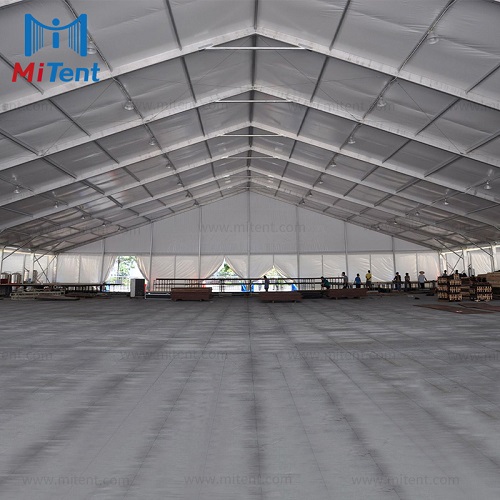
When we move beyond temporary consumer goods into the realm of engineered structure tents—often referred to as clear-span structures or marquees—the potential heights increase significantly. These tents, used for weddings, corporate events, and exhibitions, utilize robust aluminum frames and high-tensile PVC fabric.
For these structures, the design distinguishes between the "eave height" and the "ridge height."
- Eave Height: This is the height at the wall plate. For smaller spans (3-5 meters wide), a standard eave height is often 2.5 meters (8.2 feet) . However, for larger events requiring a grander feel or to accommodate stages and lighting rigs, eave heights can be customized to 4 or even 5 meters.
- Ridge Height: This is the highest point of the roof. The ridge height is dictated by the roof pitch and the span width. For a 6-meter wide structure with a 2.5-meter eave, the ridge might reach approximately 5.6 meters (18.4 feet). As the span increases, so does the peak. For a 10-meter span pagoda tent, the ridge height can climb accordingly .
Engineering and Safety: The Limits of Height
How high a tent can ultimately go is a matter of physics and engineering. Taller structures present a larger surface area to the wind, which increases the load on the frame and anchoring systems. Professional-grade tents are engineered to withstand specific wind speeds (some up to 100 km/h) and snow loads (up to 25kg/sqm). To safely achieve greater heights, engineers must specify:
1.Stronger Materials: Transitioning from steel to high-strength aluminum alloys (like 6061/T6) which offer a superior strength-to-weight ratio.
2.Reinforced Connections: Using hot-dip galvanized steel connectors to handle increased stress.
3.Robust Anchoring: Employing ballast, ground stakes, or even concrete foundations to hold the taller structure firmly in place .
Ultimately, the height of an outdoor tent is a flexible specification. While a simple garden tent peaks at around 2.5 meters, a custom-engineered event tent can easily see eave heights of 4 to 5 meters, with the ridge soaring much higher depending on the roof design. When considering a tall structure, it is vital to consult with manufacturers who can balance your aesthetic desire for height with the engineering requirements necessary to ensure safety and stability against the elements.
Mite tent is engaged in outdoor tent for many years in outdoor tent industrial area, welcome to contact with us for more information.
 The Advantages of Exhibition Tents in Practical Applications
  Key Differences Between Warehouse Tent and Traditional Warehouses
  Core Differences Between Heavy‑Duty Marquee and Light Weight Marquee
  The Relationship Between Marquee Fabric Weight and Service Life
  Characteristics and Applications of 850g and 650g PVC Tent Fabric
  How to Keep Tent Cool and Sun-Safe in Summer?
  In Which Occasions Are Double-Decker Tents Suitable for Use?
 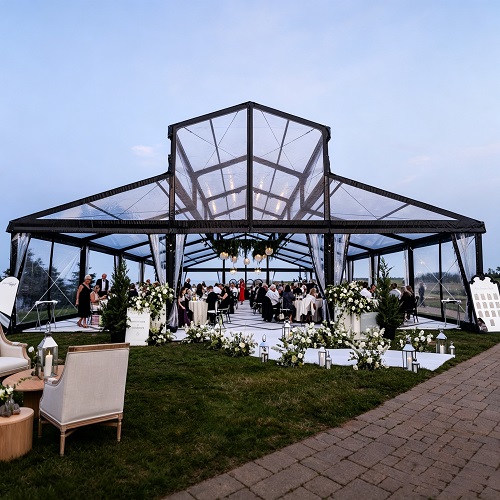 Guide to Marquee Tent Usage, Maintenance and Storage Under Various Weather Conditions
 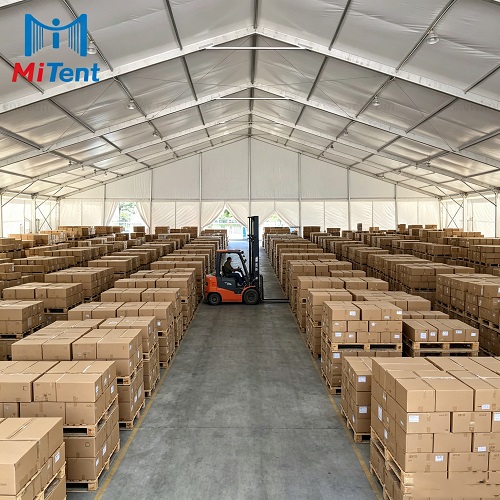 Features and Benefits of Warehouse Tents
  Features and Benefits of Full Transparent Tents
 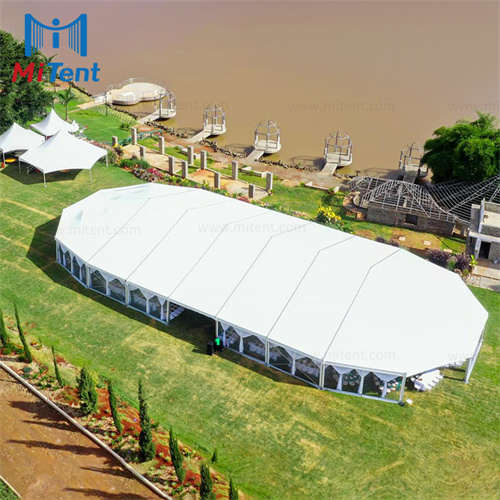 How Should the Outdoor Tent be Maintained in Windy Weather?
  How To Choose A High-Quality Party Tent Suitable for Your Events
 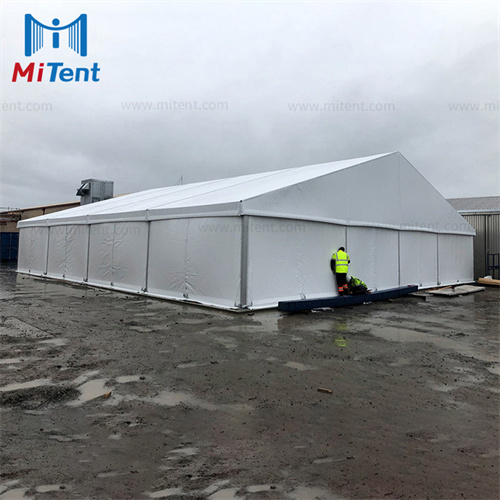 How to Remove Snow from a Tent in Heavy Snow Weather?
  Decoration Techniques for Event Tents in Different Occasions
  Precautions for Setting Up Outdoor Tents
  Characteristics and Processing Differences between Transparent PVC and White PVC in Tent Products
  Advantages of Tents Made of Aluminum Alloy
  Key Investment Advantages of a Basketball Sports Tent
  The Double-Decker Tent: Elevating Event Spaces for Grand Occasions
  How to Choose a Warehouse Tent with Safety as the Top Priority