
How to Remove Snow from a Tent in Heavy Snow Weather?
2026-06-19
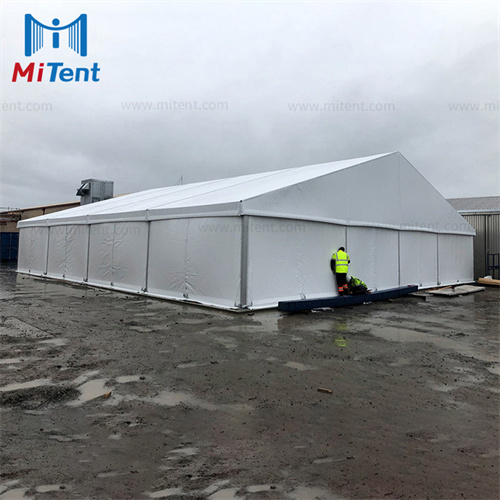
When winter storms hit, the accumulation of snow on temporary structures such as (marquees, party tents, or industrial shelters) poses a serious structural risk. Unlike permanent buildings, these structures often have flexible roofs and are not always designed to handle the immense weight of wet, heavy snow . "Active management is required to keep any snow loading to a minimum" . Allowing snow to pile up can lead to deformation, tearing, or complete collapse.
To protect your investment and ensure safety, here are the most effective strategies for snow removal, ranging from high-tech solutions to manual labor.
1. The "Hands-Off" Approach: Internal Heating
The most efficient way to deal with snowfall is to prevent accumulation before it starts. Heating the interior of the tent is highly recommended .
-How it works: By heating the structure to at least 12°C (approximately 54°F) or even up to 70°F (21°C), the PVC or fabric roof warms up . This causes the snow to melt as soon as it lands, allowing the water to slide off the sloped surfaces.
- Pros: This is the easiest method, as it requires the least physical labor and is continuous.
- Cons: It requires a significant energy source. Ensure your propane tanks or power supply are at least 50% full before the storm hits to avoid running out mid-blizzard .
2. Manual Removal: Brushes and Rakes
If heating isn't an option, or if the snowfall outpaces the melting, physical removal is necessary. However, caution is paramount to avoid damaging the fabric and to prevent personal injury.
- Use the Right Tools: Never use sharp metal shovels. Instead, use soft brooms, brushes, or plastic snow rakes with rollers to prevent puncturing the roof material .
- Technique: You can remove snow from the outside by brushing it off, or carefully push the roof fabric from the inside to dislodge the buildup .
- The Rope Trick: For high-peaked structures, a simple yet effective method is to throw a rope over the structure. By standing in a safe zone and pulling the rope back and forth across the roof, you can saw through the snow layer and loosen it, causing it to fall .
3. Understanding the Weight of Snow
Before you rush onto a roof or under a structure, it is vital to understand the danger of "live loads."
- Weight Variation: All snow is not created equal. While a foot of light, powdery snow may only weigh a few pounds per square foot, wet, packed snow can weigh nearly ten times as much . A single inch of ice can weigh a staggering 5 pounds per square foot .
- Drifts: Pay attention to uneven distribution. Wind can create heavy drifts on one side of the outdoor tent, creating a concentrated "live load" that can collapse a ridgeline even if the rest of the roof is clear .
4. Safety Protocols: Avoiding Hazards
Snow removal is dangerous work. According to safety guidelines, you must assess the area thoroughly before starting.
- Inspect for Hazards: Before clearing snow, check for hidden dangers such as ice layers, skylights, or structural weaknesses that may have already occurred. Be aware of any overhead electrical lines.
- Clear the Landing Zone: Before pushing snow off the roof, ensure the area where it will land is completely free of people, equipment, and obstructions .
- Ladder Safety: If operating from ladders, ensure they are stable on the icy ground. If the pitch is too steep or the height too great, this job should be left to professionals with harnesses .
5. When to Call for Backup
If the snow has accumulated heavily, or if the structure is very large, have a qualified professional confirm the surface can support weight before anyone climbs on it .
- Ice Dam Prevention: As you clear snow, be careful not to leave footprints of packed snow on the roof. These compacted areas can refreeze into "ice dams," which trap water and create even more weight .
Summary Checklist for Snow Events
1.Pre-Storm: Check weather forecasts. Top up fuel for heaters. Inspect the structure for any existing weaknesses.
2.During Snowfall: If possible, activate heating systems. If not, prepare for 24/7 monitoring and brushing shifts .
3.During Removal: Use soft tools (brooms/plastic rakes). Keep people away from the snow fall zone. Never use hands to clear jammed equipment .
4.Post-Storm: Inspect the structure for damage, stretching, or water pooling before resuming normal use.
By taking these proactive steps, you can ensure your outdoor tent remains standing and safe throughout the winter season
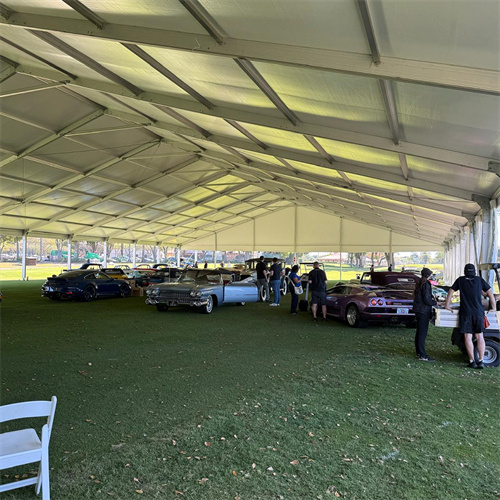 The Advantages of Exhibition Tents in Practical Applications
 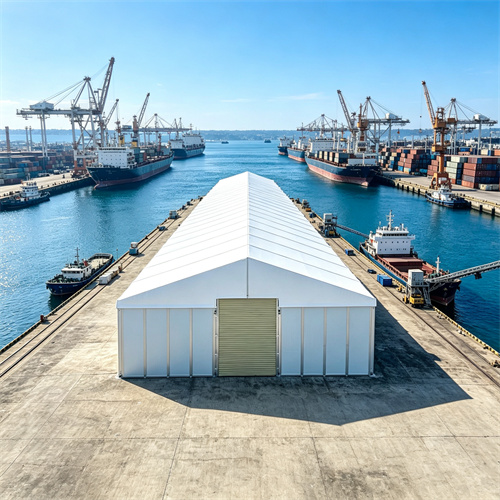 Key Differences Between Warehouse Tent and Traditional Warehouses
  Core Differences Between Heavy‑Duty Marquee and Light Weight Marquee
  The Relationship Between Marquee Fabric Weight and Service Life
  Characteristics and Applications of 850g and 650g PVC Tent Fabric
  How to Keep Tent Cool and Sun-Safe in Summer?
  In Which Occasions Are Double-Decker Tents Suitable for Use?
  Guide to Marquee Tent Usage, Maintenance and Storage Under Various Weather Conditions
  Features and Benefits of Warehouse Tents
  Features and Benefits of Full Transparent Tents
  How Should the Outdoor Tent be Maintained in Windy Weather?
  How To Choose A High-Quality Party Tent Suitable for Your Events
 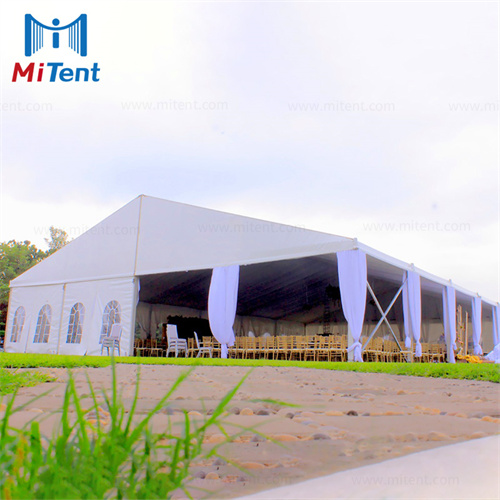 The Achievable Heights of Outdoor Marquees
  Decoration Techniques for Event Tents in Different Occasions
  Precautions for Setting Up Outdoor Tents
  Characteristics and Processing Differences between Transparent PVC and White PVC in Tent Products
  Advantages of Tents Made of Aluminum Alloy
  Key Investment Advantages of a Basketball Sports Tent
  The Double-Decker Tent: Elevating Event Spaces for Grand Occasions
  How to Choose a Warehouse Tent with Safety as the Top Priority