
Key Differences Between Warehouse Tent and Traditional Warehouses
2026-10-09
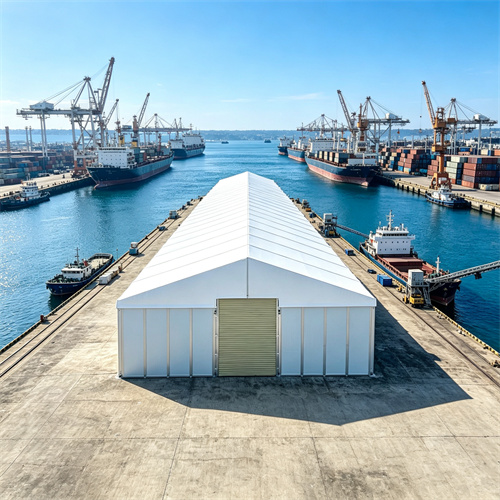
In the modern logistics and storage industry, businesses face diverse storage needs—from short-term inventory surges to remote project supply chain support—leading to the growing popularity of warehouse tent as a flexible alternative to traditional brick-and-mortar facilities. While both serve the core purpose of storing goods, they differ drastically in construction, flexibility, cost structure, functionality, and long-term applicability. Understanding these distinctions is critical for businesses to select the most suitable storage solution aligned with their operational scale and strategic goals.
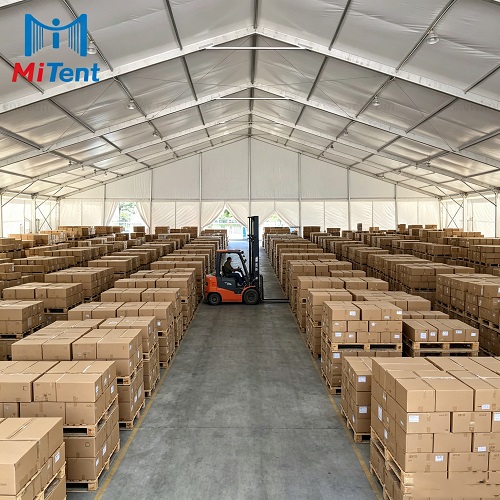
The most fundamental difference lies in construction speed and structural nature. Traditional warehouses are permanent, fixed structures built with concrete, steel, and masonry, requiring rigorous architectural planning, building permits, and months (or even years) of construction. Their fixed foundations and load-bearing walls make them immovable and unmodifiable once completed. In contrast, warehouse tent are temporary or semi-permanent steel-frame structures with fabric or modular panel roofs and sidewalls. They are prefabricated, meaning components are manufactured off-site and assembled on-location in days or weeks—no complex foundation work is needed (gravel or concrete slabs suffice for most models). This prefabricated design also allows warehouse tent to be fully disassembled, relocated, or expanded, offering unmatched mobility that traditional warehouses cannot provide.
Cost efficiency is another defining contrast, especially for short-term or variable storage needs. Traditional warehouses involve substantial upfront capital investment, including land purchase, construction costs, and permanent utility installations. They also incur ongoing long-term expenses such as property taxes, regular structural maintenance, and fixed utility bills. warehouse tent, by comparison, have a significantly lower initial cost—businesses can choose to purchase or lease the structures, with leasing options eliminating large upfront expenditures entirely. Maintenance costs are minimal (focused on fabric cleaning and steel frame rust prevention), and utilities can be installed temporarily, scaling with actual usage. For seasonal businesses or those facing temporary inventory overflows, warehouse tent avoid the financial burden of investing in a permanent space that may be underutilized for most of the year.
Functional flexibility and adaptability further set the two apart. Traditional warehouses have fixed internal layouts, with permanent walls, fixed column spacing, and predetermined ceiling heights that limit storage configuration. They are designed for long-term, standardized storage and are difficult to reconfigure for oversized goods or unique operational needs.
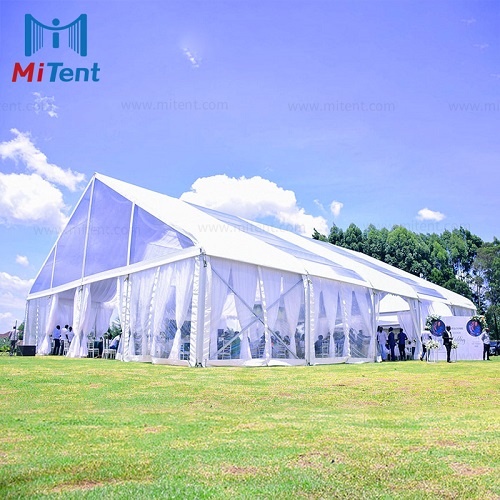
warehouse tent, however, feature a clear-span steel frame design that eliminates internal support columns, creating vast, open, unobstructed space. Ceiling heights can range from 5 to 20 meters, accommodating tall racking systems, heavy machinery, or oversized cargo like construction materials or industrial equipment. Sidewalls can be partially or fully removed, and modular extensions allow businesses to adjust the storage area as their needs grow or shrink—an agility that traditional warehouses lack.
Regulatory compliance and environmental adaptability also differ significantly. Traditional warehouses must meet strict building codes, fire safety regulations, and zoning laws for permanent structures, which vary by region and can delay project timelines. warehouse tent, as temporary structures, are subject to simplified permitting processes in most areas, with regulations focused on temporary safety standards. Environmentally, traditional warehouses are fixed to specific locations, making them unsuitable for remote construction sites, disaster relief operations, or pop-up supply chain hubs. warehouse tent, however, can be deployed in remote areas, rural sites, or even on existing industrial lots, withstanding various weather conditions when equipped with reinforced fabrics and wind-resistant frames.
In conclusion, traditional warehouses excel in long-term, stable, and high-security storage scenarios, ideal for businesses with permanent inventory and fixed operational bases. warehouse tent, meanwhile, are the optimal choice for short-term needs, seasonal fluctuations, remote operations, or businesses seeking cost-effective, scalable storage solutions. By weighing factors like timeline, budget, storage flexibility, and location requirements, businesses can make informed decisions to optimize their supply chain and storage operations.
 Core Differences Between Heavy‑Duty Marquee and Light Weight Marquee
  The Relationship Between Marquee Fabric Weight and Service Life
  Characteristics and Applications of 850g and 650g PVC Tent Fabric
  How to Keep Tent Cool and Sun-Safe in Summer?
  In Which Occasions Are Double-Decker Tents Suitable for Use?
  Guide to Marquee Tent Usage, Maintenance and Storage Under Various Weather Conditions
  Features and Benefits of Warehouse Tents
  Features and Benefits of Full Transparent Tents
  How Should the Outdoor Tent be Maintained in Windy Weather?
  How To Choose A High-Quality Party Tent Suitable for Your Events
  How to Remove Snow from a Tent in Heavy Snow Weather?
  The Achievable Heights of Outdoor Marquees
  Decoration Techniques for Event Tents in Different Occasions
  Precautions for Setting Up Outdoor Tents
  Characteristics and Processing Differences between Transparent PVC and White PVC in Tent Products
  Advantages of Tents Made of Aluminum Alloy
  Key Investment Advantages of a Basketball Sports Tent
  The Double-Decker Tent: Elevating Event Spaces for Grand Occasions
  How to Choose a Warehouse Tent with Safety as the Top Priority
  The Use Site and Specific Purpose of PVC Aluminum Alloy Tents