
Securing Success: A Guide to Tents Anchoring Methods and Their Advantages
2026-02-04
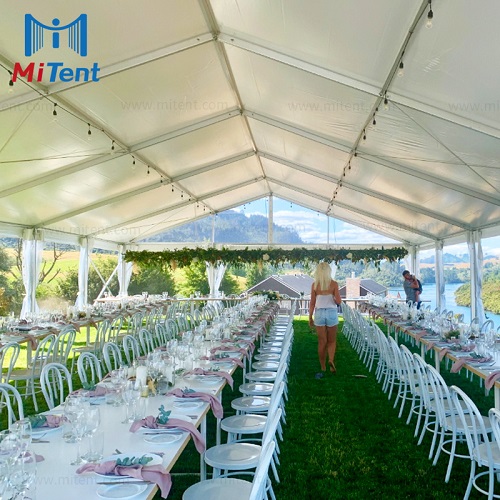
The integrity and safety of any marquee tents structure depend entirely on its foundation—not one of concrete, but of specialized anchoring systems. The method of fixation is not a one-size-fits-all solution; it is carefully chosen based on ground conditions, weather expectations, and the duration of use. Understanding these methods is key to ensuring a secure and stable installation.
1.Ground Screw Anchors: The Ultimate Semi-Permanent Solution
Ground screws are a revolutionary method that has become the industry standard for mid to long-term installations.
How They Work: These are large, steel screws that are mechanically drilled deep into the ground, much like a giant screw into wood. A mounting plate attached to the top of the screw then connects directly to the marquee's frame.
Key Advantages:
Exceptional Stability: They provide immense vertical (downward) and lateral (sideways) resistance, making the marquee highly resilient to strong winds and heavy loads.
Minimal Ground Damage: Unlike concrete, they cause very little permanent damage to the landscape. Upon removal, the ground can be easily restored.
Quick and Versatile: They can be installed on almost any terrain, including grass, soil, and gravel, and are not dependent on weather conditions for curing, unlike concrete.
2.Weighted Ballast Systems: The Non-Invasive Approach
Ballast systems are the preferred choice when penetrating the ground surface is not permitted or desired. This is common for events in city squares, parking lots, indoor arenas, or on sensitive heritage grounds.
How They Work: Instead of anchoring into the ground, stability is achieved through pure weight. Concrete blocks, steel weights, or water-filled ballast tanks are positioned around the marquee's base. The weight counteracts uplift forces from wind.
Key Advantages:
Zero Ground Penetration: This is its primary benefit. It leaves the underlying surface completely untouched and is often the only method allowed by certain venues.
Rapid Deployment and Removal: Weights can be placed and removed quickly, speeding up the entire installation and derigging process.
Highly Flexible: The amount of ballast can be precisely calculated and adjusted based on the marquee's size and local wind load requirements.
3.Concrete Foundations: For Maximum Permanence
While tents are inherently temporary, they can be deployed for very long-term projects (several years). In such cases, a permanent concrete foundation may be used.
How They Work: A solid concrete base is poured, with embedded anchor points (like cast-in sockets or bolts) that the marquee frame is then bolted onto.
Key Advantages:
Unmatched Strength: This creates the most rigid and durable connection possible, suitable for the most extreme weather conditions and multi-year projects.
Creates a Solid Floor: The concrete slab itself becomes the permanent floor of the structure, ready for any interior finish.
Absolute Peace of Mind: For structures intended to stand for a long time, this method provides the highest level of security and is often required by building codes for permanent classifications.
4.Rebar Pin and Stake Anchors: The Classic for Soft Ground
This is the most traditional and common method for short-term events on soft ground like grass or soil.
How They Work: Long, angled steel stakes or rebar pins are driven deep into the ground at an angle. The marquee's leg is then secured to the top of the stake using a pin or strap.
Key Advantages:
Cost-Effective and Simple: The materials are inexpensive and the installation process is quick and straightforward.
Highly Effective for Standard Conditions: On grass fields for weekend events, this method provides more than enough stability for normal weather.
Conclusion: The Right Anchor for the Right Project
The choice of anchoring system is a critical safety and planning decision. A summer wedding on a lawn may be perfectly served by steel stakes, while a six-month winter retail pop-up on a city square would require a ballast system. A construction site cover lasting two years would benefit from the stability of ground screws. By matching the anchoring method to the project's specific demands, tents demonstrate their incredible versatility, providing safe and reliable spaces anywhere, on any surface.
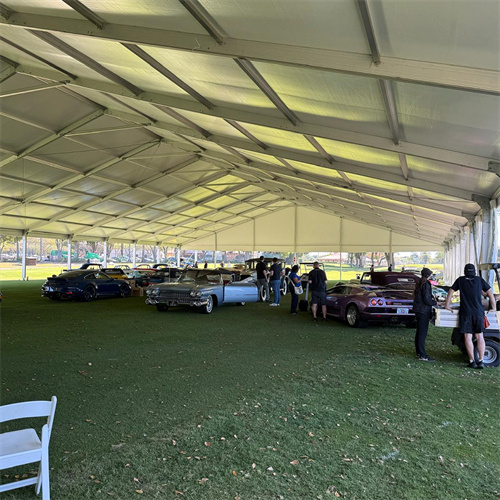 The Advantages of Exhibition Tents in Practical Applications
 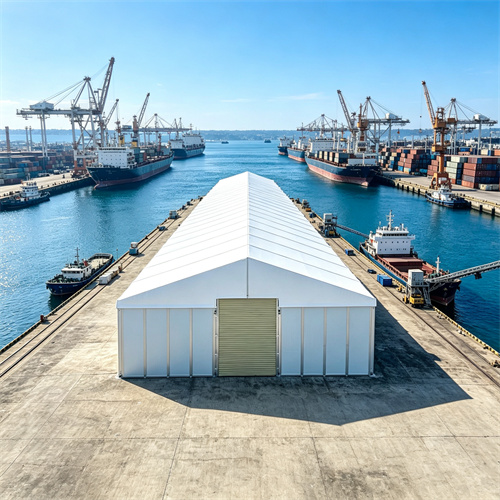 Key Differences Between Warehouse Tent and Traditional Warehouses
  Core Differences Between Heavy‑Duty Marquee and Light Weight Marquee
 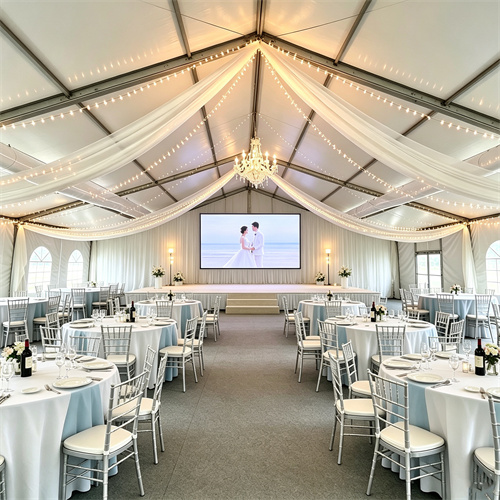 The Relationship Between Marquee Fabric Weight and Service Life
 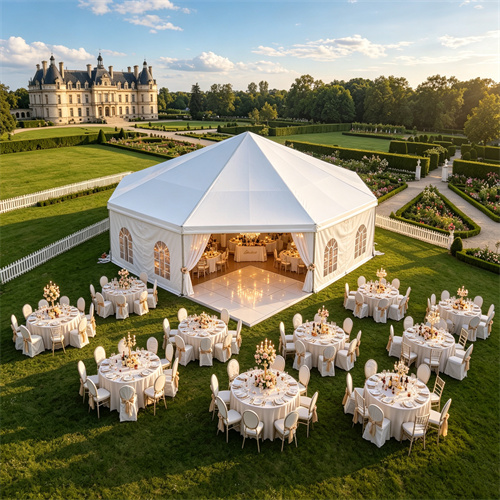 Characteristics and Applications of 850g and 650g PVC Tent Fabric
 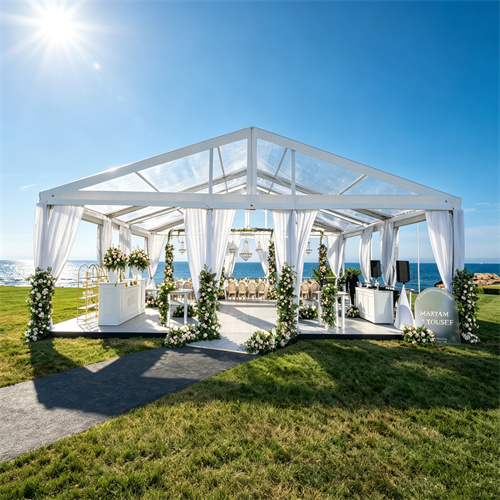 How to Keep Tent Cool and Sun-Safe in Summer?
 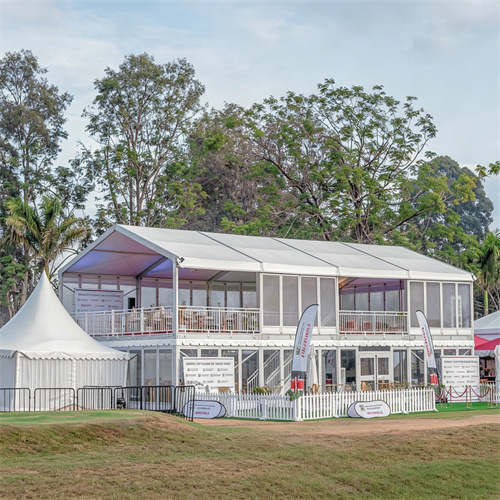 In Which Occasions Are Double-Decker Tents Suitable for Use?
  Guide to Marquee Tent Usage, Maintenance and Storage Under Various Weather Conditions
  Features and Benefits of Warehouse Tents
  Features and Benefits of Full Transparent Tents
  How Should the Outdoor Tent be Maintained in Windy Weather?
  How To Choose A High-Quality Party Tent Suitable for Your Events
  How to Remove Snow from a Tent in Heavy Snow Weather?
 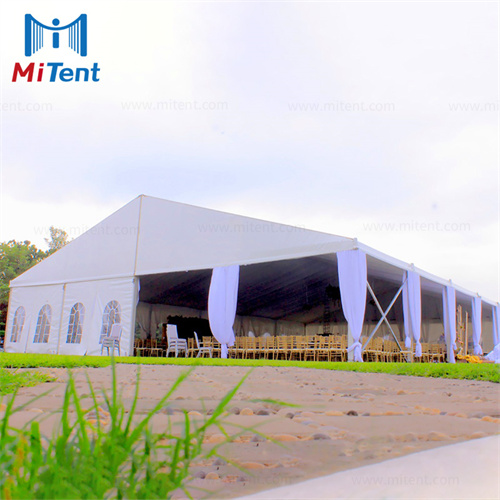 The Achievable Heights of Outdoor Marquees
 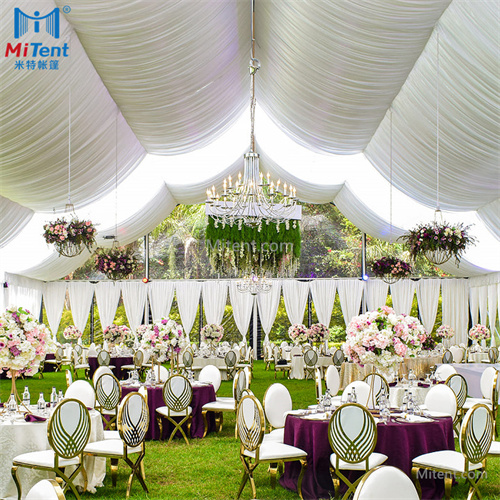 Decoration Techniques for Event Tents in Different Occasions
 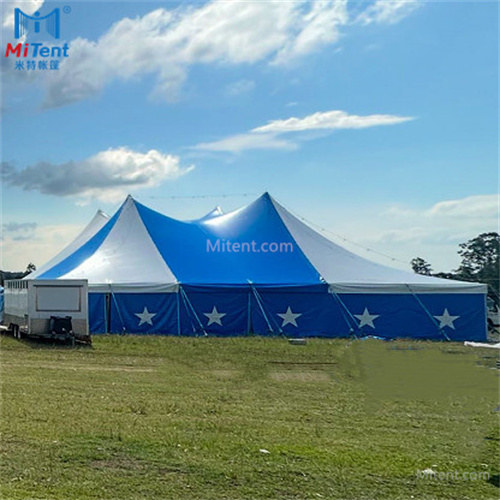 Precautions for Setting Up Outdoor Tents
 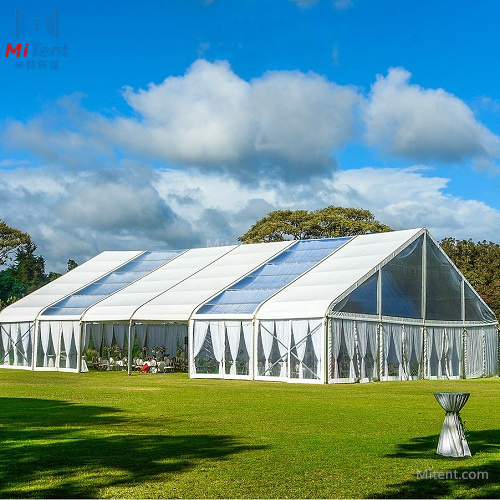 Characteristics and Processing Differences between Transparent PVC and White PVC in Tent Products
  Advantages of Tents Made of Aluminum Alloy
  Key Investment Advantages of a Basketball Sports Tent
  The Double-Decker Tent: Elevating Event Spaces for Grand Occasions