
Can Basketball Marquee Structures Operate Without Side Walls?
2025-10-06
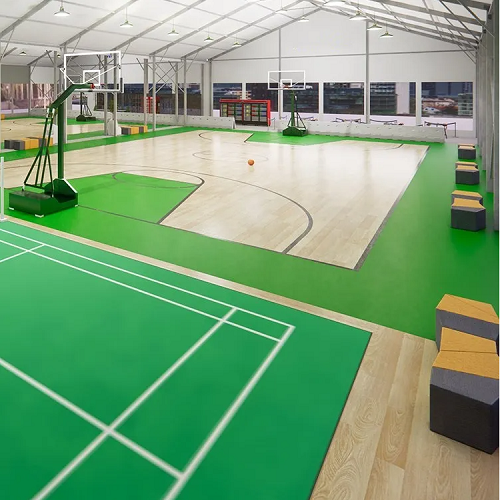
Basketball marquees (also called basketball tents, sports tents or temporary gym structures) can indeed function without installed side walls or perimeter enclosures. This open configuration offers several advantages but also presents unique challenges that require careful planning. The decision to omit side walls depends on climate conditions, intended use, safety requirements, and budget considerations.
Advantages of Wall-less Basketball Marquees
1.Enhanced Natural Ventilation
- Eliminates heat buildup during intense gameplay
- Reduces condensation issues common in enclosed structures
- Provides continuous fresh air circulation for athletes
2.Cost Efficiency
- Saves 15-25% on material costs by eliminating wall fabrics
- Reduces installation time and labor requirements
- Lowers maintenance costs (no wall cleaning or replacement)
3.Multi-Purpose Flexibility
- Easier conversion to other sports (volleyball, badminton)
- Seamless integration with outdoor spaces for events
- Better spectator visibility from surrounding areas
4.Aesthetic Appeal
- Creates an open, airy sports environment
- Maintains connection with outdoor surroundings
- Allows for creative lighting designs using the framework
Primary Challenges and Solutions
1.Wind Protection
Problem: Without walls, wind can affect ball trajectory and player comfort.
Solutions:
- Install windbreak netting (50-70% porosity) at strategic heights
- Use retractable mesh screens for sudden wind changes
- Orient the structure perpendicular to prevailing winds
- Incorporate landscape barriers (hedges, fences) 10-15m from the structure
2.Weather Protection
Problem: Rain and sun exposure can make playing conditions uncomfortable.
Solutions:
- Extend roof overhang by 2-3 meters on all sides
- Install gutter systems with 5° minimum slope for water runoff
- Use UV-resistant roof materials (UPF 50+ rating)
- Provide shaded player benches with 80% UV blockage
3.Ball Containment
Problem: Increased ball loss without containment walls.
Solutions:
- Install 4m high perimeter netting (knotted polyethylene, 40mm mesh)
- Create 3m deep "ball stop zones" with loose netting behind baskets
- Use weighted netting bases (20kg/m) that stay upright during play
- Implement ball tracking systems with RFID tags for organized games
4.Lighting Control
Problem: Daylight variability affects visibility without wall reflectors.
Solutions:
- Install directional LED sports lighting (minimum 500 lux for training)
- Use blackout roof panels above spectator areas to reduce glare
- Implement adaptive lighting systems that adjust to natural light levels
- Position light fixtures to minimize shadows on the court
Structural Modifications for Wall-less Designs
1.Framework Reinforcement
- Increase base plate sizes by 20% for added stability
- Add diagonal bracing at 45° angles to all vertical supports
- Use heavier gauge steel (minimum 150x150mm for main columns)
- Implement ground anchoring systems (helical piles for permanent installations)
2.Roof System Enhancements
- Choose tensioned membrane roofs with 5-10% pre-stress
- Install secondary drainage systems for heavy rainfall
- Use translucent panels (30-50% light transmission) for natural lighting
- Incorporate snow load reinforcement in cold climates (minimum 1.5 kN/m² capacity)
3.Player Experience Features
- Install acoustic panels above court areas to reduce echo
- Create micro-climate zones with misting fans for hot conditions
- Implement shock-absorbent flooring extending 3m beyond court boundaries
- Add visual wind indicators at player eye level
Climate-Specific Considerations
1.Tropical Environments
- Install 360° rain curtains on quick-release systems
- Use insect screening that maintains 70%+ airflow
- Position structures to maximize natural breeze capture
- Incorporate algae-resistant roof coatings
2.Temperate Zones
- Provide movable radiant heaters for early/late season use
- Install frost-resistant flooring materials
- Design for easy seasonal conversion to enclosed configuration
- Use thermal mass materials in foundations
3.Arid Regions
- Install evaporative cooling systems in player areas
- Use solar-reflective roof materials (SRI > 78)
- Incorporate dust suppression systems in surrounding areas
- Provide hydration stations every 10 linear meters
Safety and Regulatory Compliance
1.Player Protection
- Install padded columns with 50mm thick impact-absorbing material
- Maintain minimum 3m clear zones around all playing surfaces
- Use breakaway netting systems for high-impact areas
- Implement emergency access routes at 90° to court orientation
2.Spectator Considerations
- Create defined viewing zones with non-slip surfaces
- Install 2.4m high protective netting behind backboards
- Provide shaded seating areas with 400 lux minimum illumination
- Implement clear wayfinding signage for open structures
3.Regulatory Requirements
- Meet local wind load standards (typically 0.7 kN/m² minimum)
- Comply with sports facility accessibility guidelines
- Ensure fire safety compliance for any installed electrical systems
- Maintain structural certifications for public assembly spaces
Conversion and Flexibility Options
1.Hybrid Wall Systems
- Install tracks for removable wall panels (5-10 minute conversion)
- Use magnetic attachment systems for temporary enclosures
- Implement zippered mesh panels for partial enclosure
2.Seasonal Adaptations
- Summer configuration: Full open with sun shades
- Shoulder seasons: Partial mesh enclosures
- Winter use: Temporary insulated wall systems
3.Multi-Sport Configuration
- Adjustable netting heights (3-6m range)
- Swivel-mounted basketball backstops
- Modular floor markings for different sports
Maintenance Requirements for Open Structures
1.Weekly Checks
- Inspect all netting for wear or sagging
- Verify anchor point integrity
- Clear debris from drainage systems
- Test all safety padding
2.Monthly Maintenance
- Lubricate moving parts (hoist systems, etc.)
- Check lighting alignment
- Inspect roof membrane tension
- Verify emergency access clearance
3.Annual Overhauls
- Structural integrity certification
- Netting replacement (if >15% wear)
- Surface refinishing
- Electrical system inspection
Cost Comparison: Wall-less vs. Enclosed
| Feature | Wall-less Savings | Additional Costs |
| Initial Construction | 20-30% | +5-10% for enhanced framework |
| HVAC Systems | 100% savings | +15% for specialized lighting |
| Maintenance | 40% lower | +10% for netting replacement |
| Utilities | 60% savings | - |
| Conversion Flexibility | N/A | +5% for hybrid systems |
Basketball marquees can successfully operate without permanent side walls when proper design adaptations are implemented. The optimal solution often involves creating a flexible system that combines the benefits of open-air play with the option for partial enclosure when needed. Key success factors include robust structural engineering, thoughtful player protection systems, and climate-appropriate features that maintain playability regardless of weather conditions. Many professional teams now prefer this hybrid approach, using open configurations for training and temporary enclosures for competitive events, achieving the best balance between natural environment connection and controlled playing conditions.
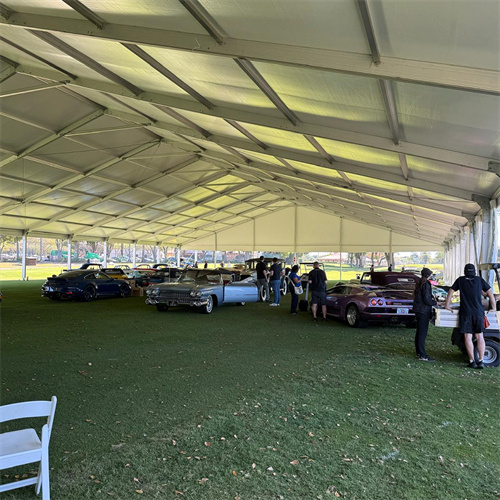 The Advantages of Exhibition Tents in Practical Applications
 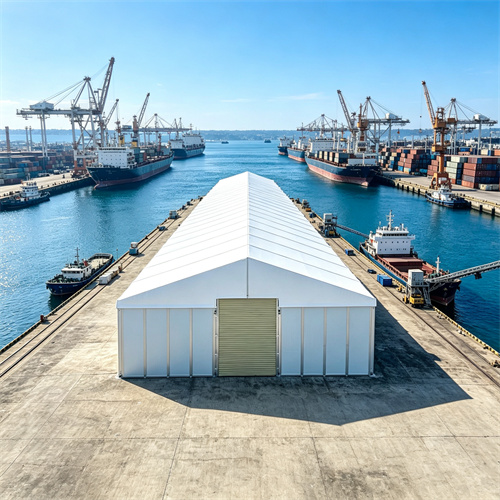 Key Differences Between Warehouse Tent and Traditional Warehouses
 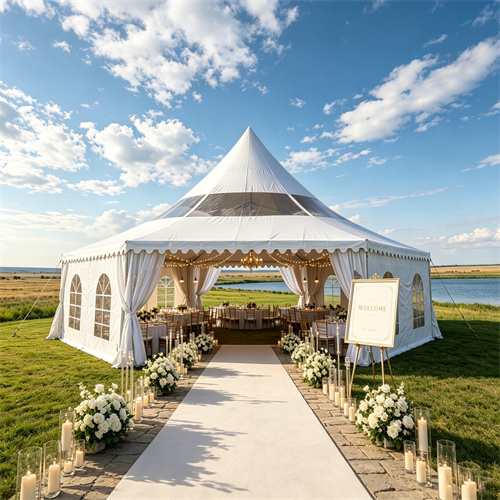 Core Differences Between Heavy‑Duty Marquee and Light Weight Marquee
 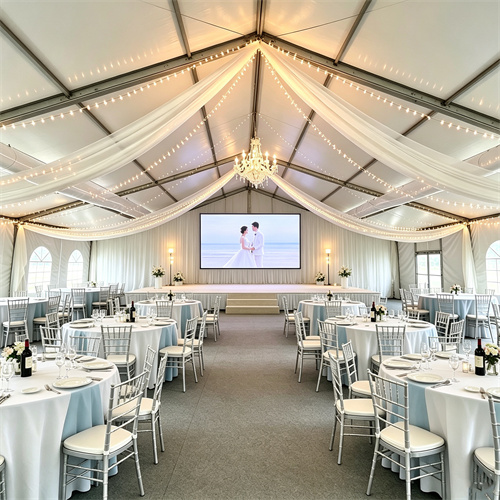 The Relationship Between Marquee Fabric Weight and Service Life
 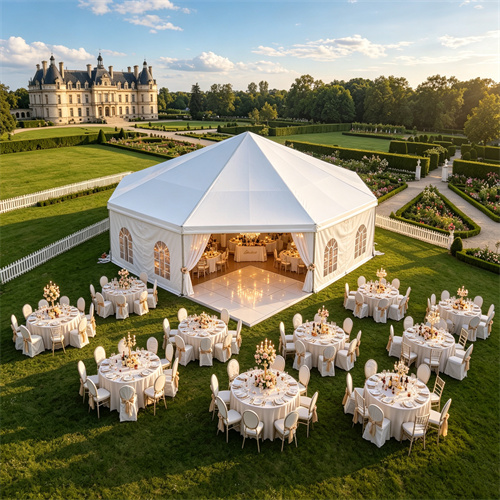 Characteristics and Applications of 850g and 650g PVC Tent Fabric
 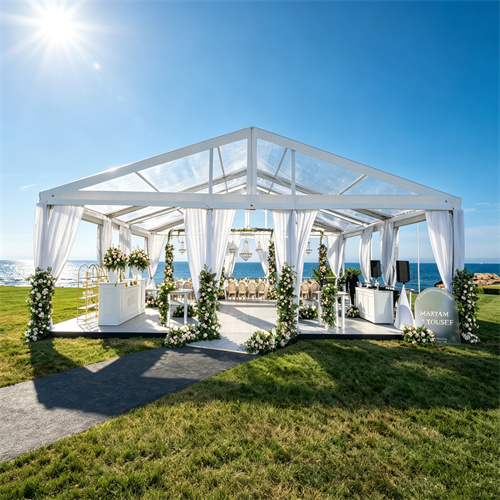 How to Keep Tent Cool and Sun-Safe in Summer?
 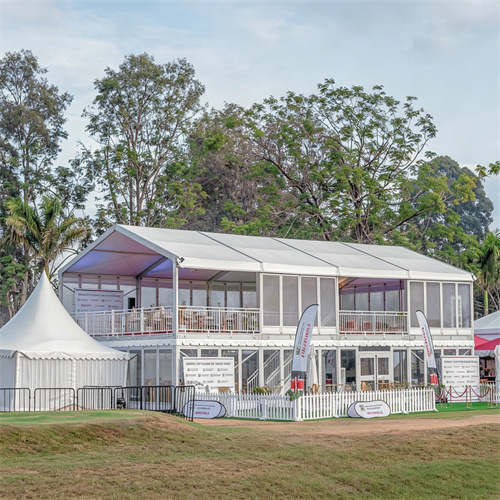 In Which Occasions Are Double-Decker Tents Suitable for Use?
  Guide to Marquee Tent Usage, Maintenance and Storage Under Various Weather Conditions
  Features and Benefits of Warehouse Tents
  Features and Benefits of Full Transparent Tents
  How Should the Outdoor Tent be Maintained in Windy Weather?
  How To Choose A High-Quality Party Tent Suitable for Your Events
  How to Remove Snow from a Tent in Heavy Snow Weather?
  The Achievable Heights of Outdoor Marquees
  Decoration Techniques for Event Tents in Different Occasions
  Precautions for Setting Up Outdoor Tents
  Characteristics and Processing Differences between Transparent PVC and White PVC in Tent Products
  Advantages of Tents Made of Aluminum Alloy
  Key Investment Advantages of a Basketball Sports Tent
  The Double-Decker Tent: Elevating Event Spaces for Grand Occasions