
How Modular Marquees Are Adapted for Winter and Cold Weather ?
2026-02-19

As winter approaches, the idea of using a modular marquee for events or business operations might seem challenging. However, modern modular marquees are far from basic tents. Through innovative materials and integrated systems, they can be transformed into warm, energy-efficient, and comfortable spaces even in freezing conditions. The process of winter-proofing a marquee is a multi-layered approach, addressing insulation, heating, and structural integrity.
The First Line of Defense: Advanced Cladding and Insulation
The primary step in combating the cold is creating a thermal barrier. This is achieved through the strategic use of cladding and insulation materials.
Standard single-layer PVC roofs and walls offer minimal insulation. For winter use, the most effective solution is a double-skinned or insulated liner system. This involves creating an air gap between an outer roof (often made of durable, waterproof PVC) and an inner lining or a second internal skin. This trapped air layer acts as a powerful insulator, significantly reducing heat loss—a principle similar to double-glazed windows.
For even greater performance, insulated composite panels can be used for walls. These solid panels, often with a foam core sandwiched between two layers of material, provide an excellent thermal barrier, bringing the marquee's insulation values close to those of a permanent building. Furthermore, thermal liners made from non-absorbent glass wool or foam-backed fabrics can be hung beneath the roof structure, preventing radiant heat loss and mitigating condensation, a common issue in temperature-controlled environments.
Engineering a Controlled Climate: Intelligent Heating Systems
Once the structure is insulated, the next step is implementing an efficient and safe heating solution. The choice of heater depends on the marquee's size and intended use.
For larger spaces, indirect air heaters are the gold standard. These powerful units burn fuel in a sealed chamber and use a heat exchanger to warm clean air, which is then blown into the space through ducts. This process ensures no harmful combustion fumes (like carbon monoxide) enter the occupied area, making them perfectly safe for prolonged human occupancy. They are highly effective for maintaining a consistent temperature in a well-insulated marquee.
For smaller areas or as a supplementary heat source, electric fan heaters or oil-filled radiators are viable options. They are clean and quiet but require a sufficient power supply. It is crucial that all heating systems, especially gas-powered ones, are installed and operated by professionals with adequate ventilation and carbon monoxide detectors to ensure absolute safety.
Sealing the Gaps: Flooring and Draft Prevention
A significant amount of cold enters from the ground. A simple groundsheet is not enough for winter. Installing a modular, insulated sub-floor creates a stable, flat surface and prevents moisture and cold from seeping up from the earth. This not only dramatically improves thermal comfort but also enhances the overall feel and quality of the space.
Additionally, all entry points must be managed. Using double-door systems or revolving doors at main entrances creates an airlock, minimizing heat loss when people enter or exit. Sealing gaps around doors, walls, and where different structural elements meet with draft excluders is a simple yet critical step in creating a sealed environment.
Conclusion: A Viable Four-Season Solution
The notion that marquees are only for summer is outdated. Through a combination of double-skinned insulation, professional-grade heating systems, and insulated flooring, a modular marquee can be transformed into a warm, welcoming, and fully functional space throughout the winter months. This adaptability makes them an incredibly cost-effective and flexible alternative to permanent construction for winter events, seasonal retail pop-ups, or temporary industrial workspace, proving that with the right preparations, you don't need brick-and-mortar walls to keep the cold at bay.
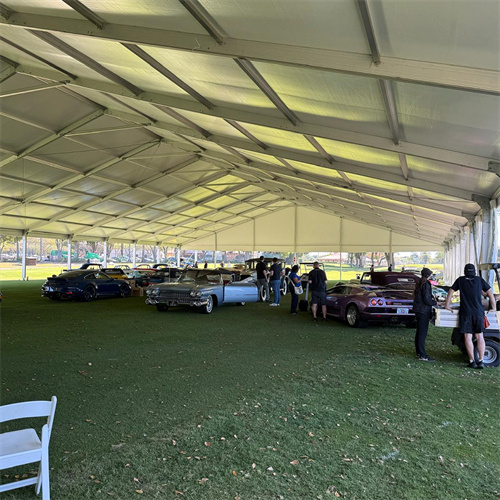 The Advantages of Exhibition Tents in Practical Applications
 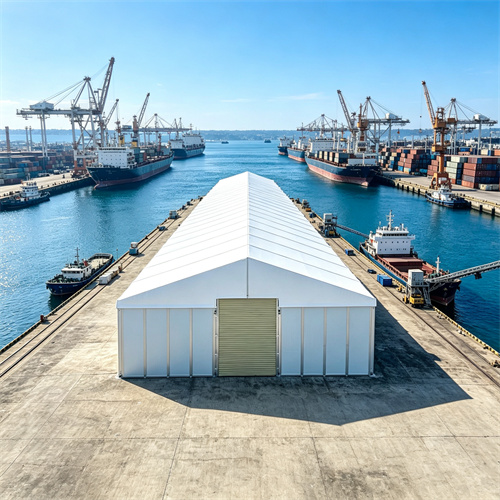 Key Differences Between Warehouse Tent and Traditional Warehouses
 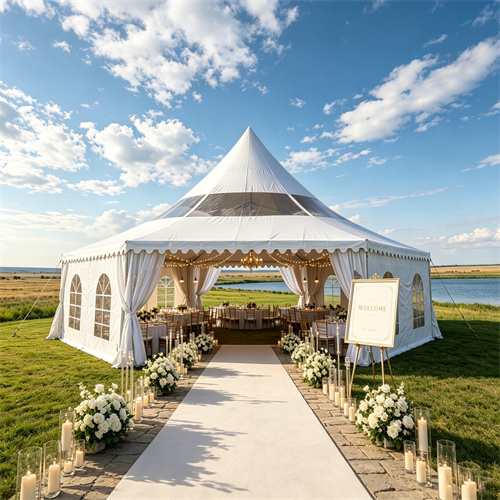 Core Differences Between Heavy‑Duty Marquee and Light Weight Marquee
 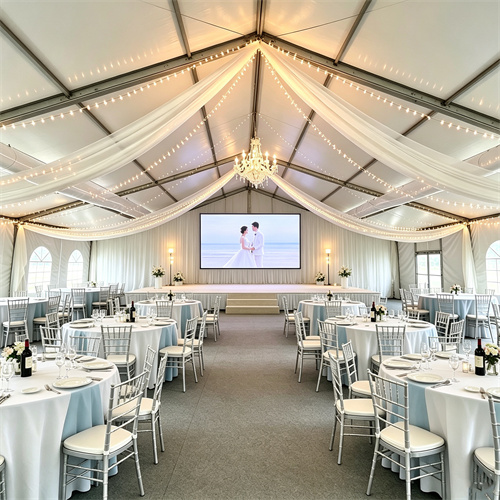 The Relationship Between Marquee Fabric Weight and Service Life
 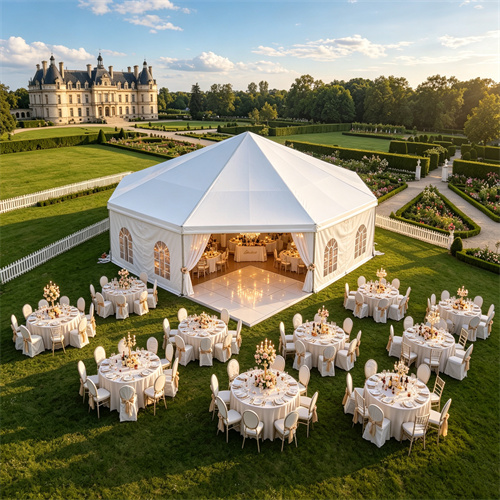 Characteristics and Applications of 850g and 650g PVC Tent Fabric
 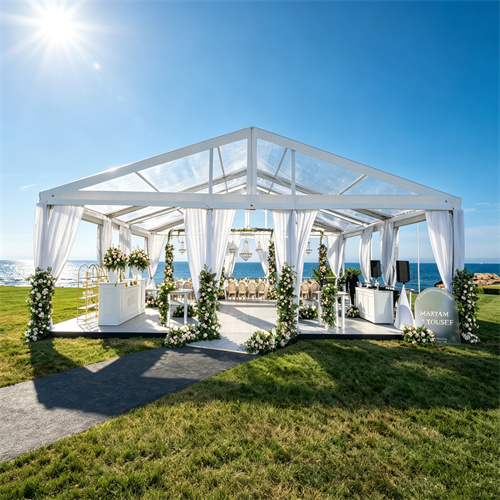 How to Keep Tent Cool and Sun-Safe in Summer?
 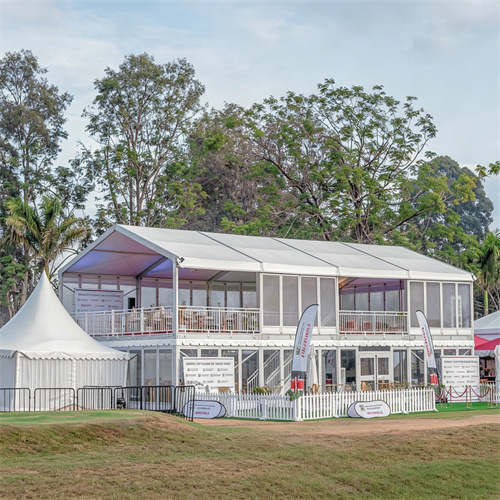 In Which Occasions Are Double-Decker Tents Suitable for Use?
 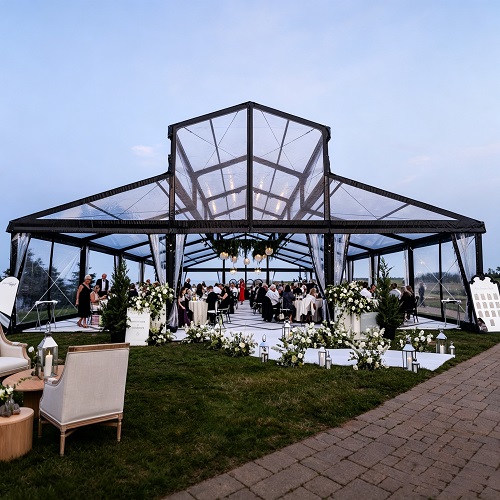 Guide to Marquee Tent Usage, Maintenance and Storage Under Various Weather Conditions
 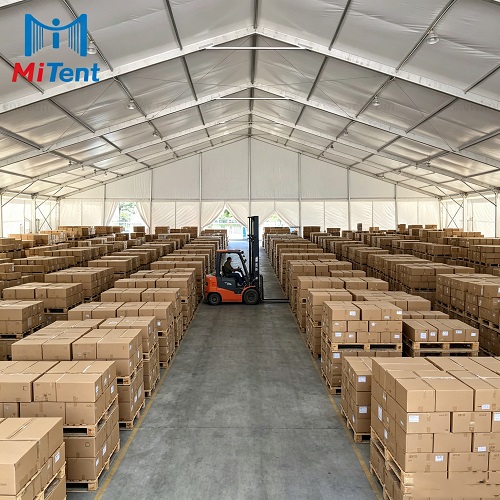 Features and Benefits of Warehouse Tents
  Features and Benefits of Full Transparent Tents
 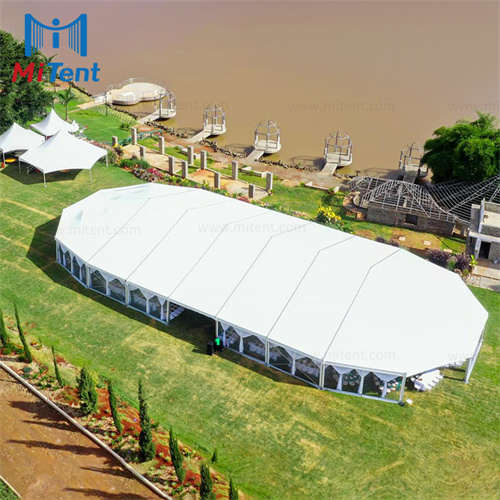 How Should the Outdoor Tent be Maintained in Windy Weather?
  How To Choose A High-Quality Party Tent Suitable for Your Events
 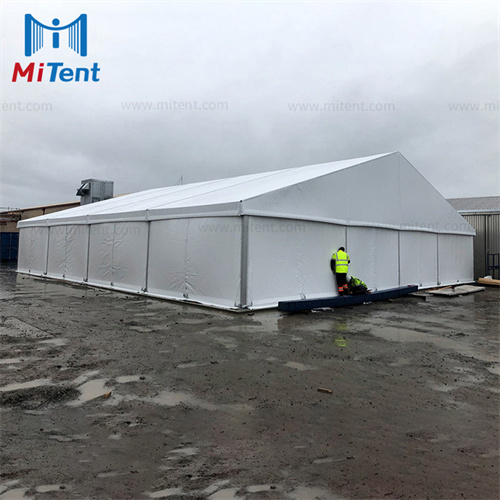 How to Remove Snow from a Tent in Heavy Snow Weather?
 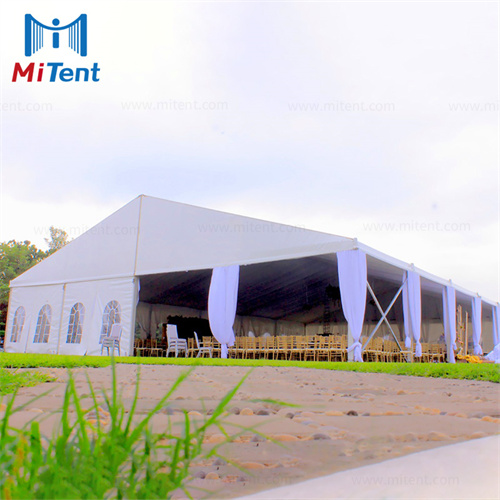 The Achievable Heights of Outdoor Marquees
 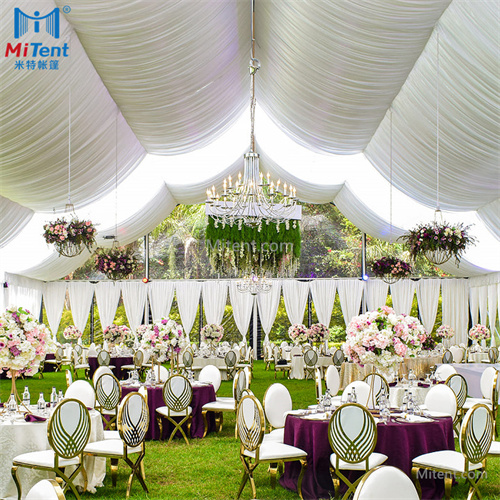 Decoration Techniques for Event Tents in Different Occasions
 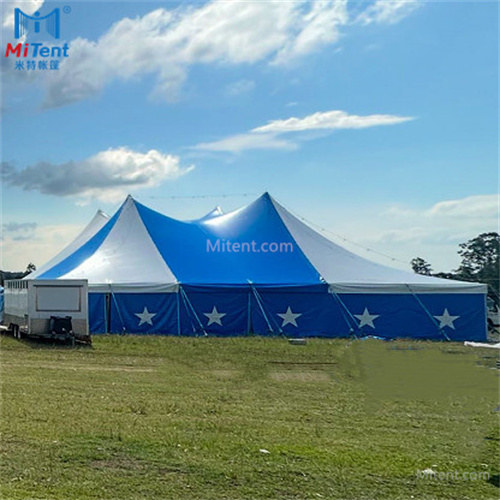 Precautions for Setting Up Outdoor Tents
 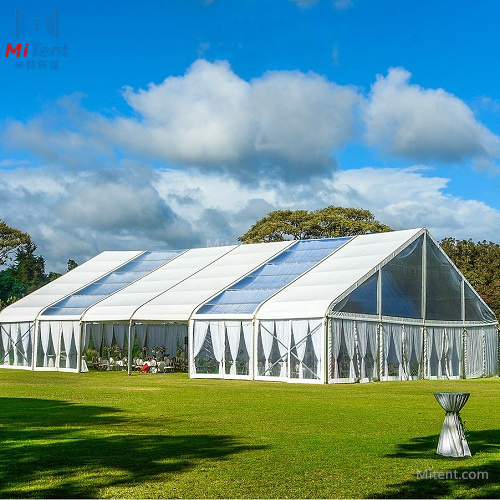 Characteristics and Processing Differences between Transparent PVC and White PVC in Tent Products
 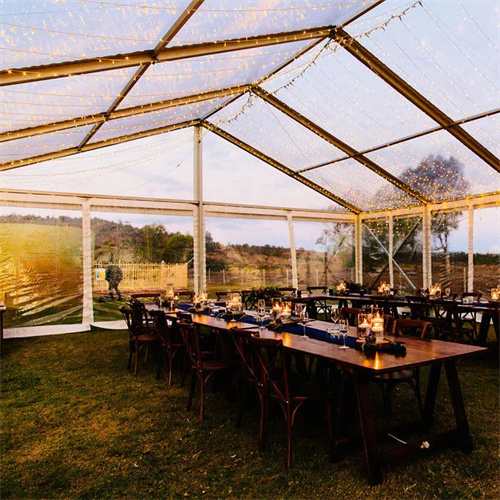 Advantages of Tents Made of Aluminum Alloy
  Key Investment Advantages of a Basketball Sports Tent
  The Double-Decker Tent: Elevating Event Spaces for Grand Occasions