
How to protect tents from the sun and keep them cool in summer ?
2025-08-04
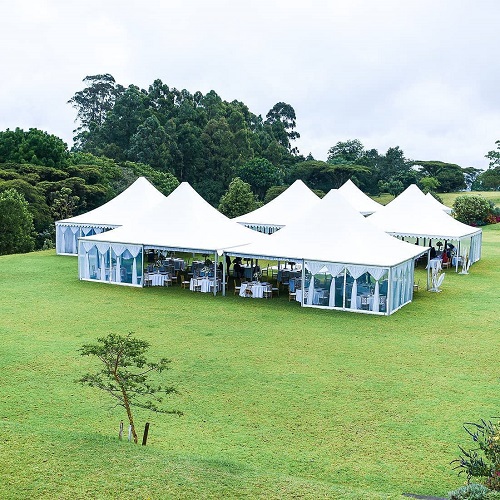
Event tents, marquees, and temporary structures face significant heat challenges during summer months. High temperatures, intense sunlight, and poor ventilation can create uncomfortable conditions for guests, damage equipment, and even pose health risks. Effective sun protection and cooling strategies are essential to maintain a pleasant indoor environment. This guide explores 8 proven methods to keep tents cool in summer, covering material selection, ventilation, shading, and active cooling systems.
1.Choosing the Right Tent Material for Heat Reflection
A.High-Albedo (Reflective) Fabrics
White or light-colored tent canopies reflect up to 80% of solar radiation, reducing heat absorption.
PVC-coated polyester with UV-resistant treatments prevents fabric degradation while reflecting sunlight.
Silver-coated fabrics (aluminized layers) provide additional infrared (IR) reflection, keeping interiors cooler.
B.Breathable and Ventilated Fabrics
Mesh panel integration allows airflow while blocking direct sunlight.
Double-layered roofs with air gaps reduce heat transfer via convection.
C.Phase-Change Materials (PCM) for Temperature Regulation
Some advanced tents use PCM-infused fabrics that absorb heat during the day and release it at night.
Helps stabilize indoor temperatures, reducing peak heat by 5-10°C.
2.Passive Cooling Through Smart Tent Design
A.Elevated Roof & Peak Ventilation
High-peak designs allow hot air to rise and escape through **ridge vents.
Adjustable roof vents can be opened to create a natural chimney effect, drawing cooler air from below.
B.Sidewall Management for Airflow
Roll-up side panels allow cross-ventilation when outdoor temperatures drop.
Mesh sidewalls block insects while permitting airflow.
C.Orientation and Shade Positioning
Aligning the tent’s long side perpendicular to the sun’s path minimizes direct exposure.
Using natural shade (trees, buildings) reduces solar heat gain.
3.External Shading Solutions
A.Retractable Awnings & Canopies
Attachable shade sails block up to 90% of UV rays before they reach the tent.
Adjustable louvered roofs allow dynamic shade control.
B.Artificial Shade Structures
Temporary pergolas with climbing plants (e.g., vines) provide natural cooling.
Pop-up shade nets (70-90% UV block) can be installed over tents.
C.Reflective Ground Covers
Light-colored flooring (white vinyl, reflective tarps) reduces heat radiation from below.
Grass or artificial turf stays cooler than asphalt or concrete.
4.Active Cooling Systems for Maximum Comfort
A. Portable Air Conditioning (AC) Units
Industrial evaporative coolers (swamp coolers) work best in dry climates, reducing temps by 10-15°C.
Split AC systems (for semi-permanent tents) offer efficient cooling without noise.
B.High-Velocity Fans & Air Circulation
HVLS (High Volume, Low Speed) fans move large air volumes efficiently.
Cross-flow ventilation fans ensure even cooling distribution.
C.Mist Cooling Systems
Fine water misters lower ambient temps by 5-12°C through evaporative cooling.
Best for outdoor tents in low-humidity regions.
5.Thermal Insulation to Block Heat Transfer
A. Insulated Liners & Thermal Barriers
Reflective foil bubble insulation (e.g., Reflectix) can be added to tent ceilings.
Thermal blackout liners block both heat and light for indoor events.
B.Double-Wall Tent Construction
Air gap insulation between layers reduces conductive heat transfer.
Some tents use aerogel-infused fabrics for ultra-lightweight insulation.
6.Smart Technology for Climate Control
A. Automated Temperature Monitoring
IoT sensors track real-time heat and humidity, adjusting cooling systems automatically.
Smart vents open/close based on temperature thresholds.
B.Solar-Powered Cooling
Solar panels can power fans, misters, or small AC units sustainably.
Solar-reflective coatings on tent surfaces reduce energy demand.
7.Additional Tips for Guest Comfort
A.Hydration Stations & Cooling Zones
Provide iced water stations and cooling towels for attendees.
Create shaded rest areas with fans or misters.
B.Time Scheduling for Events
Host events during cooler hours(morning/evening) to avoid peak heat.
Use temporary shade structures for daytime activities.
8.Maintenance to Ensure Cooling Efficiency
A.Regular Cleaning of Ventilation Systems
Dust and debris can block airflow—clean fans, vents, and filters monthly.
B.Inspecting Reflective Coatings
Reapply UV-reflective treatments annually to maintain performance.
C.Checking Insulation & Seals
Ensure no gaps in thermal liners that could let hot air in.
Conclusion: Creating a Cool, Comfortable Tent Environment
By combining smart material choices, passive cooling designs, active climate control, and strategic shading, event tents can remain comfortably cool even in extreme summer heat. Whether for weddings, sports events, or festivals, these solutions ensure guest comfort and operational efficiency. Future advancements in smart fabrics and renewable cooling will continue to improve summer tent performance.
Would you like additional details of outdoor tent ? Pls contact with Mite Tent Group for more information.
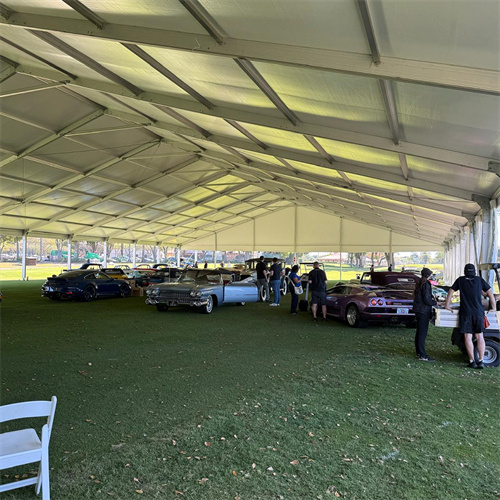 The Advantages of Exhibition Tents in Practical Applications
 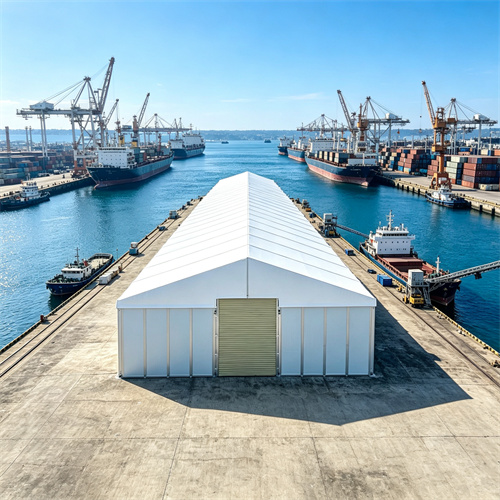 Key Differences Between Warehouse Tent and Traditional Warehouses
 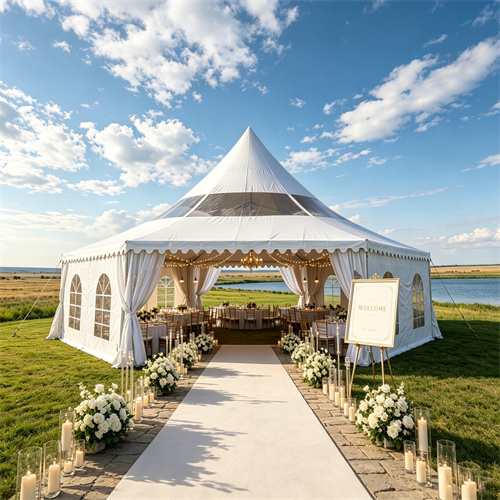 Core Differences Between Heavy‑Duty Marquee and Light Weight Marquee
  The Relationship Between Marquee Fabric Weight and Service Life
  Characteristics and Applications of 850g and 650g PVC Tent Fabric
  How to Keep Tent Cool and Sun-Safe in Summer?
  In Which Occasions Are Double-Decker Tents Suitable for Use?
  Guide to Marquee Tent Usage, Maintenance and Storage Under Various Weather Conditions
  Features and Benefits of Warehouse Tents
  Features and Benefits of Full Transparent Tents
  How Should the Outdoor Tent be Maintained in Windy Weather?
  How To Choose A High-Quality Party Tent Suitable for Your Events
  How to Remove Snow from a Tent in Heavy Snow Weather?
  The Achievable Heights of Outdoor Marquees
  Decoration Techniques for Event Tents in Different Occasions
  Precautions for Setting Up Outdoor Tents
  Characteristics and Processing Differences between Transparent PVC and White PVC in Tent Products
  Advantages of Tents Made of Aluminum Alloy
  Key Investment Advantages of a Basketball Sports Tent
  The Double-Decker Tent: Elevating Event Spaces for Grand Occasions