
Is Tent Rental better than Purchasing Tent?
2025-07-28
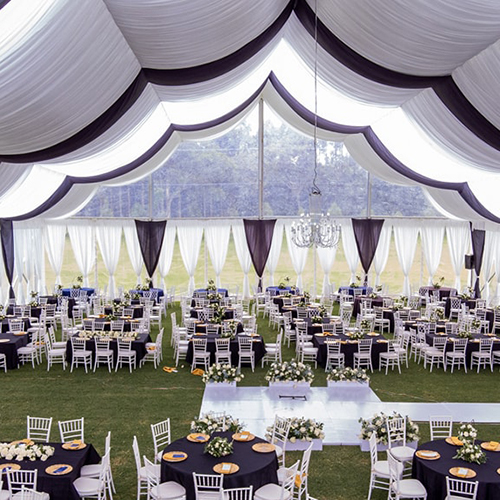
When considering temporary structures for events, construction sites, or storage needs, organizations face a critical choice: should they rent or purchase a tent? This decision impacts budgets, logistics, and long-term planning. This guide examines 10 key factors to help determine whether renting or buying a tent is the better option for your specific needs.
1.Frequency of Use
Rental Advantages for Occasional Use
Ideal for one-time events (weddings, festivals, trade shows)
No long-term storage or maintenance costs
Pay only when needed
Purchase Benefits for Frequent Users
Cost-effective for weekly/monthly deployments
Immediate availability without booking lead times
Potential revenue from renting to others
Industry Data: Companies using tents >15 times/year typically find purchasing more economical
2.Cost Considerations
Rental Cost Structure
Daily/weekly rates (typically $200-$1,500 depending on size)
Includes delivery, setup, and takedown
No depreciation concerns
Purchase Investment
Initial costs ($3,000-$50,000+ for commercial-grade tents)
Additional expenses (anchors, flooring, lighting)
7-10 year lifespan for quality structures
Break-Even Analysis: Purchasing becomes cost-effective after 20-30 rental equivalents for medium tents (20x30ft).
3.Storage and Maintenance
Rental Benefits
No storage space required
Provider handles all maintenance
Always get updated equipment
Ownership Responsibilities
Need for dry, secure storage (200-500 sq.ft for large tents)
Annual maintenance costs (2-5% of purchase price)
Cleaning, fabric treatments, and frame inspections
4.Customization Needs
Rental Limitations
Standard sizes/configurations
Limited branding opportunities
Few material options
Ownership Advantages
Permanent custom branding
Tailored sizes and features
Specialized fabrics/colors
Case Study: Coca-Cola's branded event tents increased brand impressions by 40% vs. generic rentals.
5.Logistics and Setup
Rental Convenience
Professional installation included
No labor or equipment needs
Compliance with local permits
Purchase Requirements
Need for trained crew
Equipment investments (lifts, tools)
Permit acquisition responsibility
6.Weather and Seasonal Factors
Rental Flexibility
Adjust tent size seasonally
Access specialized tents (snow/wind-rated)
No weather damage liability
Ownership Challenges
Must protect from elements year-round
Limited to purchased specifications
Storm damage repair costs
7.Technological and Regulatory Compliance
Rental Advantages
Always meet current safety codes
Regular structural inspections
Updated fire-retardant materials
Ownership Risks
Responsibility for code compliance
Testing/certification costs
Potential obsolescence
8.Financial and Tax Implications
Rental Financials
100% operational expense
Predictable budgeting
No asset depreciation
Purchase Considerations
Capital asset depreciation (5-7 years)
Potential resale value
Financing options available
9.Risk Management
Rental Risk Reduction
Damage waivers available
Provider carries insurance
Quick replacement if damaged
Ownership Liabilities
Need for specialized insurance
Repair/replacement costs
Staff safety training requirements
10.Future-Proofing Your Decision
Hybrid Solutions
Rent-to-own programs
Seasonal rental agreements
Consortium sharing models
Emerging Trends
Smart tents with IoT sensors
Sustainable material options
Modular expansion systems
Conclusion: Making the Right Choice
For most users, renting proves optimal for:
Annual or occasional events
Testing tent requirements
Temporary projects (<6 months)
Purchasing makes sense for:
High-frequency users (>15 events/year)
Specialized configurations
Long-term branding needs
Final Recommendation: Conduct a 3-year cost/benefit analysis comparing your projected usage against local rental rates and purchase costs. Many businesses find a mixed approach - owning core tents while renting for peak demands - delivers the best value.
Do you want to get more information from outdoor tent ? More information pls contact with Mite Tent Group.
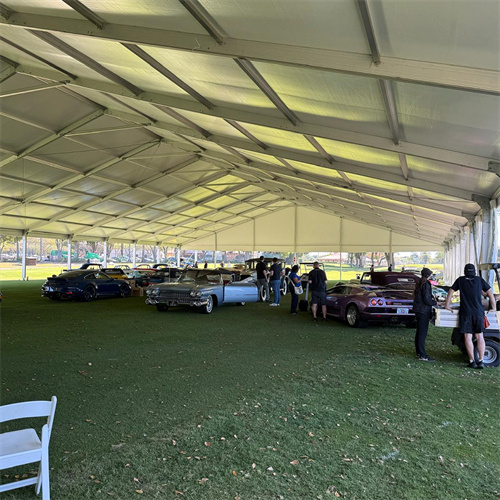 The Advantages of Exhibition Tents in Practical Applications
 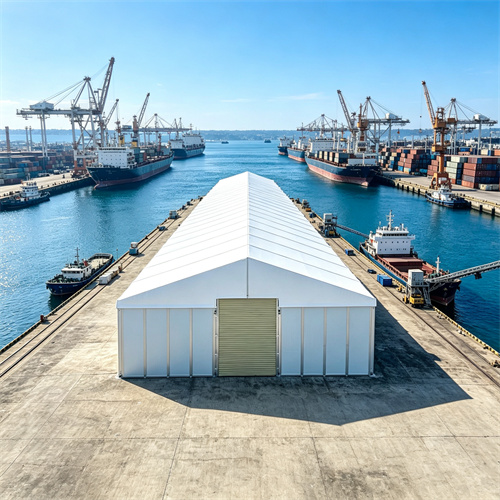 Key Differences Between Warehouse Tent and Traditional Warehouses
 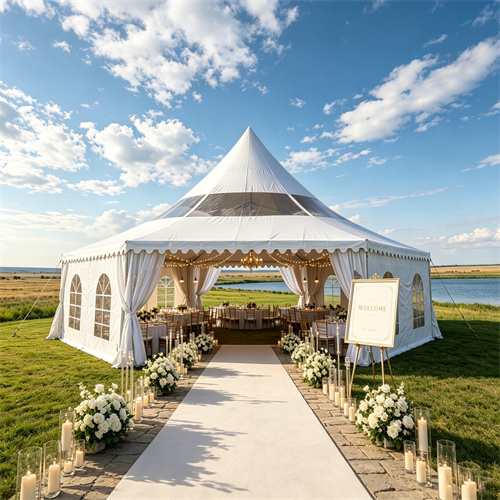 Core Differences Between Heavy‑Duty Marquee and Light Weight Marquee
  The Relationship Between Marquee Fabric Weight and Service Life
  Characteristics and Applications of 850g and 650g PVC Tent Fabric
  How to Keep Tent Cool and Sun-Safe in Summer?
  In Which Occasions Are Double-Decker Tents Suitable for Use?
  Guide to Marquee Tent Usage, Maintenance and Storage Under Various Weather Conditions
  Features and Benefits of Warehouse Tents
  Features and Benefits of Full Transparent Tents
  How Should the Outdoor Tent be Maintained in Windy Weather?
  How To Choose A High-Quality Party Tent Suitable for Your Events
  How to Remove Snow from a Tent in Heavy Snow Weather?
  The Achievable Heights of Outdoor Marquees
  Decoration Techniques for Event Tents in Different Occasions
  Precautions for Setting Up Outdoor Tents
  Characteristics and Processing Differences between Transparent PVC and White PVC in Tent Products
  Advantages of Tents Made of Aluminum Alloy
  Key Investment Advantages of a Basketball Sports Tent
  The Double-Decker Tent: Elevating Event Spaces for Grand Occasions