
Maintaining Tents During the Rainy Season: A Comprehensive Guide
2025-07-08

The rainy season, often characterized by prolonged periods of heavy rainfall and high humidity, can pose significant challenges to the maintenance and longevity of tents. Whether used for outdoor events, storage, or temporary shelters, proper care during this period is essential to prevent damage and ensure optimal performance. Here’s a detailed guide on how to maintain tents during the rainy season:
1. Choose the Right Tent Material
Selecting a tent made from high-quality, waterproof materials is the first step in ensuring durability during the rainy season. Look for tents with UV-resistant and waterproof coatings, such as polyethylene or PVC fabrics. These materials not only repel water but also resist mold and mildew, which are common issues in humid conditions.
2. Ensure Proper Installation
Proper installation is crucial to prevent water leakage and structural damage. Make sure the tent is pitched on a slightly elevated area to avoid water pooling underneath. Use sturdy stakes and ropes to secure the tent firmly, as strong winds often accompany heavy rains. Double-check the tension of the fabric to ensure it remains taut, reducing the risk of water accumulation on the roof.
3. Regular Inspections
Frequent inspections are necessary to identify and address potential issues early. Check for any signs of wear and tear, such as small tears, loose seams, or weakened areas. Pay special attention to the tent’s corners and edges, as these are prone to water seepage. If any damage is found, repair it immediately using waterproof patches or sealants.
4. Maintain Proper Ventilation
High humidity during the rainy season can lead to condensation inside the tent, promoting mold and mildew growth. Ensure adequate ventilation by keeping windows, doors, or vents open when possible. If the tent is equipped with mesh panels, use them to allow airflow while keeping insects out. For enclosed tents, consider using dehumidifiers or moisture-absorbing products to reduce internal dampness.
5. Clean and Dry the Tent Regularly
After each use, especially during prolonged rain, clean the tent thoroughly to remove dirt, debris, and moisture. Use a mild detergent and a soft brush to scrub the fabric gently, then rinse with clean water. Allow the tent to dry completely before storing it, as dampness can lead to mold and unpleasant odors. If drying outdoors isn’t possible, use a well-ventilated indoor space or a fan to speed up the process.
6. Use Groundsheets and Tarps
Lay a waterproof groundsheet or tarp beneath the tent to provide an additional layer of protection against ground moisture. This not only prevents water from seeping through the floor but also reduces wear and tear on the tent’s base. For extra protection, consider using a rainfly or overhead tarp to shield the tent from heavy downpours.
7. Store the Tent Properly
When not in use, store the tent in a cool, dry place away from direct sunlight. Avoid folding the tent tightly, as this can cause creases that weaken the fabric over time. Instead, loosely roll the tent and place it in a breathable storage bag. Ensure the tent is completely dry before storing to prevent mold growth.
8. Address Mold and Mildew Promptly
If mold or mildew does appear, address it immediately to prevent further damage. Mix a solution of equal parts water and white vinegar or use a specialized tent cleaner to gently scrub the affected areas. Rinse thoroughly and allow the tent to dry completely before storing or reusing.
By following these maintenance tips, you can extend the life of your tent and ensure it remains functional and reliable throughout the rainy season. Proper care not only protects your investment but also enhances the safety and comfort of those using the tent.
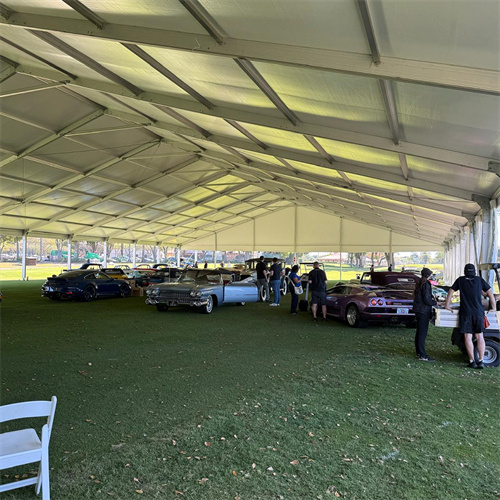 The Advantages of Exhibition Tents in Practical Applications
 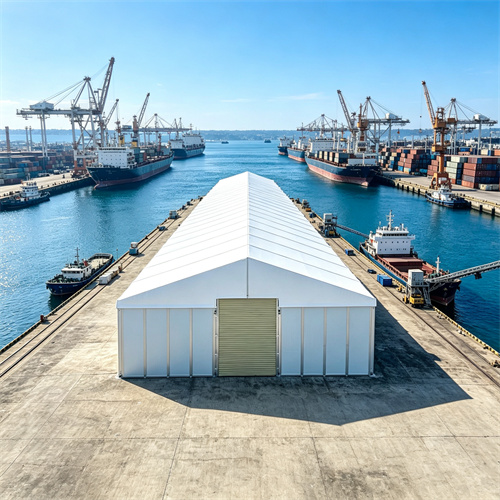 Key Differences Between Warehouse Tent and Traditional Warehouses
  Core Differences Between Heavy‑Duty Marquee and Light Weight Marquee
  The Relationship Between Marquee Fabric Weight and Service Life
  Characteristics and Applications of 850g and 650g PVC Tent Fabric
  How to Keep Tent Cool and Sun-Safe in Summer?
 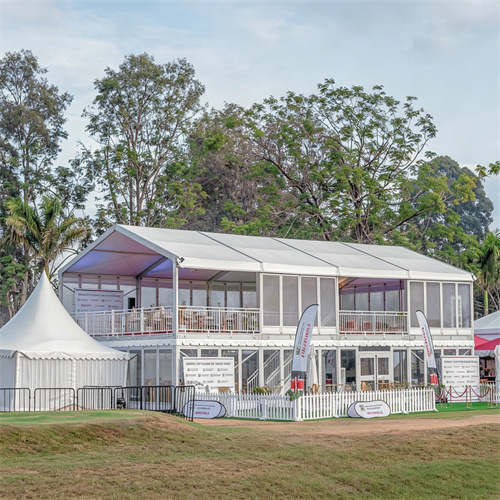 In Which Occasions Are Double-Decker Tents Suitable for Use?
  Guide to Marquee Tent Usage, Maintenance and Storage Under Various Weather Conditions
 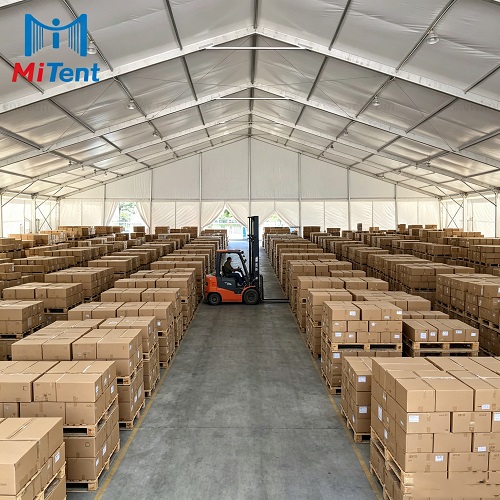 Features and Benefits of Warehouse Tents
  Features and Benefits of Full Transparent Tents
 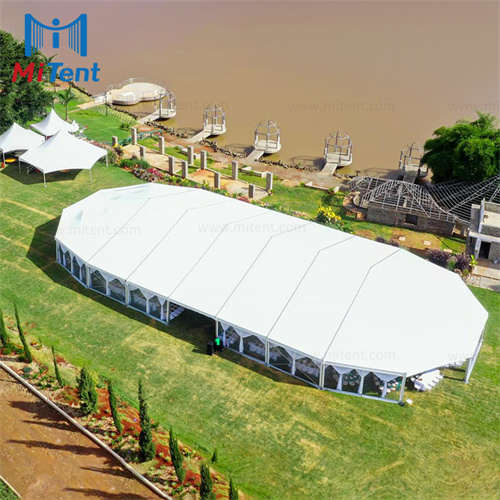 How Should the Outdoor Tent be Maintained in Windy Weather?
  How To Choose A High-Quality Party Tent Suitable for Your Events
 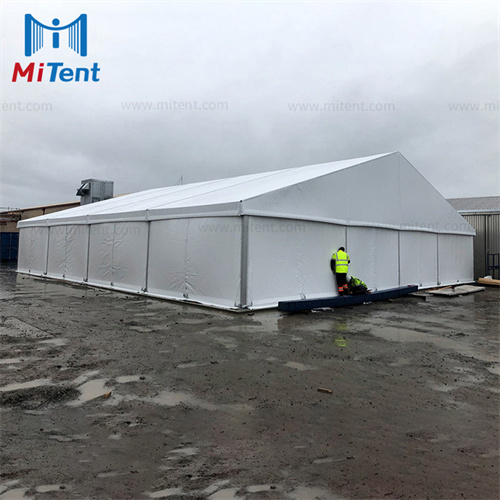 How to Remove Snow from a Tent in Heavy Snow Weather?
 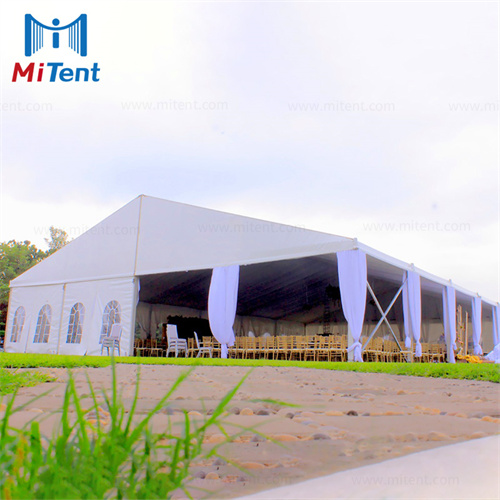 The Achievable Heights of Outdoor Marquees
 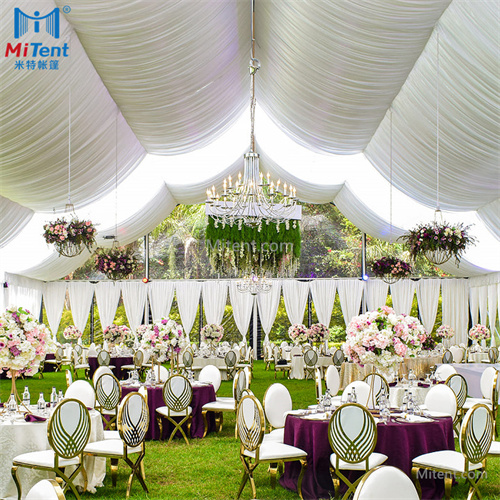 Decoration Techniques for Event Tents in Different Occasions
 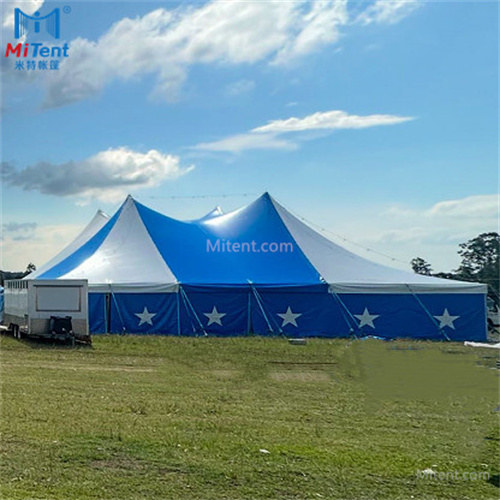 Precautions for Setting Up Outdoor Tents
 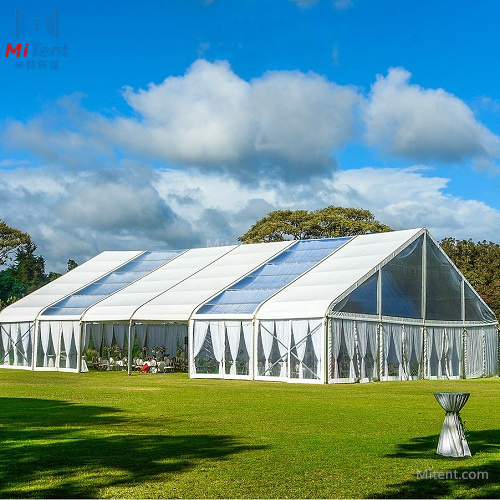 Characteristics and Processing Differences between Transparent PVC and White PVC in Tent Products
 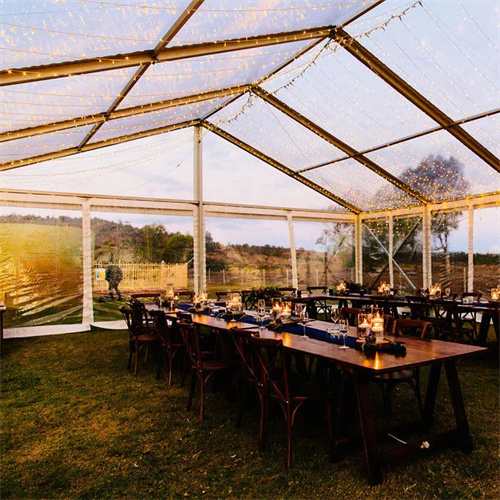 Advantages of Tents Made of Aluminum Alloy
  Key Investment Advantages of a Basketball Sports Tent
  The Double-Decker Tent: Elevating Event Spaces for Grand Occasions