
Outdoor tent vs. Permanent Buildings: Choosing the Right Structure for Your Needs
2026-01-06

In the world of architecture and event planning, the choice between a tent (or temporary structure) and a permanent building is fundamental. While both provide shelter and space, they serve vastly different purposes, timelines, and budgets. Understanding their key distinctions is crucial for making an informed decision, whether you're hosting a weekend festival or constructing a long-term facility.
1.Foundation and Permanence
The most apparent difference lies in their foundational integrity and intended lifespan.
Permanent buildings are constructed on deep, concrete foundations that anchor them to the ground, designed to withstand decades of use and environmental forces. They are a fixed part of the landscape, subject to strict local building codes and zoning laws that govern everything from structural integrity to fire safety and energy efficiency.
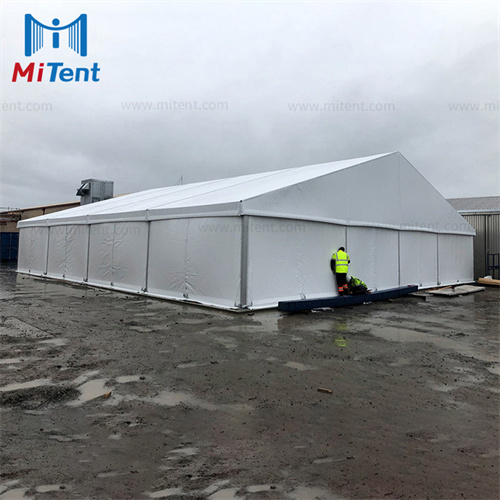
tents, in contrast, are temporary structures. They are typically anchored using ground screws, weighted bases, or ballasts, allowing for installation on almost any surface—grass, asphalt, or concrete—without damaging the ground. This lack of a deep foundation makes them inherently temporary, designed for short- to medium-term use, from a single day to several years.
2.Flexibility and Customization
This is where tents truly shine.
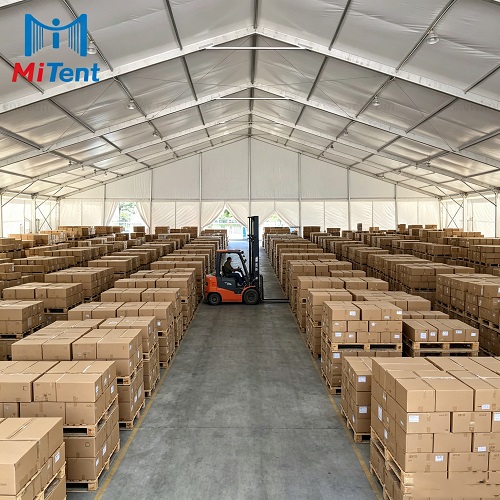
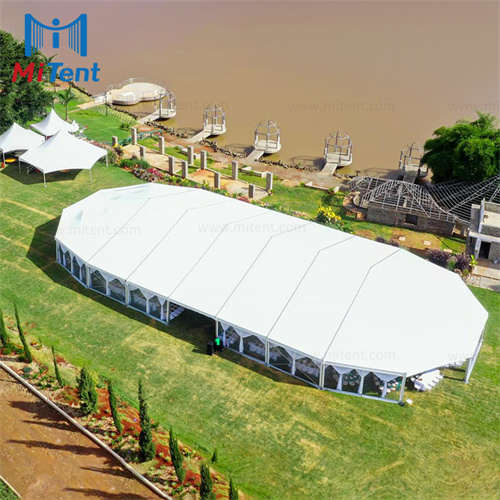
tents offer unparalleled flexibility. They can be erected and dismantled relatively quickly, adapting to seasonal demands or changing locations. Their modular nature allows for easy expansion, reduction, or reconfiguration. Need to add a wing for a larger crowd? It can often be done in a matter of days. This makes them ideal for pop-up events, seasonal retail, construction site covers, or as temporary extensions to existing buildings.
Permanent buildings are static. Their design is fixed upon completion. While they can be renovated or extended, the process is lengthy, disruptive, and expensive. The customization is embedded in the initial construction phase, offering a bespoke solution that is not meant to change.
3.Time and Cost Implications
The project timeline and financial investment differ dramatically.
Constructing a permanent building is a long-term, capital-intensive project. It involves architects, engineers, lengthy permit approvals, and construction that can take months or years. The initial investment is high, but it is amortized over the asset's long life.
A tent project is characterized by speed and lower initial capital outlay. Installation can be completed in days or weeks. This significantly reduces upfront costs and allows for a rapid return on investment, especially for time-sensitive ventures like Christmas markets or summer festivals. The cost model is often one of rental or a one-time purchase for temporary use.
4.Utilities and Comfort
Permanent buildings have a clear advantage in integrated comfort and services.
Permanent structures have utilities like plumbing, electrical wiring, HVAC systems, and insulation built directly into their walls. They provide a consistent, comfortable environment year-round, regardless of the weather outside.
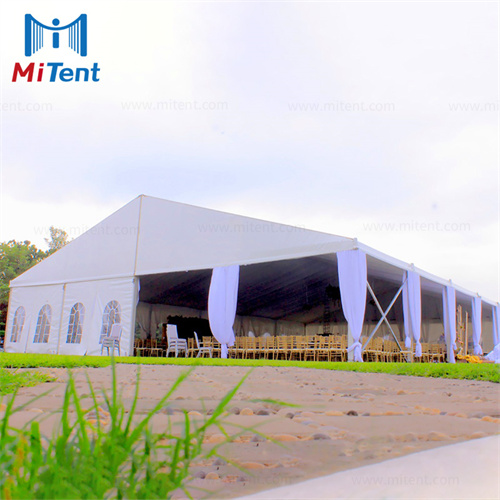
tents are essentially blank canvases. While they can be equipped with high levels of comfort, these are add-ons. Luxury linings, climate control units, solid walls, flooring, and full electrical installations can be integrated to create a "semi-permanent" space that is very comfortable. However, achieving the same level of insulation and energy efficiency as a permanent building is more challenging and costly.
Conclusion: A Question of Purpose
The choice between a tent and a permanent building is not about which is better, but which is more appropriate for the specific need.
Choose a permanent building for long-term, stable operations where durability, integrated services, and a fixed presence are paramount. Think corporate offices, manufacturing plants, or retail stores.
Choose a tent for flexibility, speed, and temporary spatial solutions. They are the go-to for events, seasonal operations, emergency cover, and rapidly deployed commercial or industrial space.
In an evolving world, the ability to adapt is priceless. tents offer the agility that modern businesses and event planners often require, while permanent buildings provide the solid foundation for enduring enterprises.
More information of outdoor tent, welcome to contact with Mitent Group, with more than 20 years experience, we are surely provide you the tent that you will satisfied with it !
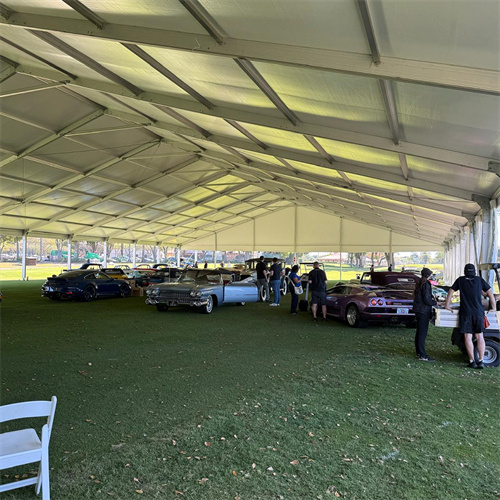 The Advantages of Exhibition Tents in Practical Applications
 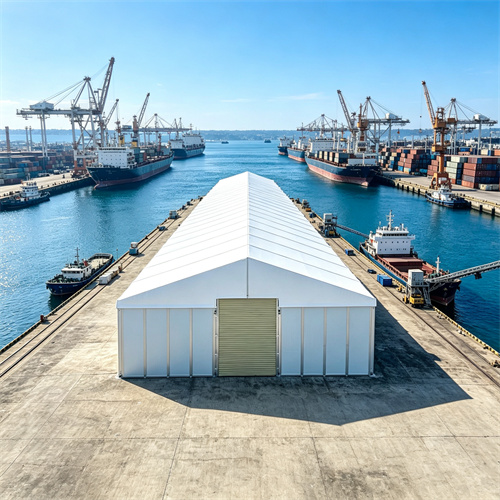 Key Differences Between Warehouse Tent and Traditional Warehouses
 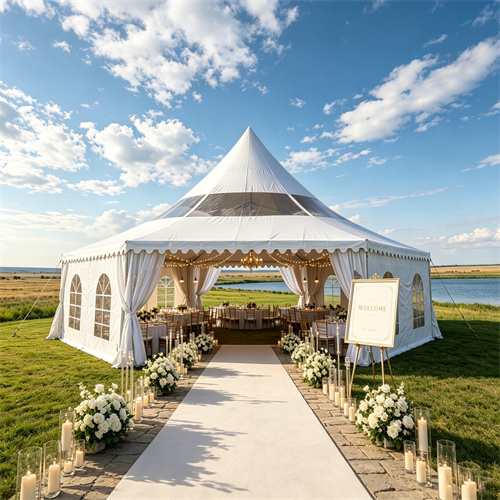 Core Differences Between Heavy‑Duty Marquee and Light Weight Marquee
 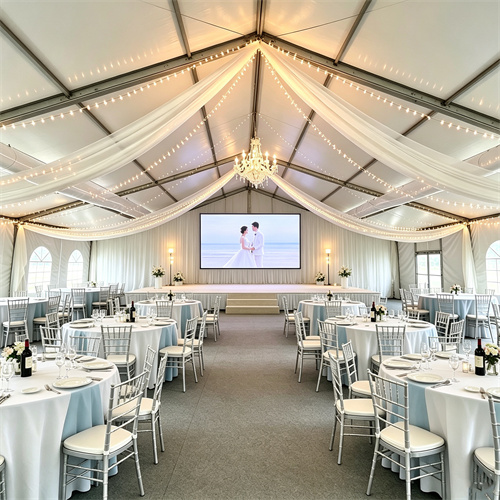 The Relationship Between Marquee Fabric Weight and Service Life
 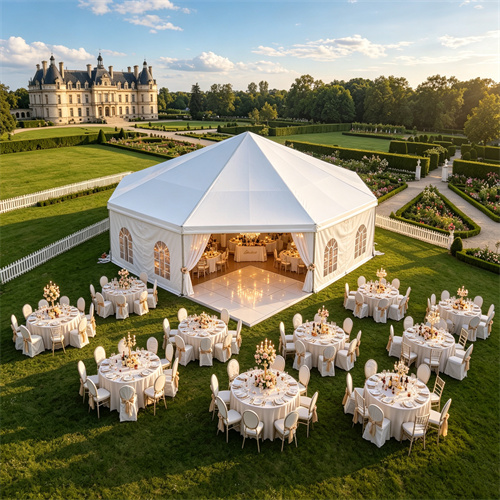 Characteristics and Applications of 850g and 650g PVC Tent Fabric
 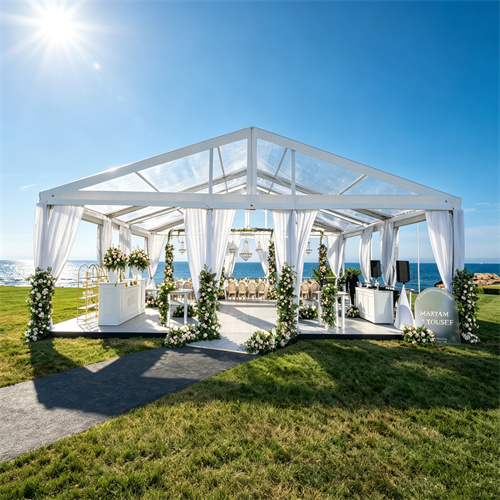 How to Keep Tent Cool and Sun-Safe in Summer?
 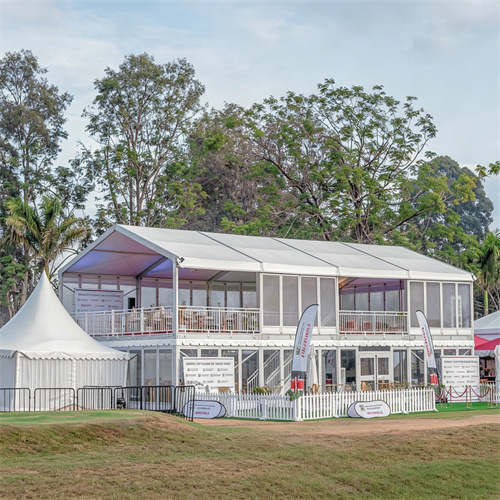 In Which Occasions Are Double-Decker Tents Suitable for Use?
 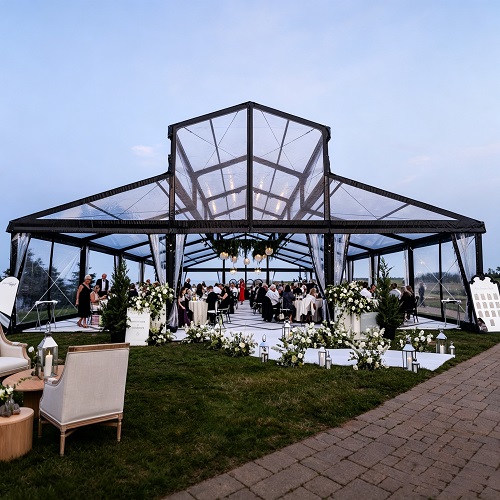 Guide to Marquee Tent Usage, Maintenance and Storage Under Various Weather Conditions
  Features and Benefits of Warehouse Tents
  Features and Benefits of Full Transparent Tents
  How Should the Outdoor Tent be Maintained in Windy Weather?
  How To Choose A High-Quality Party Tent Suitable for Your Events
  How to Remove Snow from a Tent in Heavy Snow Weather?
  The Achievable Heights of Outdoor Marquees
 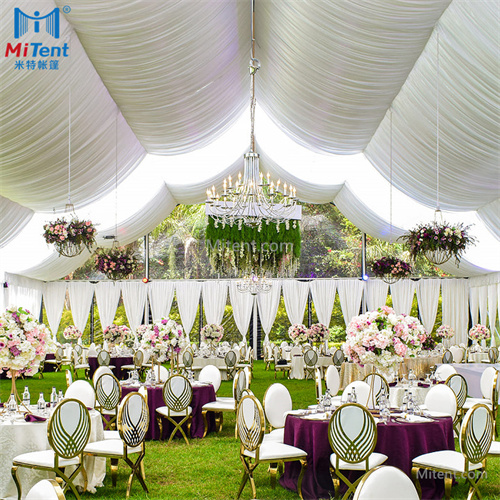 Decoration Techniques for Event Tents in Different Occasions
 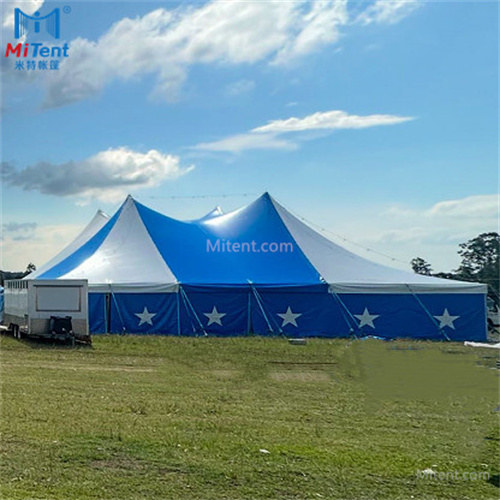 Precautions for Setting Up Outdoor Tents
 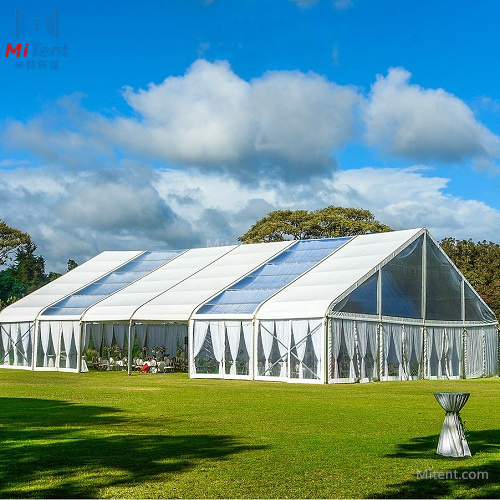 Characteristics and Processing Differences between Transparent PVC and White PVC in Tent Products
 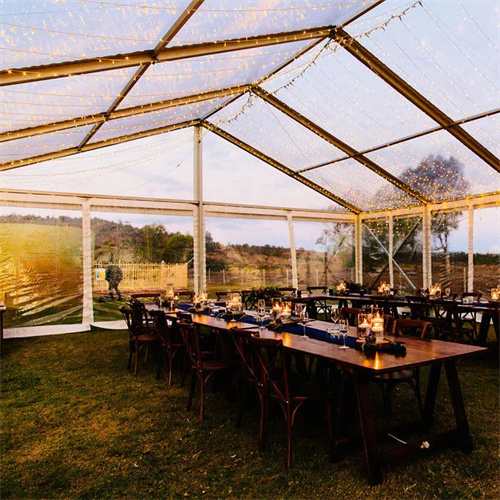 Advantages of Tents Made of Aluminum Alloy
  Key Investment Advantages of a Basketball Sports Tent
  The Double-Decker Tent: Elevating Event Spaces for Grand Occasions