
Printing Logos on Colored PVC Fabric – Processes & Precautions
2026-03-10

(1) Screen Printing (Most Popular for Tents & Outdoor Products)
Screen printing is the most widely used method for PVC materials, especially for mass-produced outdoor tents, inflatable tents, and large canopies.Process:First, clean the PVC surface to remove dust, oil, and release agents. For low-surface-energy PVC, corona or flame treatment is recommended to improve ink adhesion. A white ink underbase is mandatory for dark or brightly colored PVC to prevent dull, grayish, or transparent logos. Special flexible, weather-resistant, or UV-resistant PVC ink is applied through a stencil, then cured by air-drying or low-temperature heating.Advantages: thick ink layer, strong coverage, bright colors, excellent UV and water resistance, good flexibility, low cost for large volumes.Disadvantages: multi-color designs require repeated registration; gradients and photo-like images are limited.Applications: outdoor tents, event canopies, large inflatables, high-volume standard products.
(2) UV Digital Direct Printing
UV digital printing is a fast-growing plate-free process ideal for small-batch, high-precision, complex designs.Process:Vector or high-resolution images are directly printed onto PVC using UV-curable ink, which solidifies instantly under UV light. No plate making is needed. A white underbase is still recommended for dark fabrics to enhance brightness and saturation.Advantages: no plate required, low MOQ, fast lead time, supports gradients, full-color patterns, and photo-realistic effects; high color consistency for customized products.Disadvantages: higher unit cost for mass production; thinner ink layer, slightly lower long-term outdoor durability compared to high-quality screen printing.Applications: custom tents, exhibition canopies, short-run multi-style products.
(3) Heat Transfer Printing
Heat transfer involves printing the logo onto a transfer film first, then applying it to PVC under heat and pressure.Process:The logo is printed onto PET transfer film using special transfer ink, then transferred onto PVC with controlled temperature, pressure, and time to avoid damaging the coating or causing hardening or deformation.Advantages: fine details, smooth color transitions, sharp edges, good results even without an underbase.Disadvantages: high cost for large areas; possible fading or edge lifting after long-term sun exposure; average bending resistance.Applications: small decorative logos, promotional tents, display products.
(4) Vinyl Film / Heat Press Film Application
This is a physical bonding process without liquid ink. Logos are cut into colored, reflective, or matte film, weeded manually, then heat-pressed onto PVC.Advantages: strong 3D effect, smooth surface, scratch-resistant, stable color, suitable for text and simple graphics.Disadvantages: not suitable for complex patterns, gradients, or fine lines; high cost and poor aesthetics for large areas.Applications: brand labels, warning signs, small logos, reflective markings.
(5) Laminated Printing
For premium or heavy-duty outdoor products, printing can be done on a thin PVC film first, then laminated onto the base fabric. This delivers the highest durability and weatherability but involves longer processes and higher costs, typically used in high-end canopies, military, and industrial products.
Key Precautions for Logo Printing on Colored PVC Fabric
(1) Background Color Treatment
Light-colored PVC can be printed directly. Dark, bright, or strongly colored PVC MUST use a white ink underbase to ensure full coverage, pure hue, and high visibility. Without a white underbase, logos will appear dull, transparent, or discolored.
(2) Use Only Special Flexible PVC Ink
General-purpose ink has extremely low adhesion on PVC and easily peels or cracks. Since tents and inflatable products are frequently folded and stretched, flexible, bend-resistant, anti-aging PVC ink is essential. For outdoor use, UV-resistant, hydrolysis-resistant, and weatherproof outdoor-grade ink is strongly recommended.
(3) Surface Pre-Treatment Is Critical
PVC often contains lubricants, antistatic agents, and release agents that severely reduce adhesion. Pre-treatment methods include alcohol wiping or corona treatment to increase surface energy and improve bonding strength.
(4) Strict Color Matching & Proofing
The base fabric color directly affects printing results. High-contrast logo colors are preferred. Always provide color cards and pre-production samples for customer approval to avoid color discrepancies in mass production.
(5) Ensure Flexibility & Bending Resistance
PVC products are usually foldable. Ink must remain soft after curing; otherwise, repeated folding will cause cracking, flaking, or powdering. A bending test is recommended after printing.
(6) Outdoor Weatherability Requirements
Products used outdoors must resist sunlight, rain, high and low temperatures. Full curing is essential. Additional protective coating, varnish, or lamination can further improve UV resistance, water resistance, and service life.
(7) Accurate Positioning & Registration
Large-area PVC fabric may stretch or shift during printing. Proper tension control and registration marks ensure symmetrical, consistent logo placement and higher yield.
(8) Post-Processing & Storage
Printed materials must be fully dried before stacking, sewing, or packaging to prevent sticking, smudging, or color transfer. Store in a dry, ventilated, shaded environment away from high temperature and heavy pressure.
(9) Environmental & Safety Compliance
For export markets (EU, US, etc.), use low-odor, heavy-metal-free, eco-friendly PVC inks complying with RoHS, Reach, and other environmental standards to avoid customs issues or customer rejection.
There is no universal “best” process for printing logos on colored PVC fabric—only the most suitable one for the product.
-
For mass production, outdoor durability, and cost efficiency: Screen Printing
-
For small batches, complex designs, and customization: UV Digital Direct Printing
-
For small, delicate logos: Heat Transfer Printing
-
For text and simple labels: Vinyl Film Application
With strict implementation of white underbase, surface pre-treatment, special flexible ink, complete curing, and weatherability testing, manufacturers can achieve clear, firm, bright, long-lasting logos that meet the high-quality requirements of tents, canopies, inflatable products, and various outdoor applications.
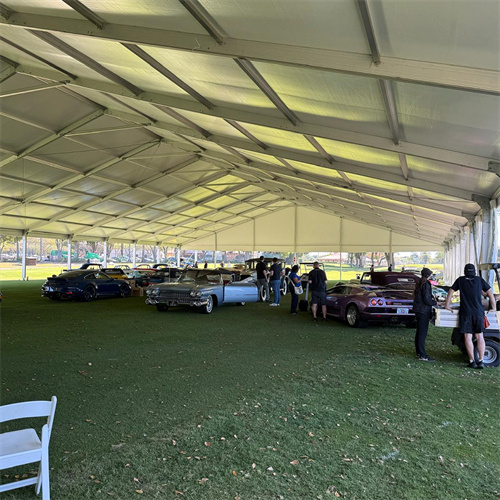 The Advantages of Exhibition Tents in Practical Applications
 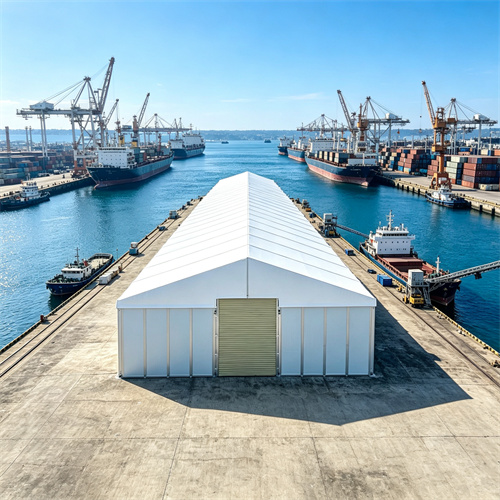 Key Differences Between Warehouse Tent and Traditional Warehouses
 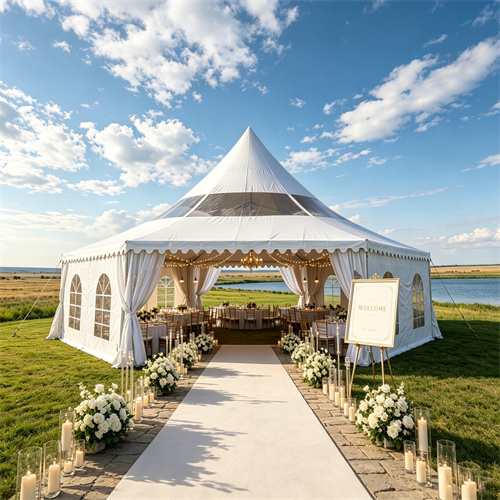 Core Differences Between Heavy‑Duty Marquee and Light Weight Marquee
 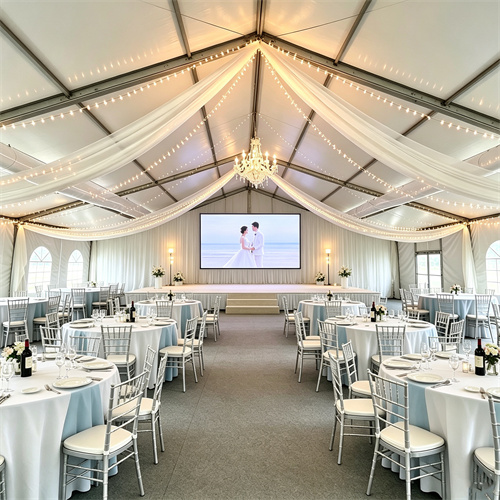 The Relationship Between Marquee Fabric Weight and Service Life
 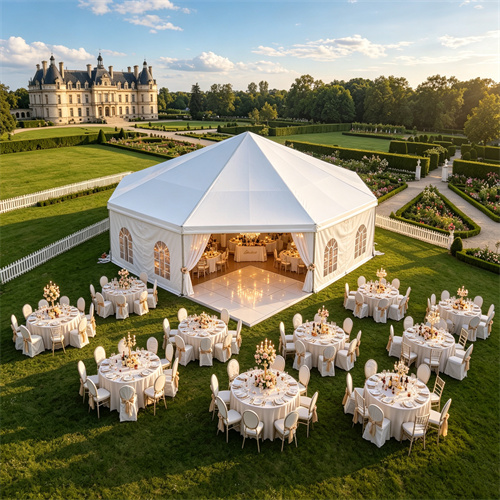 Characteristics and Applications of 850g and 650g PVC Tent Fabric
 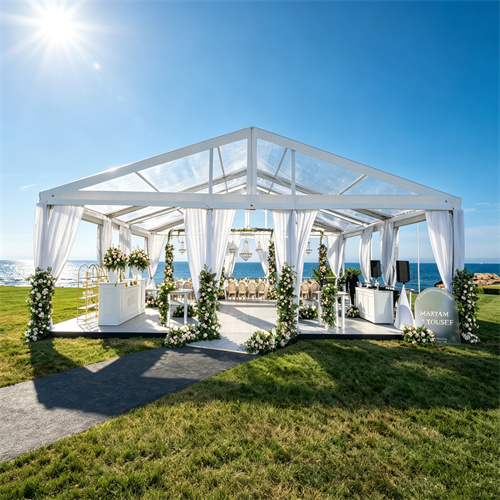 How to Keep Tent Cool and Sun-Safe in Summer?
 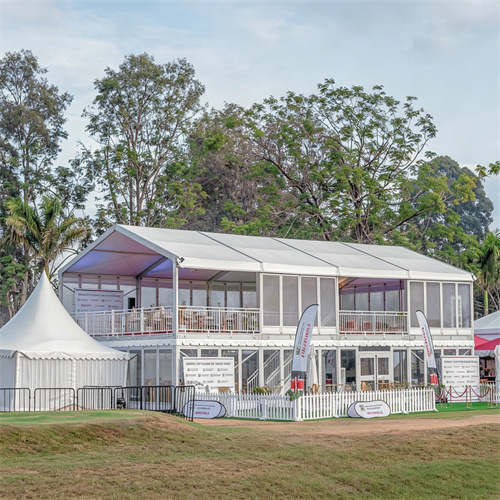 In Which Occasions Are Double-Decker Tents Suitable for Use?
 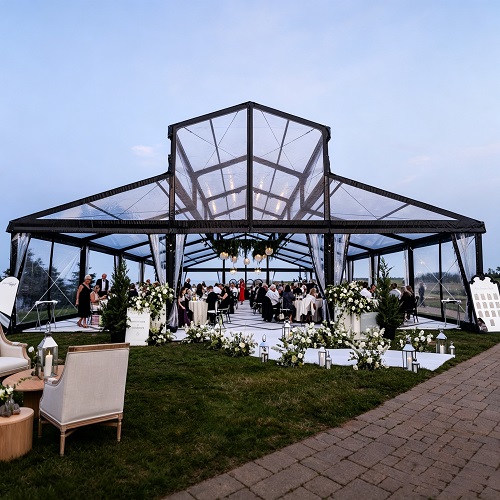 Guide to Marquee Tent Usage, Maintenance and Storage Under Various Weather Conditions
 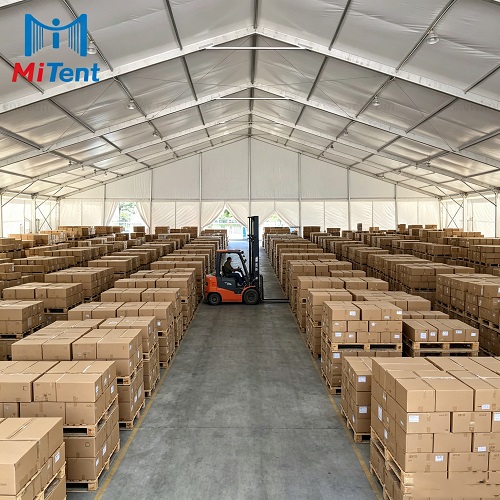 Features and Benefits of Warehouse Tents
  Features and Benefits of Full Transparent Tents
 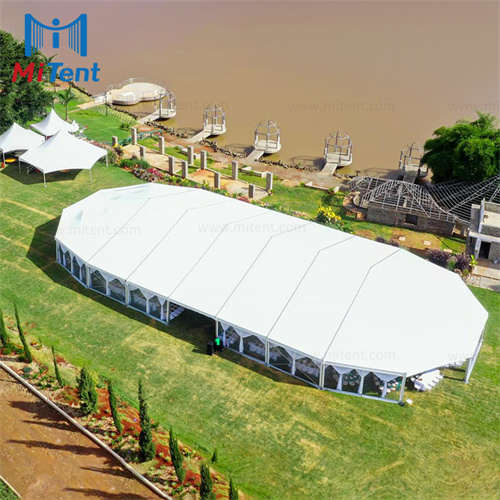 How Should the Outdoor Tent be Maintained in Windy Weather?
  How To Choose A High-Quality Party Tent Suitable for Your Events
 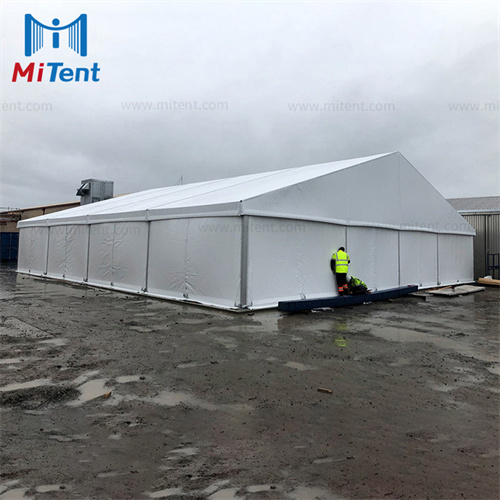 How to Remove Snow from a Tent in Heavy Snow Weather?
 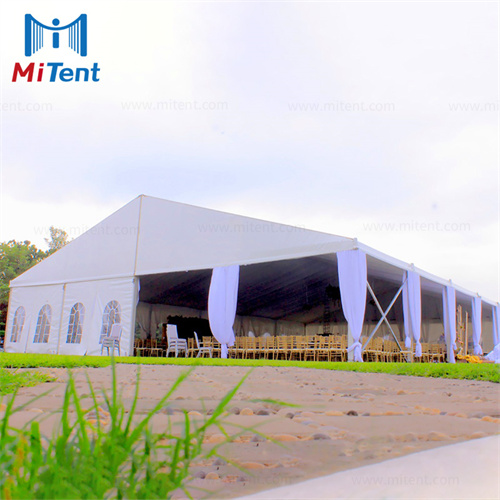 The Achievable Heights of Outdoor Marquees
 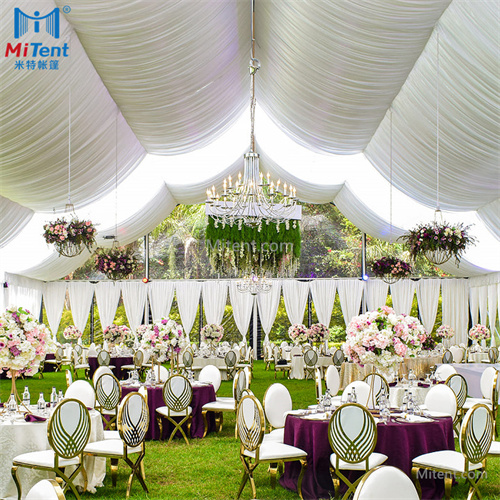 Decoration Techniques for Event Tents in Different Occasions
 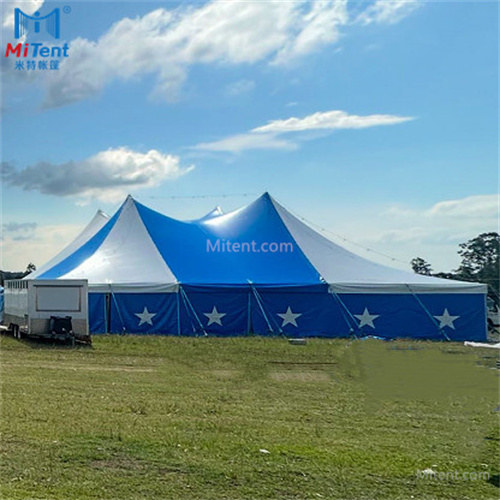 Precautions for Setting Up Outdoor Tents
 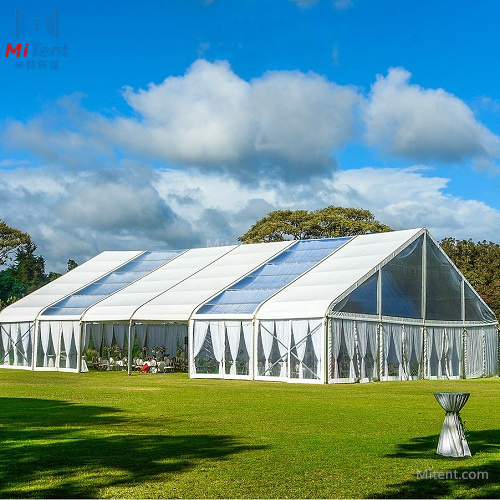 Characteristics and Processing Differences between Transparent PVC and White PVC in Tent Products
 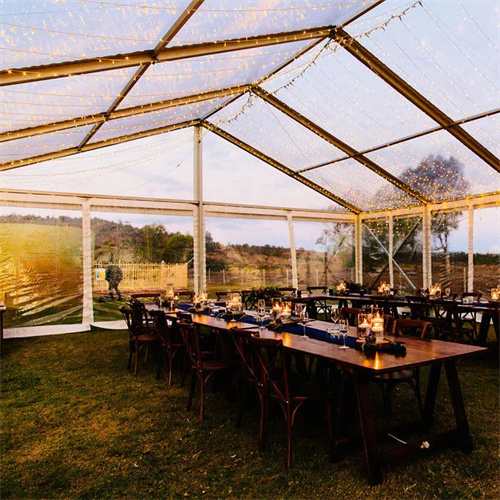 Advantages of Tents Made of Aluminum Alloy
  Key Investment Advantages of a Basketball Sports Tent
  The Double-Decker Tent: Elevating Event Spaces for Grand Occasions