
What are the advantages of warehouse tents in enterprise applications?
2025-10-28
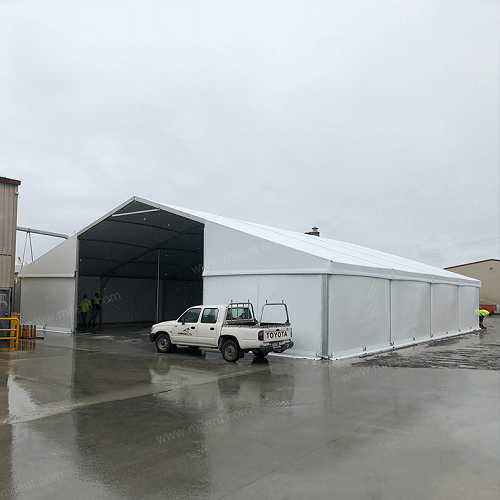
In today's dynamic and fast-paced commercial landscape, agility and efficiency are not just advantages—they are necessities. Companies are constantly seeking flexible, cost-effective solutions to manage their operations, particularly when it comes to storage and workspace. Enter the warehouse tent, a structure that has evolved far beyond its simple origins to become a powerful strategic asset for businesses across numerous industries. These versatile semi-permanent structures offer a compelling alternative to traditional brick-and-mortar buildings, providing a unique blend of flexibility, scalability, and value.
Unmatched Flexibility and Scalability
The most significant advantage of a warehouse tent is its inherent flexibility. Unlike permanent construction, which is fixed in location and size, a storage tent can be erected on virtually any level surface in a matter of days. This allows businesses to respond instantly to fluctuating demands. Whether you need seasonal storage for retail inventory, a temporary warehouse during a facility expansion, or a pop-up distribution hub to serve a new market, a tent structure can be deployed precisely where and when it's needed. Furthermore, their modular nature means they can be easily expanded, reduced, or reconfigured as your requirements change, future-proofing your investment without the commitment of a long-term lease or construction loan.
Significant Cost-Efficiency
From a financial perspective, warehouse tents present a remarkably low barrier to entry. The initial capital investment is a fraction of the cost of constructing a permanent building. This frees up crucial capital that can be redirected towards core business activities like marketing, R&D, or workforce expansion. The savings extend beyond construction; these structures often have lower property taxes and require simpler foundations. Operational costs are also reduced, as modern tent fabrics allow for excellent natural light diffusion during the day, drastically cutting down on electricity needs for lighting. While insulation can be added for climate control, the overall energy expenditure for a large, open space is typically lower than that of a traditional warehouse.
Rapid Deployment and Relocation
Time is a critical resource in business. The lead time for designing, permitting, and constructing a traditional warehouse can span months or even years. A high-quality storage tent, however, can be ordered, delivered, and installed in a matter of weeks. This rapid deployment ensures business continuity, prevents logistical bottlenecks, and allows companies to capitalize on new opportunities without delay. If a business relocates or no longer requires the space at a specific site, the entire structure can be disassembled, transported, and reinstalled elsewhere, protecting your investment and eliminating the sunk cost of an abandoned fixed facility.
Durability and Customization
Modern warehouse tents are engineered for performance and resilience. Constructed with a strong aluminum or steel frame and tensioned with a durable PVC or polyethylene fabric membrane, they are designed to withstand harsh weather conditions, including heavy rain, wind, and snow load. They offer superior protection for inventory, machinery, and equipment from the elements. Contrary to common perception, they are highly customizable. Businesses can integrate features like roller doors, ventilation systems, insulation, lighting, and even office partitions. This allows for the creation of a fully functional, secure, and tailored operational environment suitable for everything from raw material storage and manufacturing to workshops and logistics centers.
In conclusion, the warehouse tent is no longer just a temporary fix; it is a strategic tool for smart business management. It empowers companies to be more agile, efficient, and responsive in an unpredictable market. By offering a unique combination of flexibility, cost savings, speed, and durability, storage tents provide a practical and intelligent solution for businesses looking to optimize their operational footprint without the constraints and high costs of traditional real estate. In the quest for competitive advantage, the ability to adapt quickly is paramount, and warehouse tents provide exactly that—a robust, adaptable space ready to meet the challenges of tomorrow.
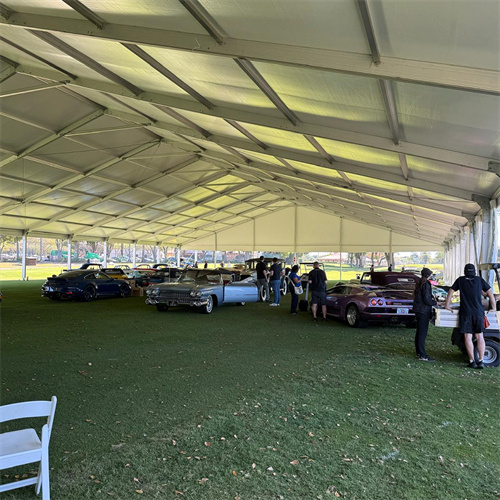 The Advantages of Exhibition Tents in Practical Applications
 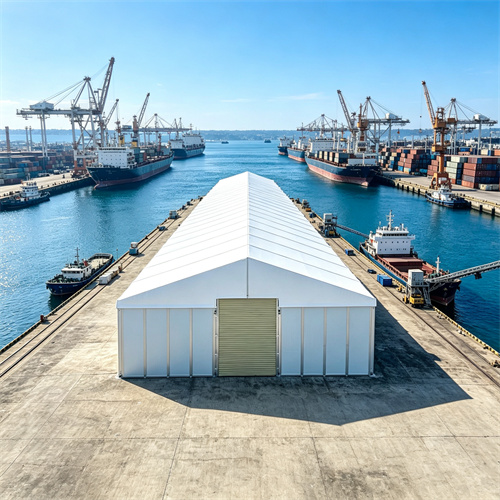 Key Differences Between Warehouse Tent and Traditional Warehouses
 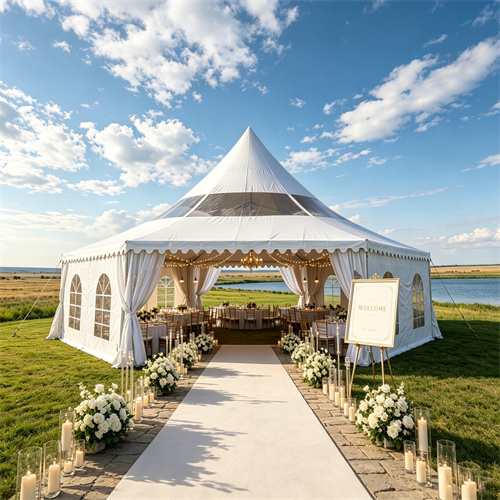 Core Differences Between Heavy‑Duty Marquee and Light Weight Marquee
 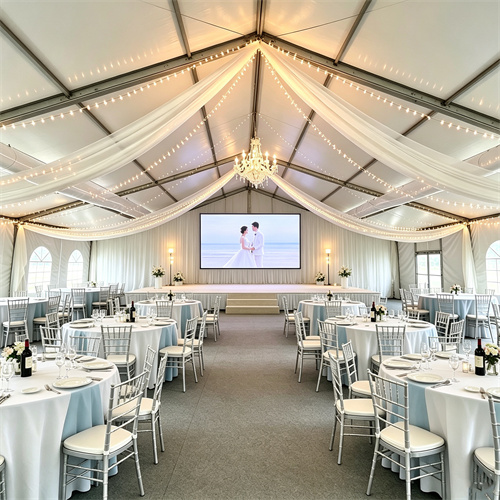 The Relationship Between Marquee Fabric Weight and Service Life
 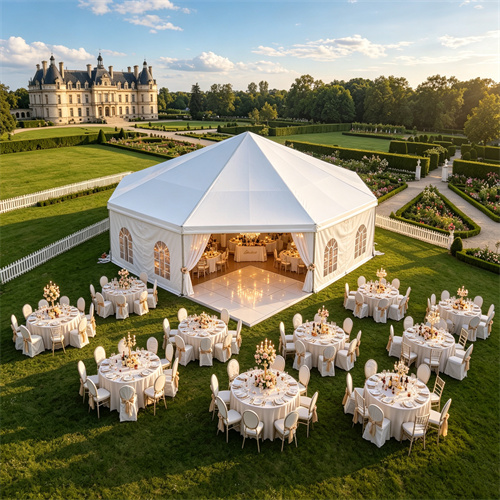 Characteristics and Applications of 850g and 650g PVC Tent Fabric
 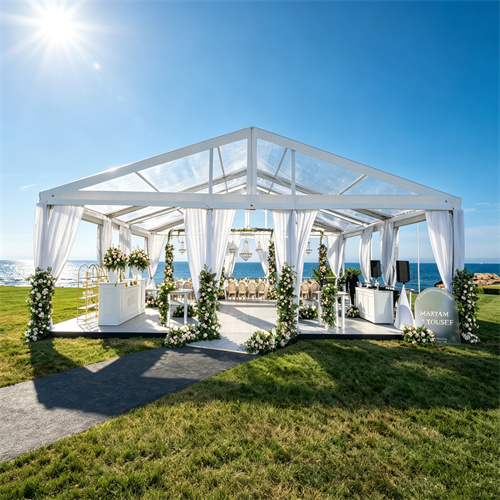 How to Keep Tent Cool and Sun-Safe in Summer?
 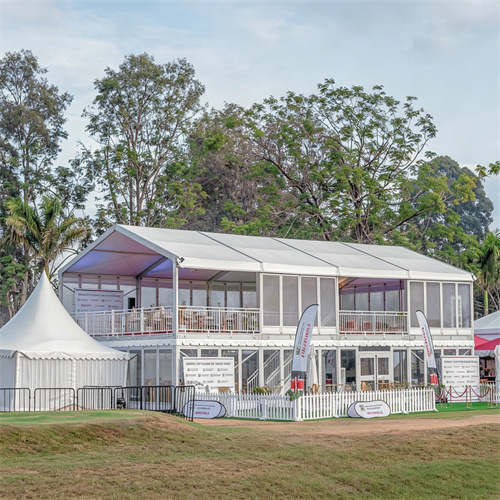 In Which Occasions Are Double-Decker Tents Suitable for Use?
 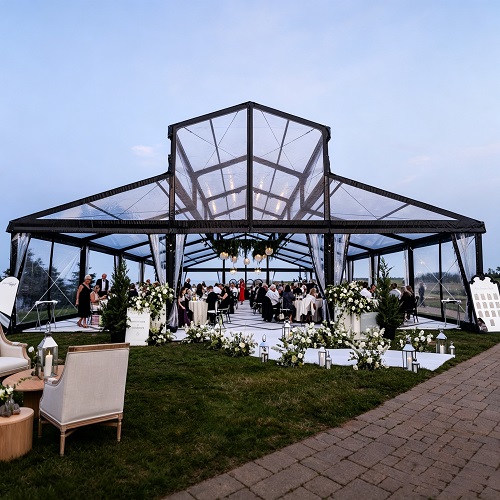 Guide to Marquee Tent Usage, Maintenance and Storage Under Various Weather Conditions
 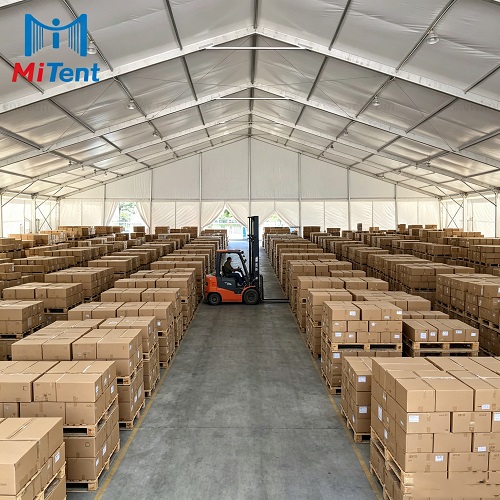 Features and Benefits of Warehouse Tents
  Features and Benefits of Full Transparent Tents
 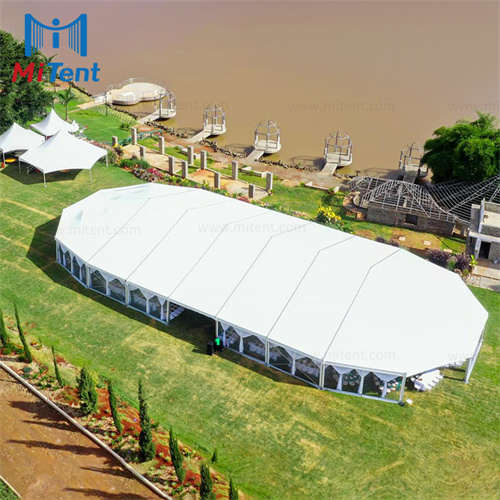 How Should the Outdoor Tent be Maintained in Windy Weather?
  How To Choose A High-Quality Party Tent Suitable for Your Events
 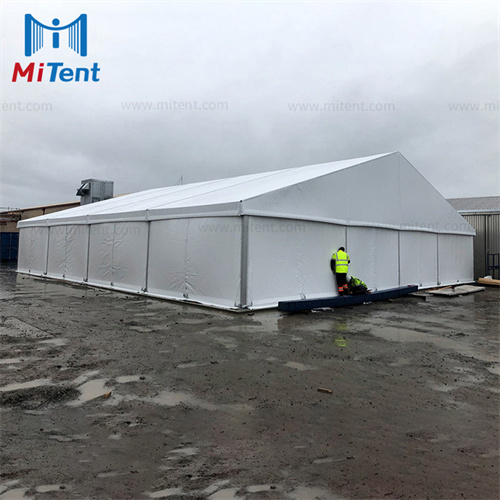 How to Remove Snow from a Tent in Heavy Snow Weather?
  The Achievable Heights of Outdoor Marquees
  Decoration Techniques for Event Tents in Different Occasions
  Precautions for Setting Up Outdoor Tents
  Characteristics and Processing Differences between Transparent PVC and White PVC in Tent Products
  Advantages of Tents Made of Aluminum Alloy
  Key Investment Advantages of a Basketball Sports Tent
  The Double-Decker Tent: Elevating Event Spaces for Grand Occasions