
What are the applications and advantages of double-layer tents?
2025-10-15
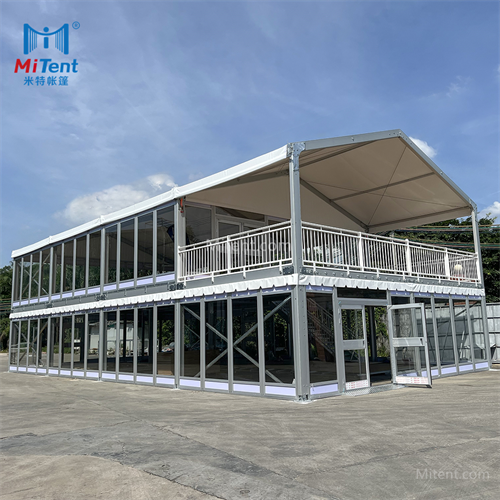
Expanding Upwards: The Power and Potential of Double-Layer Aluminum Frame Tents
In the realm of flexible infrastructure, the aluminum frame tent has long been celebrated for its versatility, speed of deployment, and cost-effectiveness. But as architectural and business demands evolve, so does the technology. A significant innovation in this space is the double-layer tent structure. The answer to the question is a definitive yes: aluminum frame tents can indeed be engineered as double-layer structures, and they offer a powerful solution for a wide range of complex requirements. This design moves beyond simple shelter, creating a highly functional, adaptable, and efficient environment.
What is a Double-Layer Tent?
A double-layer tent, often called a dual-skinned or thermal tent, features two separate layers of PVC or architectural fabric membrane. These layers are stretched over a strong, clear-span aluminum frame with an air gap separating them—typically between 20cm to 50cm. This cavity is the key to the structure's enhanced performance. Unlike a single-layer tent which provides basic protection, the double-layer system creates a sophisticated building envelope with vastly improved environmental characteristics.
Key Advantages and Benefits
The primary benefits of opting for a double-layer structure stem from the insulating properties of the air gap and the strength of the dual-skin design.
1.Superior Thermal Insulation and Climate Control
This is the most significant advantage. The sealed air gap acts as a highly effective buffer against external temperatures. In summer, it drastically reduces solar heat gain, keeping the interior cooler. In winter, it prevents internal heat from escaping, maintaining a warmer environment. This thermal efficiency translates into substantial energy savings, as HVAC systems require far less energy to maintain a comfortable temperature compared to a single-layer tent. This makes activities comfortable and viable year-round, regardless of the external climate.
2.Enhanced Condensation Control
Single-layer tents can suffer from condensation, where moisture from the interior air condenses on the cooler inner surface of the fabric. In a double-layer system, the temperature differential between the interior and exterior is managed within the cavity. The inner layer remains much closer to the interior temperature, virtually eliminating the "cold surface" where condensation forms. This protects sensitive inventory, equipment, and creates a more pleasant environment for occupants.
3.Exceptional Durability and Weather Resistance
The dual-skin construction offers unparalleled resilience. It provides exceptional resistance to wind, snow, and even hail. The structure can handle higher snow loads as the air gap provides an additional thermal buffer that can help prevent snow from melting and re-freezing into heavy ice. The two layers also work together to dissipate wind forces, making the entire structure more stable and secure in severe weather conditions.
4. Improved Acoustic Performance
The air gap between the two fabric layers acts as a sound dampening barrier. It significantly reduces external noise pollution, such as traffic, wind, or rain, creating a quieter internal atmosphere. Conversely, it also contains internal noise, making it an ideal solution for events with live music, construction sites in urban areas, or noisy industrial processes where sound mitigation is a priority.
5.Professional Aesthetics and Lighting
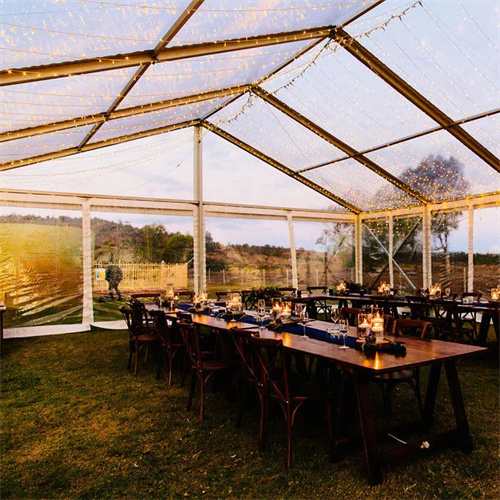
The double-layer system offers a cleaner, more polished interior look as cables and lighting can be strategically hidden within the cavity, creating a soft, diffused glow without glare. Externally, the structure often appears more substantial and permanent, projecting a professional image.
Applications of Double-Layer Tents
The unique benefits of these structures make them suitable for advanced applications where a single-layer tent would be inadequate:
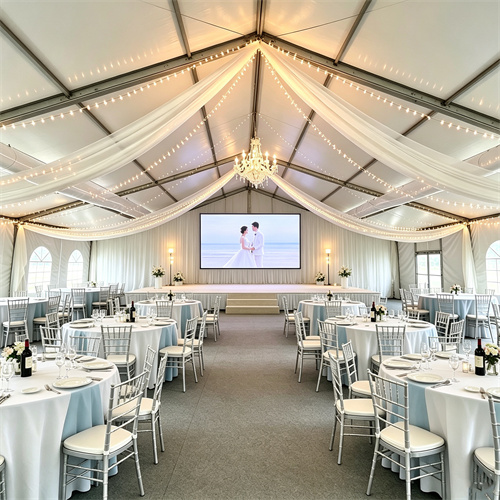
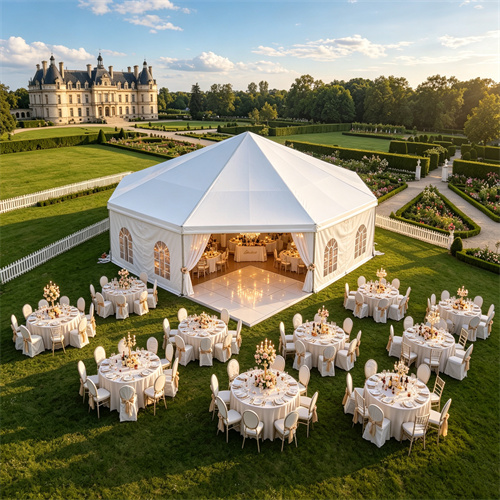
All-Season Event Venues: Weddings, exhibitions, corporate functions, and winter festival hubs that require stable, comfortable temperatures and no condensation.
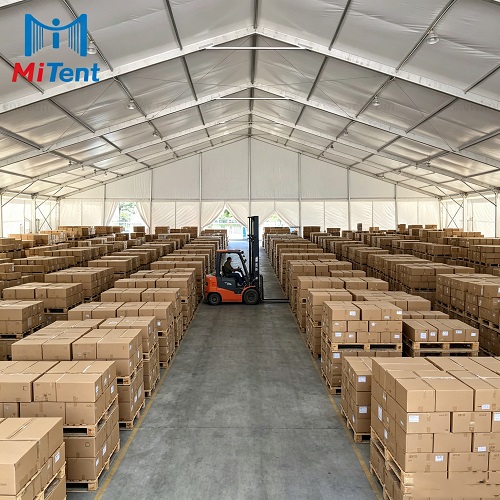
High-Value Storage and Warehousing: Perfect for temperature-sensitive goods, pharmaceuticals, electronics, archival documents, and fine art that require a stable, dry environment.
Industrial and Manufacturing Workshops: Provides a comfortable workspace for employees year-round, protects machinery from condensation-related corrosion, and contains noise.
Sports Facilities: Indoor tennis courts, equestrian riding arenas, and swimming pool covers that need to maintain specific temperatures and prevent dripping condensation.
Temporary Field Hospitals and Emergency Response: Offers a rapidly deployable yet climatically controlled environment for patient care and storage of medical supplies.
In conclusion, the double-layer aluminum frame tent is a testament to the innovation in temporary and semi-permanent structures. It is no longer just a shelter but a sophisticated, energy-efficient, and highly functional environment that solves the practical challenges of temperature management, condensation, and durability, enabling its use in a far wider and more demanding range of professional applications.
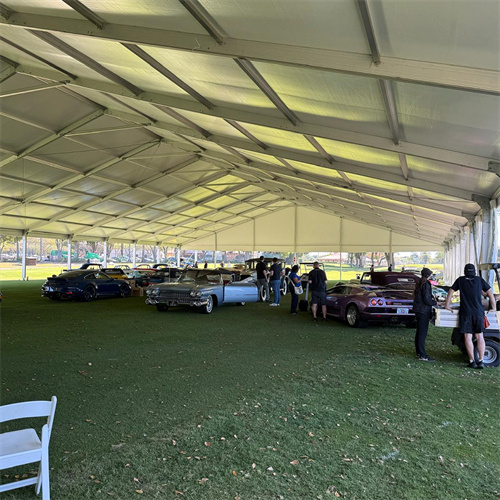 The Advantages of Exhibition Tents in Practical Applications
 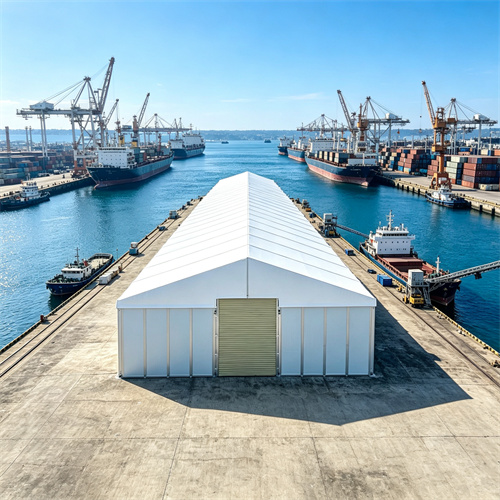 Key Differences Between Warehouse Tent and Traditional Warehouses
 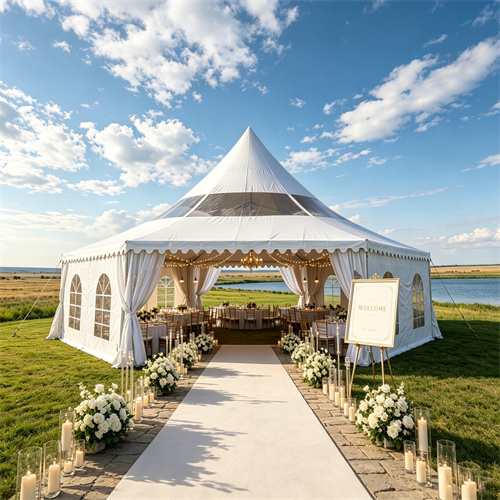 Core Differences Between Heavy‑Duty Marquee and Light Weight Marquee
  The Relationship Between Marquee Fabric Weight and Service Life
  Characteristics and Applications of 850g and 650g PVC Tent Fabric
  How to Keep Tent Cool and Sun-Safe in Summer?
  In Which Occasions Are Double-Decker Tents Suitable for Use?
  Guide to Marquee Tent Usage, Maintenance and Storage Under Various Weather Conditions
  Features and Benefits of Warehouse Tents
  Features and Benefits of Full Transparent Tents
  How Should the Outdoor Tent be Maintained in Windy Weather?
  How To Choose A High-Quality Party Tent Suitable for Your Events
  How to Remove Snow from a Tent in Heavy Snow Weather?
 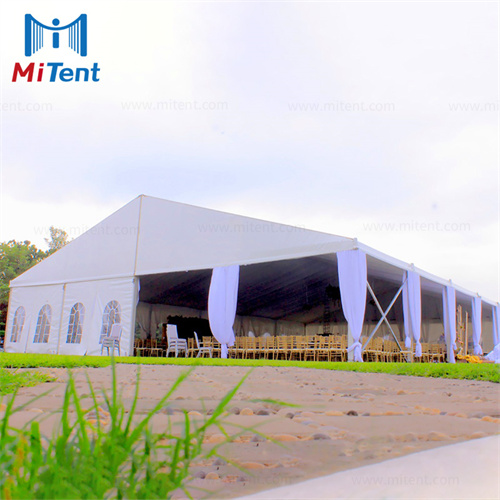 The Achievable Heights of Outdoor Marquees
 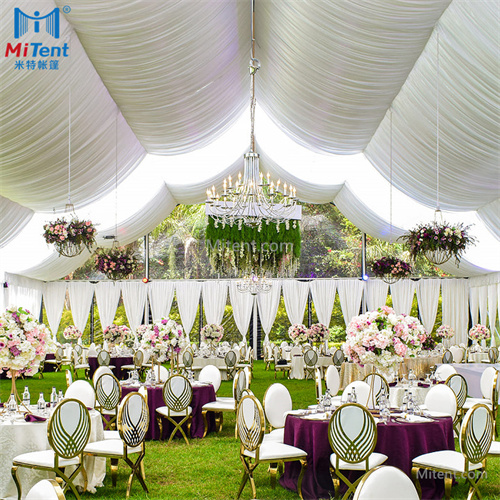 Decoration Techniques for Event Tents in Different Occasions
 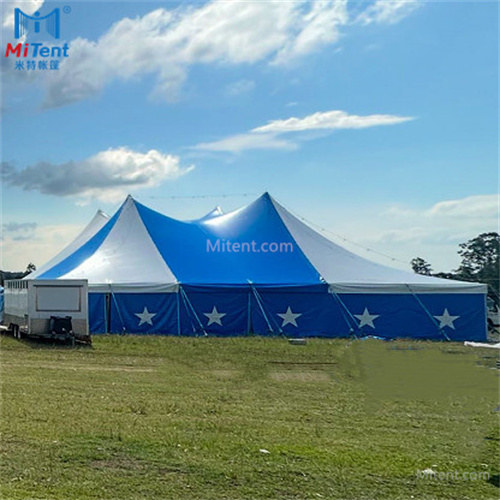 Precautions for Setting Up Outdoor Tents
 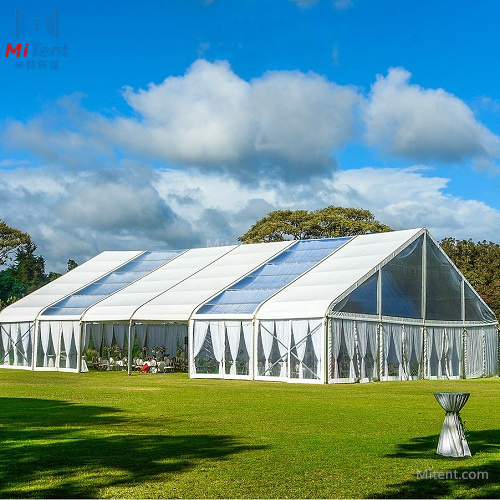 Characteristics and Processing Differences between Transparent PVC and White PVC in Tent Products
  Advantages of Tents Made of Aluminum Alloy
  Key Investment Advantages of a Basketball Sports Tent
  The Double-Decker Tent: Elevating Event Spaces for Grand Occasions