
How the outdoor event tent withstand typhoon weather?

1.Select supports and covering fabric that meet the standards.
Choose materials with high strength and corrosion resistance, such as high-quality aluminum alloy frames and double-sided PVC synthetic fiber cloth. These materials have good wind resistance and durability. Ensure that the structural design of the tent is reasonable, can disperse wind pressure and reduce single-point stress. For example, use stable triangular or quadrilateral structures, increase support columns and crossbeams, and improve overall stability. Ensure that the cross-sectional size of the main profile of frame matches the span size of the tent, which can effectively resist lateral wind pressure, ensure the stability and wind resistance of the entire tent. High-quality PVC tent cloth has high fracture strength, high tensile elongation, and high tear strength, with good wind resistance, and can effectively resist wind pressure and avoid tearing of the tent fabric by strong winds.
2.Need to strengthen the fixation and support of the tent structure.
Use tools such as ground nails, expansion screws, steel stakes, and professional load-bearing plates to firmly fix the tent frame on the ground. If conditions permit, appropriate weight can be added as a counterbalance, or reinforcement measures such as steel cables can be used. Add support columns around the tent to disperse wind pressure, especially on the leeward side, to increase the overall stability and wind resistance of the tent structure. Thicker or multiple columns can be selected to increase the supporting force, but it is important to avoid too large an angle with the ground. The edges of the tent fabric should be firmly fixed to the ground or support frame to ensure that the fabric will not be blown away or torn under wind pressure. Ropes or steel wires can also be used to fix the tent fabric.
3.Take other protective measures.
Installing windproof covers at the entrance of the tent can effectively prevent sand or rainwater from entering, while also increasing the stability of the tent. Digging drainage ditches around the tent, the drainage ditches should have a certain slope to ensure that rainwater can be quickly discharged, avoiding water damage to the tent. Before the arrival of typhoon weather, avoid stacking items around the tent to prevent these items from being blown away or damaged by the wind, and also prevent these items from collapsing and causing damage to the tent.
4.Regular Inspection and Maintenance.
Regularly inspecting and maintaining the tent includes checking the stability of the main structure, tightening screws, and checking the integrity of the tent fabric. Any problems found should be repaired in a timely manner. Regular maintenance of the tent includes cleaning the tent fabric, replacing damaged parts, and repairing any ruptures in the fabric to prevent wind from entering the tent. Tensioning the tent fabric tightly to form a closed space will help maintain the tent in good condition.
5.To deal with extreme situations.
After receiving a typhoon warning, timely measures should be taken, such as strengthening tent structures and removing vulnerable components. Stay alert to the latest weather alerts. In extreme situations, if it is expected that the tent structure cannot withstand the impact of the typhoon, evacuate people and demolish or move the tent structure to a safe area in a timely manner.
Many businesses like to hold celebrations or events outdoors, but they cannot avoid the impact of the weather. The appearance of tents solves these problems, not only meeting the requirements of size and specifications, but also making guests want to stay longer. Although tents can resist certain weather problems, preparations should be made in response to typhoon weather, such as reinforcing or dismantling tents according to the actual weather conditions, to ensure the safety of the event.
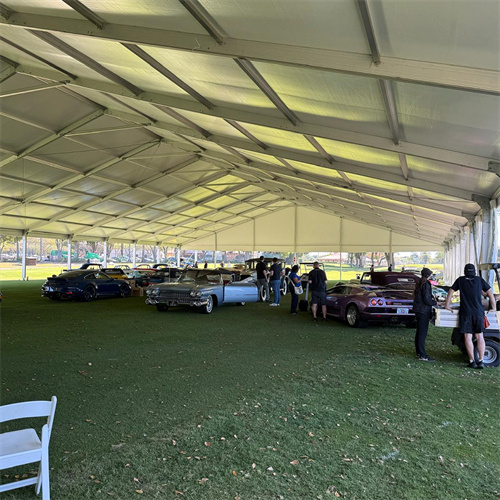 The Advantages of Exhibition Tents in Practical Applications
 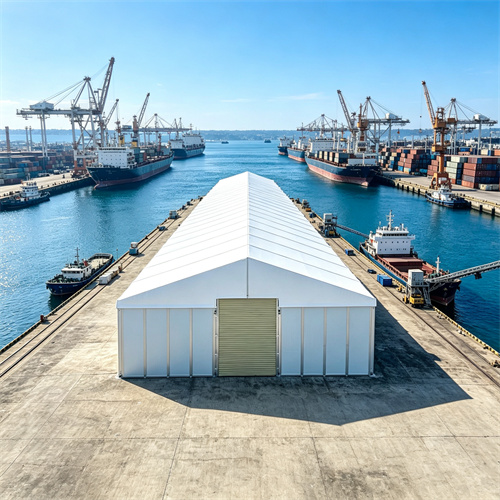 Key Differences Between Warehouse Tent and Traditional Warehouses
 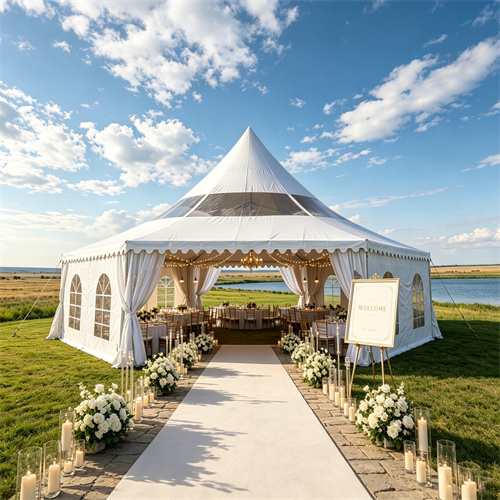 Core Differences Between Heavy‑Duty Marquee and Light Weight Marquee
 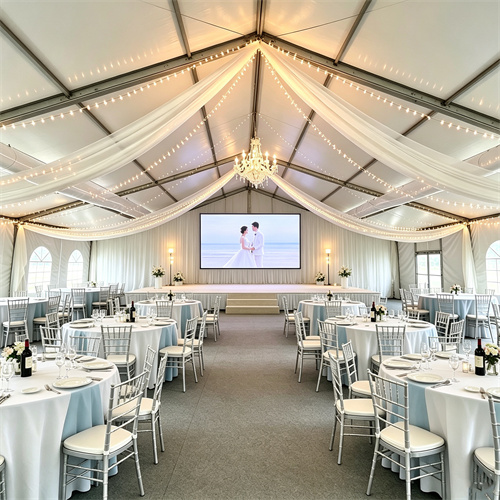 The Relationship Between Marquee Fabric Weight and Service Life
  Characteristics and Applications of 850g and 650g PVC Tent Fabric
 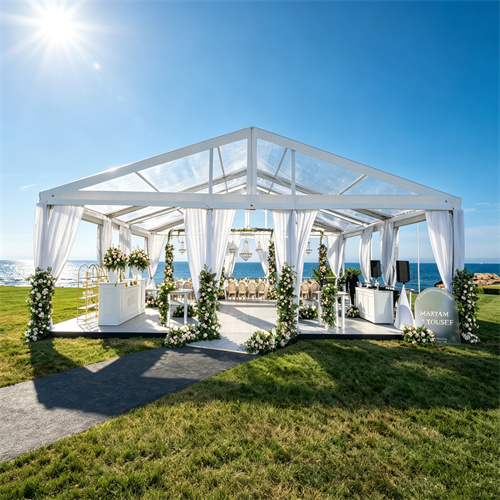 How to Keep Tent Cool and Sun-Safe in Summer?
 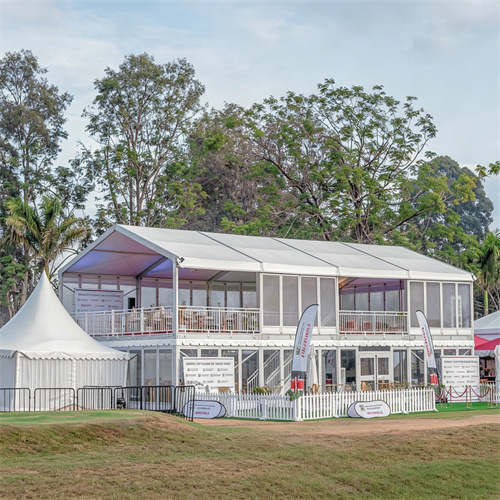 In Which Occasions Are Double-Decker Tents Suitable for Use?
 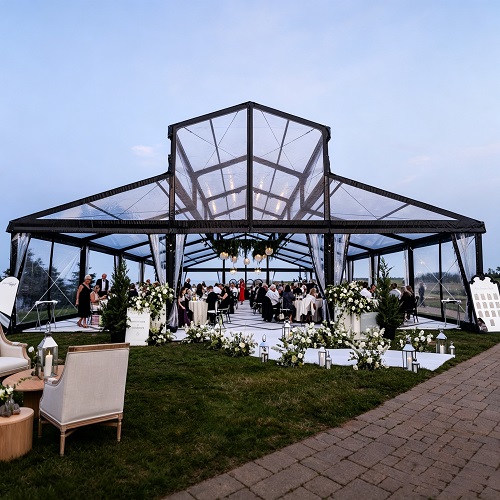 Guide to Marquee Tent Usage, Maintenance and Storage Under Various Weather Conditions
 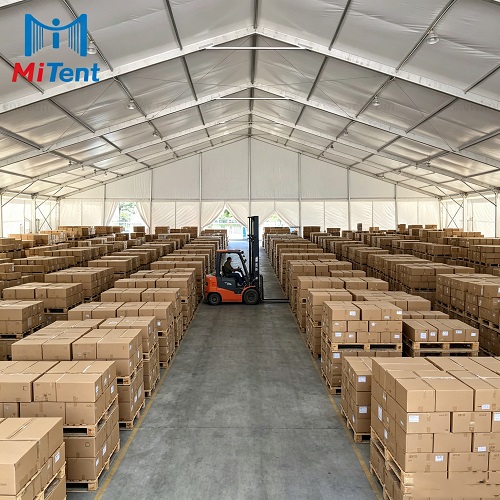 Features and Benefits of Warehouse Tents
  Features and Benefits of Full Transparent Tents
 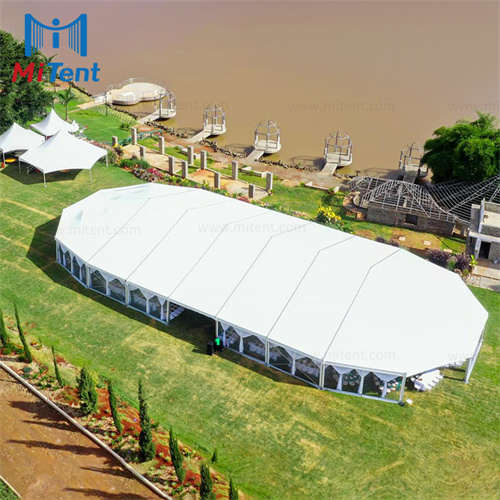 How Should the Outdoor Tent be Maintained in Windy Weather?
  How To Choose A High-Quality Party Tent Suitable for Your Events
 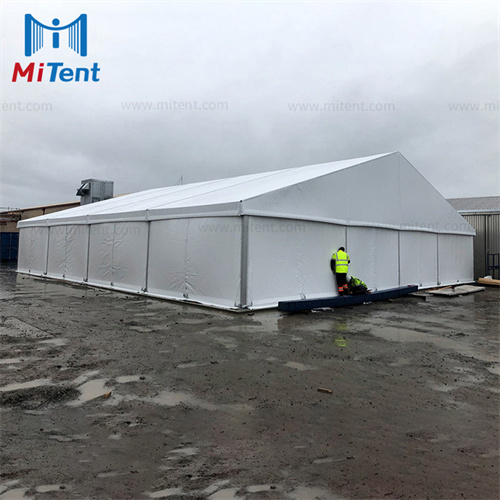 How to Remove Snow from a Tent in Heavy Snow Weather?
 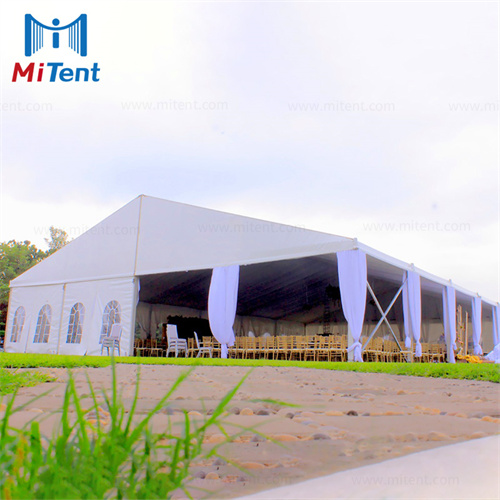 The Achievable Heights of Outdoor Marquees
 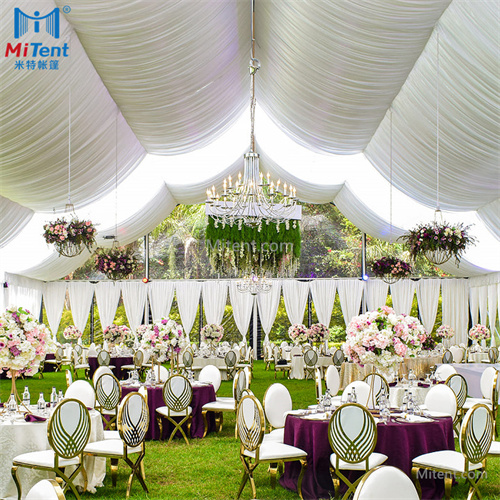 Decoration Techniques for Event Tents in Different Occasions
  Precautions for Setting Up Outdoor Tents
  Characteristics and Processing Differences between Transparent PVC and White PVC in Tent Products
  Advantages of Tents Made of Aluminum Alloy
  Key Investment Advantages of a Basketball Sports Tent
  The Double-Decker Tent: Elevating Event Spaces for Grand Occasions