
MiTent Warehouse Tent - Flexible, Durable, Customizable
2024-01-05
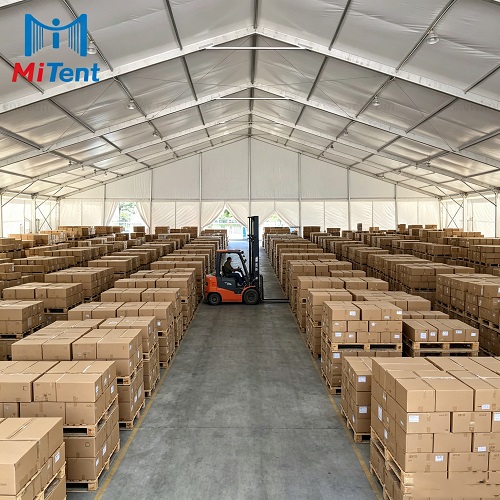
Looking for extra space to store products, equipment, or machinery? A warehouse tent might be the solution for you. Compared to a traditional warehouse, a warehouse tent has several advantages, such as flexibility, durability, and customization. In this article, we will take a closer look at the benefits of warehouse tents, the types of tents that can be used, the materials used for construction, the options for sidewalls, and the practical applications in daily life and industry.
1) Advantages of Warehouse Tents
Warehouse tents are portable and can be easily erected or dismantled in a short amount of time. This makes them ideal for temporary storage solutions, and they can be adapted to suit changing needs such as seasonal fluctuations in stock. They are also a great option for businesses who need to store their products or equipment on a temporary basis while they move to a new location.
2) Types of Tents for Warehouses
There are many different types of tents that can be used for warehouse purposes, ranging from simple canopy tents to multi-story structures. The most common types are A-frame and dome-shaped tents. The former is ideal for smaller storage spaces or as an extension to an existing building, while the latter provides a more spacious environment for larger equipment or higher storage capacity.
3) Materials Used in Construction
The materials used for warehouse tents are usually high-quality aluminum frames and a durable PVC fabric for the roof covering. The fabric is UV-resistant and waterproof, which means it can withstand harsh weather conditions such as heavy rain, snow, and wind. A good quality fabric cover will also prevent mold and mildew from growing on stored goods. Additionally, the frames are designed to be sturdy and withstand wind loads up to 100 km/h.
4) Options for sidewalls
Warehouse tents can be made with several options for walls. The most common type of wall is a PVC fabric, similar to the roof covering. However, some warehouses may prefer a solid wall made of steel or aluminum, such as sandwich walls and ABS walls. These walls are great for added security and give a more permanent feel to the structure. Other options may include clear PVC windows, adding natural light and visibility into the tent.
5) Applications in Daily Life and Industry
Warehouse tents have a wide range of practical applications. They can be used for commercial purposes such as storage for produce, machinery and equipment, or as temporary warehouse space during busy seasonal periods. They can also be used for humanitarian purposes such as emergency shelters during natural disasters or refugee camps in crisis situations. Additionally, they can be used in the military for storage of supplies and equipment or as field hospitals.
In today's world, flexibility and adaptability are essential for businesses to survive and thrive. The warehouse tent is an excellent alternative to traditional warehouse space. It provides companies with the flexibility to meet their storage needs quickly and easily and can be customized to their specific requirements. The tent's structure will also withstand harsh weather conditions with a minimal risk of damage to products, equipment, or machinery.
In summary, warehouse tents offer flexibility, durability, and customization for businesses that require temporary or long-term storage solutions. The various options for types, materials, and walls make them a versatile and practical option for a variety of needs in daily life and industry. Whether you require extra storage space for storing your products, equipment, or machinery, or a temporary shelter for emergency situations, warehouse tents are a reliable and efficient storage solution.
1) Advantages of Warehouse Tents
Warehouse tents are portable and can be easily erected or dismantled in a short amount of time. This makes them ideal for temporary storage solutions, and they can be adapted to suit changing needs such as seasonal fluctuations in stock. They are also a great option for businesses who need to store their products or equipment on a temporary basis while they move to a new location.
2) Types of Tents for Warehouses
There are many different types of tents that can be used for warehouse purposes, ranging from simple canopy tents to multi-story structures. The most common types are A-frame and dome-shaped tents. The former is ideal for smaller storage spaces or as an extension to an existing building, while the latter provides a more spacious environment for larger equipment or higher storage capacity.
3) Materials Used in Construction
The materials used for warehouse tents are usually high-quality aluminum frames and a durable PVC fabric for the roof covering. The fabric is UV-resistant and waterproof, which means it can withstand harsh weather conditions such as heavy rain, snow, and wind. A good quality fabric cover will also prevent mold and mildew from growing on stored goods. Additionally, the frames are designed to be sturdy and withstand wind loads up to 100 km/h.
4) Options for sidewalls
Warehouse tents can be made with several options for walls. The most common type of wall is a PVC fabric, similar to the roof covering. However, some warehouses may prefer a solid wall made of steel or aluminum, such as sandwich walls and ABS walls. These walls are great for added security and give a more permanent feel to the structure. Other options may include clear PVC windows, adding natural light and visibility into the tent.
5) Applications in Daily Life and Industry
Warehouse tents have a wide range of practical applications. They can be used for commercial purposes such as storage for produce, machinery and equipment, or as temporary warehouse space during busy seasonal periods. They can also be used for humanitarian purposes such as emergency shelters during natural disasters or refugee camps in crisis situations. Additionally, they can be used in the military for storage of supplies and equipment or as field hospitals.
In today's world, flexibility and adaptability are essential for businesses to survive and thrive. The warehouse tent is an excellent alternative to traditional warehouse space. It provides companies with the flexibility to meet their storage needs quickly and easily and can be customized to their specific requirements. The tent's structure will also withstand harsh weather conditions with a minimal risk of damage to products, equipment, or machinery.
In summary, warehouse tents offer flexibility, durability, and customization for businesses that require temporary or long-term storage solutions. The various options for types, materials, and walls make them a versatile and practical option for a variety of needs in daily life and industry. Whether you require extra storage space for storing your products, equipment, or machinery, or a temporary shelter for emergency situations, warehouse tents are a reliable and efficient storage solution.
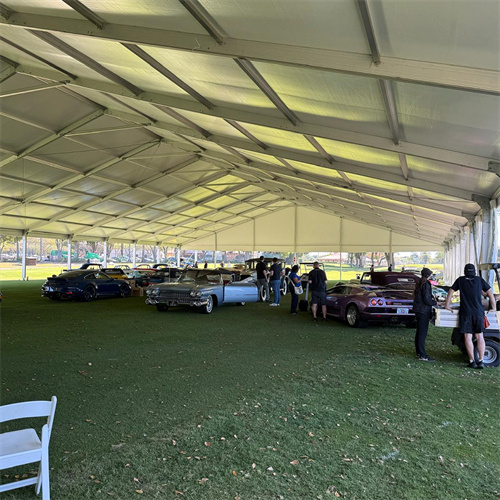 The Advantages of Exhibition Tents in Practical Applications
 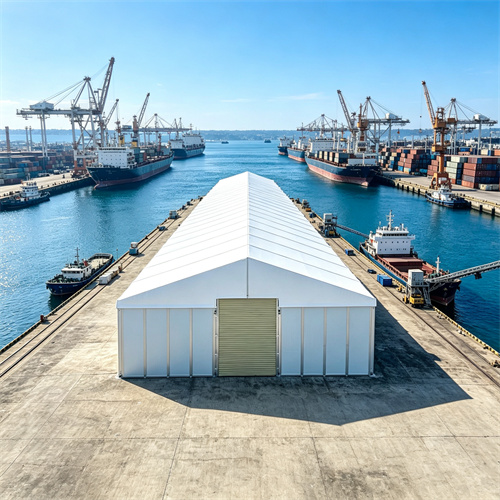 Key Differences Between Warehouse Tent and Traditional Warehouses
 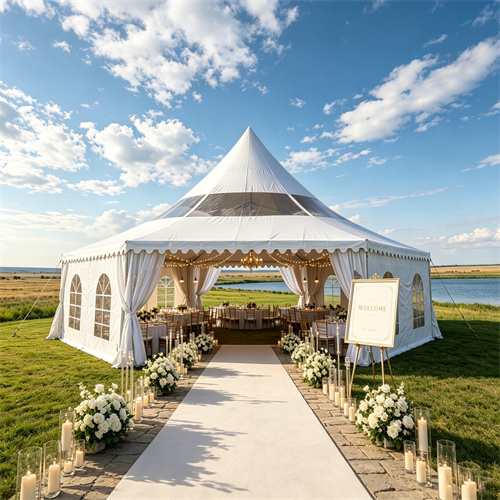 Core Differences Between Heavy‑Duty Marquee and Light Weight Marquee
 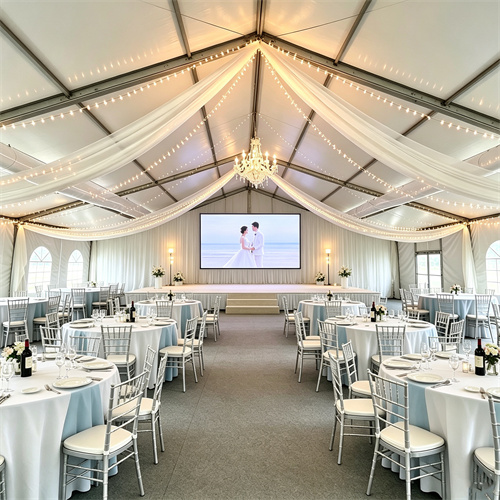 The Relationship Between Marquee Fabric Weight and Service Life
 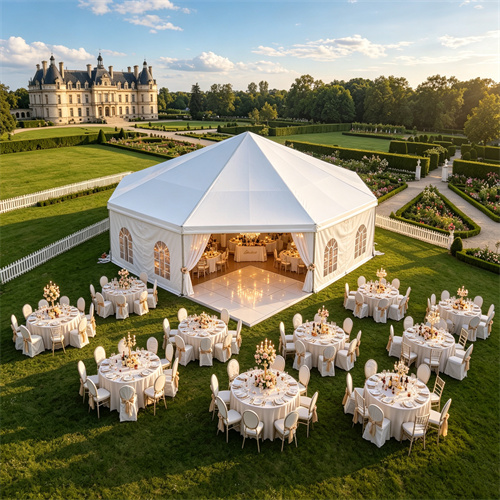 Characteristics and Applications of 850g and 650g PVC Tent Fabric
 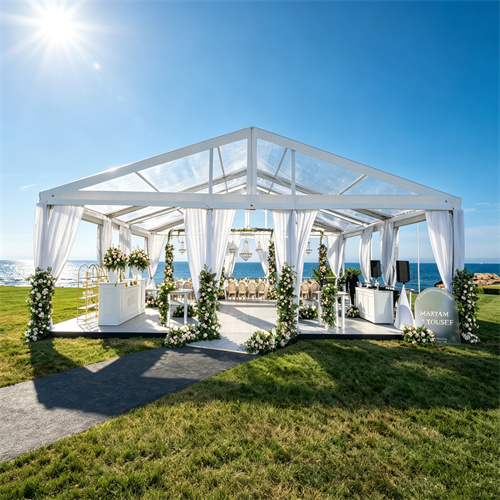 How to Keep Tent Cool and Sun-Safe in Summer?
 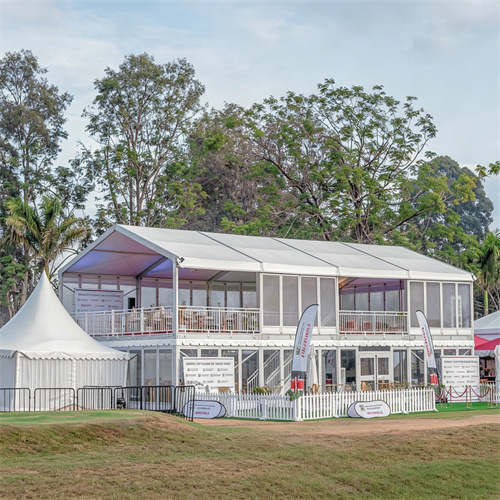 In Which Occasions Are Double-Decker Tents Suitable for Use?
 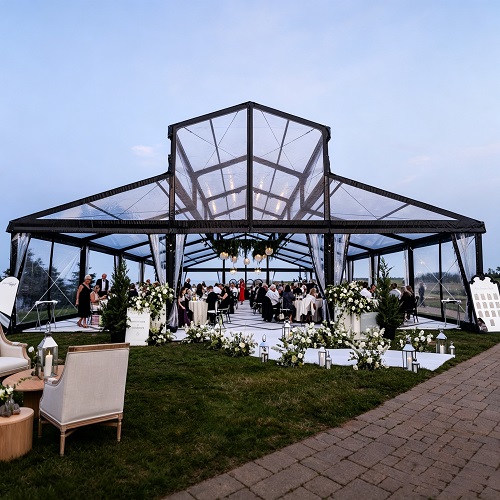 Guide to Marquee Tent Usage, Maintenance and Storage Under Various Weather Conditions
  Features and Benefits of Warehouse Tents
  Features and Benefits of Full Transparent Tents
  How Should the Outdoor Tent be Maintained in Windy Weather?
  How To Choose A High-Quality Party Tent Suitable for Your Events
  How to Remove Snow from a Tent in Heavy Snow Weather?
  The Achievable Heights of Outdoor Marquees
 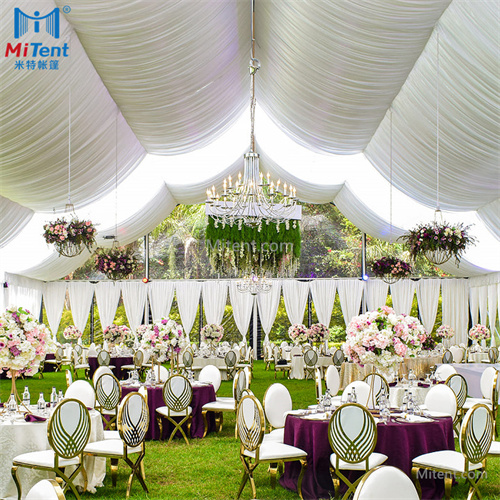 Decoration Techniques for Event Tents in Different Occasions
 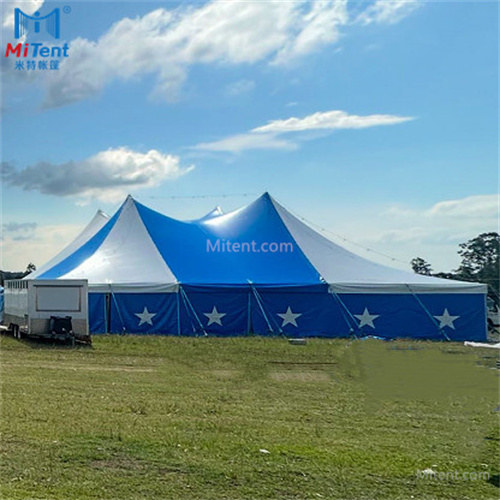 Precautions for Setting Up Outdoor Tents
 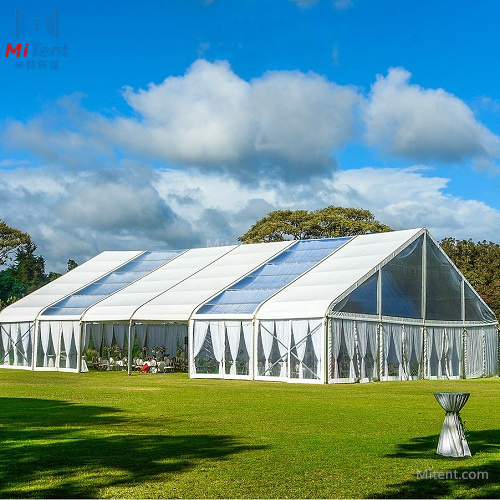 Characteristics and Processing Differences between Transparent PVC and White PVC in Tent Products
 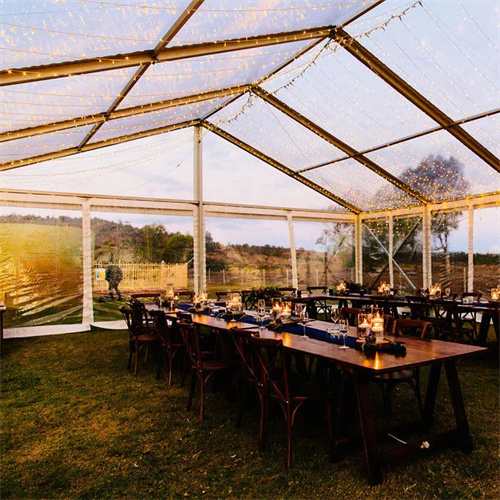 Advantages of Tents Made of Aluminum Alloy
  Key Investment Advantages of a Basketball Sports Tent
  The Double-Decker Tent: Elevating Event Spaces for Grand Occasions