
Difference Between Standard PVC Fabric and Low-Temperature Resistant PVC Fabric
2026-11-24
PVC tarpaulin is widely used for tents, cargo covers, outdoor shelters and other products. Standard PVC fabric and low-temperature resistant PVC fabric look quite similar in appearance, yet they differ greatly in formula composition, low-temperature mechanical performance and application scenarios. For tent products exported to cold regions, the low-temperature resistance indicator is critical, as it directly affects product safety and the risk of after-sales claims.
The fundamental difference lies in the plasticizer formula. PVC resin is rigid by nature and gains flexibility with the addition of plasticizers. Standard PVC adopts general-purpose plasticizers together with conventional stabilizers and a high proportion of fillers. This formula is designed to keep costs under control while meeting basic performance requirements such as waterproofing, tensile strength and mildew resistance at ambient temperatures. However, such ordinary plasticizers lose molecular activity rapidly in cold conditions, making the fabric stiff and brittle. In contrast, low-temperature resistant PVC uses cold-resistant plasticizers such as adipates and sebacates, compounded with special low-temperature modifiers. Manufacturers also reduce the amount of calcium carbonate filler appropriately. This formulation ensures the polymer chains remain flexible even under frigid conditions, which is the key reason the fabric resists cracking at low temperatures.
Their mechanical performance in cold environments is the most obvious distinction. Standard PVC normally works reliably within the temperature range of approximately -5℃ to +60℃. When exposed to temperatures persistently below -5℃, the fabric turns rigid. White crease marks will appear where it is folded. After repeated bending and stress, cracks can easily form. For tents under snow load and strong wind, stress points and heat-welded seams are vulnerable to damage and water leakage. Low-temperature resistant PVC is available in different grades, capable of withstanding -20℃, -30℃ or even lower temperatures depending on specifications. It retains good flexibility under its rated low temperature, with only minor loss of tensile and tear strength. Manufacturers commonly verify this property through low-temperature impact brittleness tests. Standard samples tend to crack under impact at low temperatures, while qualified cold-resistant tarpaulin stays intact.
There are also gaps in auxiliary performance and cost. Plasticizers in standard PVC migrate faster. With long-term sun exposure, the fabric is prone to surface blooming, discoloration and ageing. Premium low-temperature resistant formulations are usually equipped with UV stabilizers and high-performance heat stabilizers, delivering better anti-ageing performance. Nevertheless, cold-resistant plasticizers carry a much higher price tag. For fabric of the same weight and colour, low-temperature resistant PVC costs more. Some low-cost cold-resistant formulations may suffer from plasticizer migration if additives are poorly balanced, leaving oily residue on the surface and impairing heat welding and printing adhesion.
These two fabrics serve separate application fields. Standard PVC features outstanding cost performance. It is suitable for temperate and subtropical areas, commonly used for tents, temporary hoardings and yard covers where sustained severe cold is not expected. Low-temperature resistant PVC targets cold high-latitude regions such as Canada and Central Asia. It is the preferred material for outdoor tents and snow engineering covers that must survive heavy snow and continuous freezing weather. Brittle fabric failure under such conditions can compromise the whole tent structure, so overseas buyers often put this performance item under strict inspection.
They cannot be processed in exactly the same way either. Due to the different additive system of low-temperature resistant PVC, heat welding temperature and running speed need adjustment. If manufacturers apply the same welding parameters used for standard PVC, weak welds will form, and those seams may split in cold weather. Standard PVC has well-established welding procedures and a wider processing tolerance.
In summary, low-temperature resistant PVC is not simply a thicker version of standard PVC. Its advantage comes from modified additives that maintain toughness at low temperatures. When selecting materials, match the fabric based on the target market's minimum temperature and wind/snow load requirements. Avoid blindly choosing high-temperature-resistant fabrics to inflate costs, and refrain from using ordinary PVC in extremely cold markets
 The Complete Process of Tent Installation
 Why Temporary Tents Are Ideal for Ice and Snow Sports Events
 The Advantages of Exhibition Tents in Practical Applications
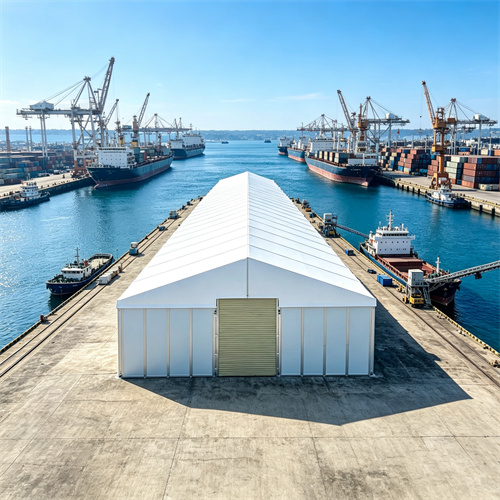 Key Differences Between Warehouse Tent and Traditional Warehouses
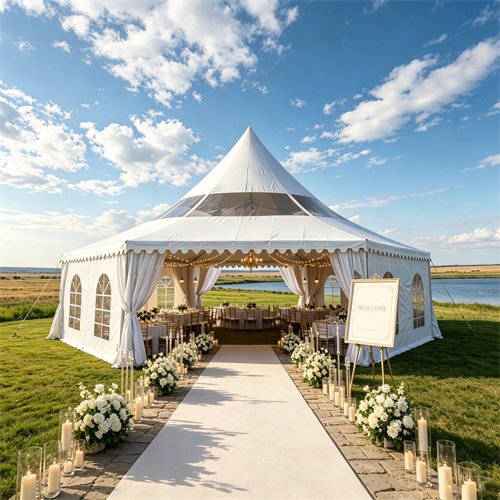 Core Differences Between Heavy‑Duty Marquee and Light Weight Marquee
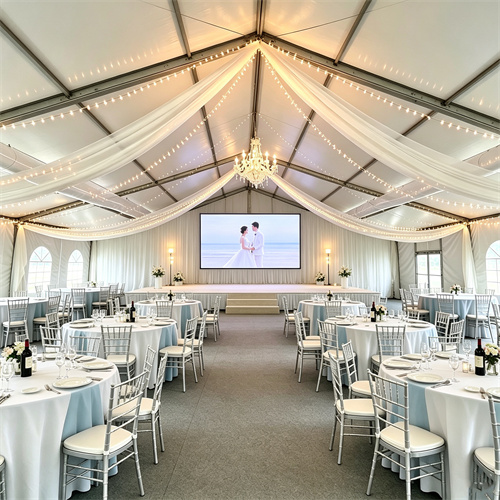 The Relationship Between Marquee Fabric Weight and Service Life
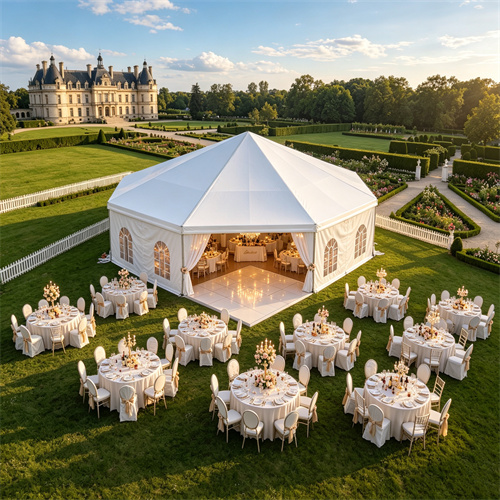 Characteristics and Applications of 850g and 650g PVC Tent Fabric
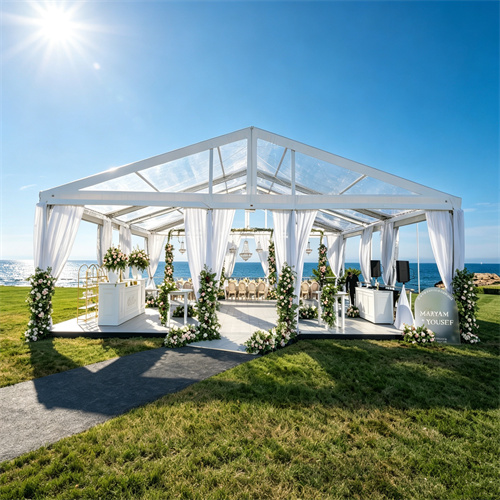 How to Keep Tent Cool and Sun-Safe in Summer?
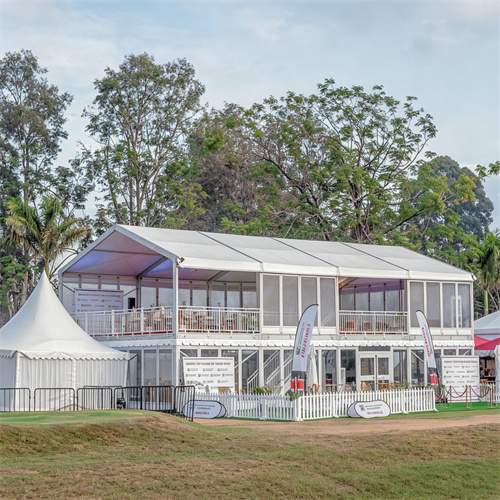 In Which Occasions Are Double-Decker Tents Suitable for Use?
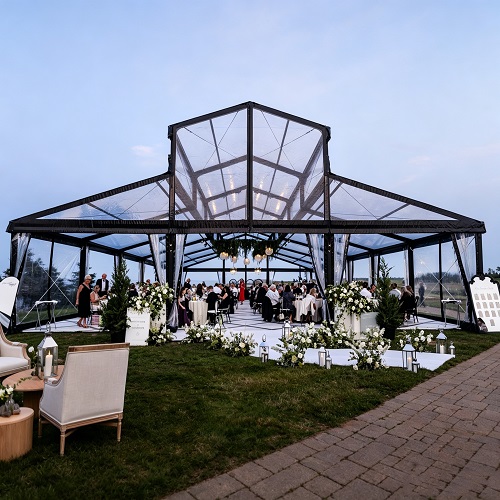 Guide to Marquee Tent Usage, Maintenance and Storage Under Various Weather Conditions
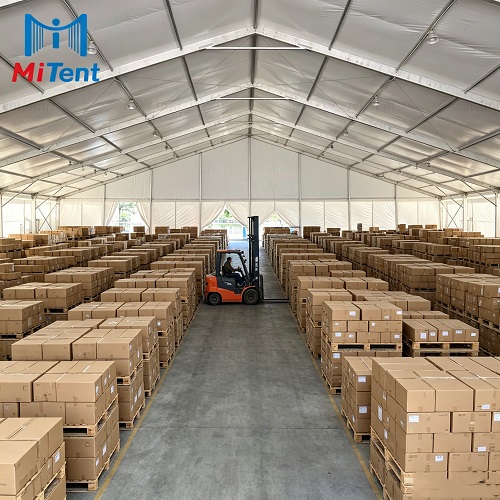 Features and Benefits of Warehouse Tents
 Features and Benefits of Full Transparent Tents
 How Should the Outdoor Tent be Maintained in Windy Weather?
 How To Choose A High-Quality Party Tent Suitable for Your Events
 How to Remove Snow from a Tent in Heavy Snow Weather?
 The Achievable Heights of Outdoor Marquees
 Decoration Techniques for Event Tents in Different Occasions
 Precautions for Setting Up Outdoor Tents
 Characteristics and Processing Differences between Transparent PVC and White PVC in Tent Products
 Advantages of Tents Made of Aluminum Alloy