
The Complete Process of Tent Installation
2026-11-03
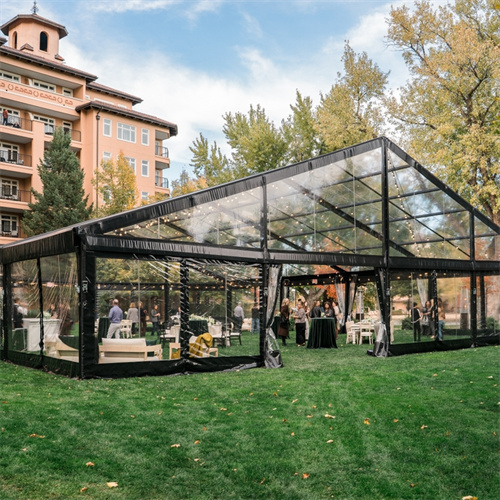
The installation of a temporary event tent or industrial warehouse tent is a systematic, safety-oriented project that requires professional planning, standardized operation and strict inspection. A complete tent erection process usually includes site preparation, foundation positioning, frame assembly, cover installation, fixing reinforcement, accessory installation and final acceptance, which ensures the tent is stable, firm and ready for use.
First and foremost is site preparation and inspection. Before construction, the installation team will survey and level the construction site, removing sharp objects, stones, debris and uneven soil to avoid damaging the tent fabric and affecting stability. At the same time, workers check the underground pipelines, cables and surrounding facilities to prevent potential safety hazards. The site must have enough space for material placement and construction operation, and keep the ground dry and solid.
The second step is foundation positioning and fixing. According to the design drawings, technicians mark the accurate position of the tent with ink lines and measuring tools to ensure the size and angle are correct. For different ground conditions, different fixing methods are adopted: concrete ground uses expansion screws, lawn or soft soil uses ground anchors and steel plates, and asphalt ground uses weight plates. This step is the basis of the entire tent structure, directly determining its stability.
Next comes frame assembly and erection. The tent frame is usually made of aluminum alloy or steel. Workers connect the main beams, columns, diagonal braces and other components one by one with professional fasteners, following the order from the main structure to the auxiliary parts. The assembled frame is slowly lifted by manual or mechanical tools and fixed to the pre-installed base. During this process, the level and verticality of the frame are adjusted repeatedly to ensure the stress is balanced.
Then is tarpaulin covering and tightening. The PVC tent fabric is spread over the assembled frame, and the edges and corners are aligned accurately. Workers pull the tarpaulin flat evenly and fix it to the frame with special straps, zippers or aluminum alloy pressure strips. It is strictly forbidden to pull the fabric forcibly to avoid tearing. After covering, the tarpaulin should be flat and tight without wrinkles or water accumulation.
The fifth step is overall reinforcement and wind resistance treatment. Workers install diagonal braces, cross braces and wind ropes to further strengthen the tent structure, especially in areas with large wind power. All connecting parts, screws and fixing devices are checked and tightened one by one to ensure no looseness. The drainage system of the tent is also sorted out to ensure smooth rainwater discharge.
After the main structure is completed, it is the accessory installation stage, including doors, windows, flooring, lighting, ventilation equipment, air conditioning and other facilities according to customer needs. These accessories improve the functionality and comfort of the tent, making it suitable for events, exhibitions, warehouses and other scenarios.
Finally, comprehensive inspection and acceptance. The installation team conducts a full inspection of the tent's structure, fixing, fabric and accessories, checking for potential risks. After passing the inspection, the project is handed over to the user. The entire tent erection process emphasizes professionalism, safety and standardization, and can be completed efficiently only with experienced teams and strict operation.
 Core Differences Between Heavy‑Duty Marquee and Light Weight Marquee
 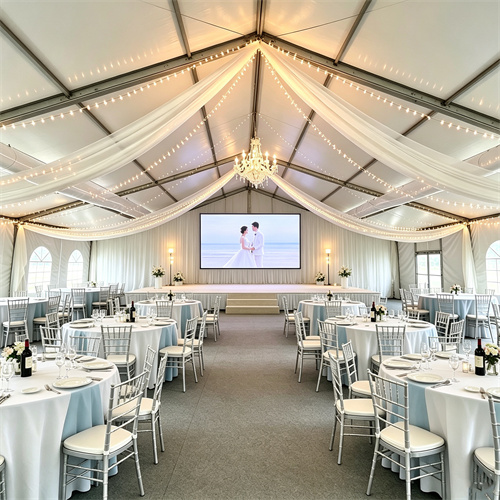 The Relationship Between Marquee Fabric Weight and Service Life
  Characteristics and Applications of 850g and 650g PVC Tent Fabric
 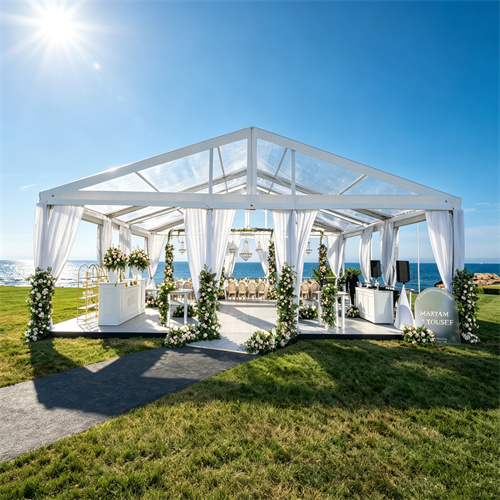 How to Keep Tent Cool and Sun-Safe in Summer?
 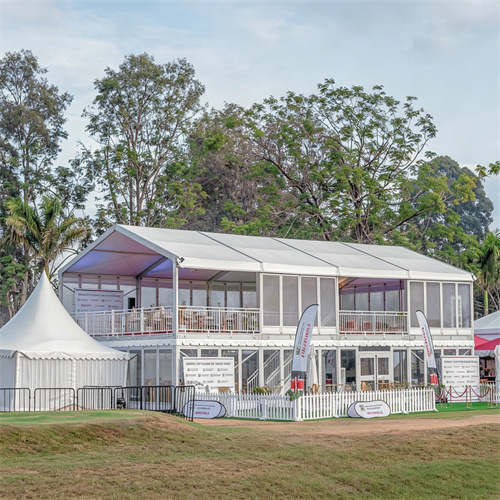 In Which Occasions Are Double-Decker Tents Suitable for Use?
  Guide to Marquee Tent Usage, Maintenance and Storage Under Various Weather Conditions
  Features and Benefits of Warehouse Tents
  Features and Benefits of Full Transparent Tents
  How Should the Outdoor Tent be Maintained in Windy Weather?
  How To Choose A High-Quality Party Tent Suitable for Your Events
  How to Remove Snow from a Tent in Heavy Snow Weather?
 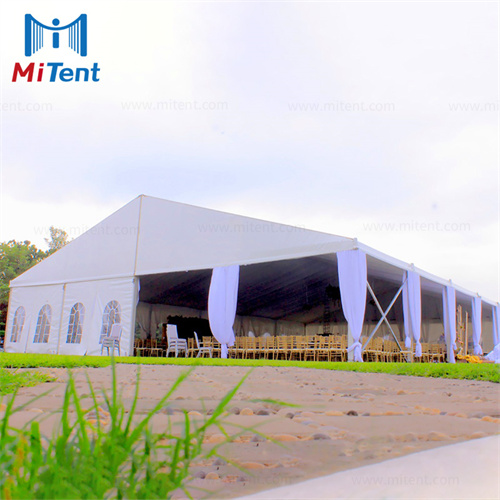 The Achievable Heights of Outdoor Marquees
 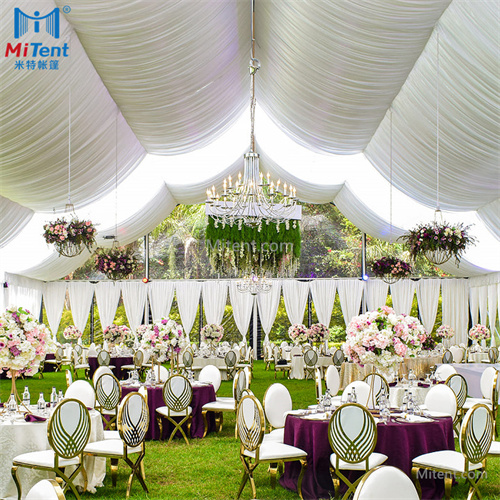 Decoration Techniques for Event Tents in Different Occasions
 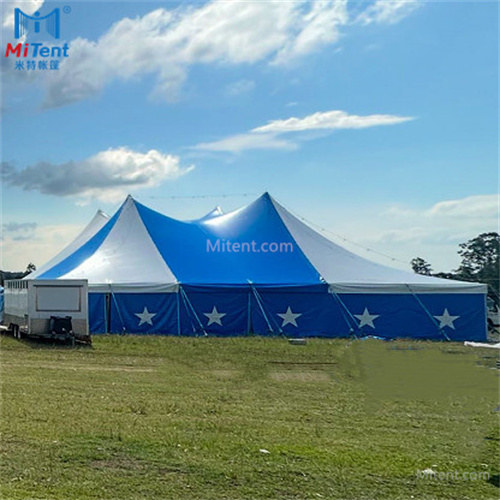 Precautions for Setting Up Outdoor Tents
 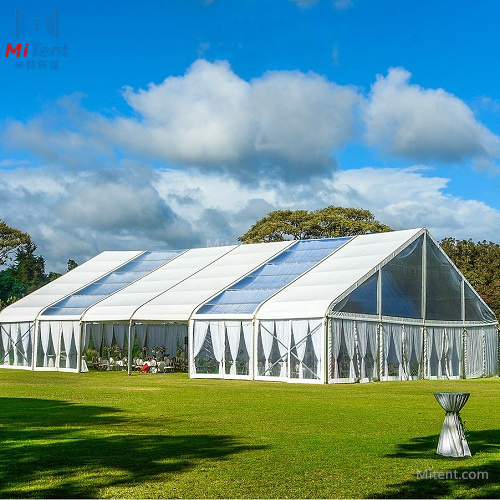 Characteristics and Processing Differences between Transparent PVC and White PVC in Tent Products
  Advantages of Tents Made of Aluminum Alloy
  Key Investment Advantages of a Basketball Sports Tent
  The Double-Decker Tent: Elevating Event Spaces for Grand Occasions
  How to Choose a Warehouse Tent with Safety as the Top Priority
  The Use Site and Specific Purpose of PVC Aluminum Alloy Tents