
How to Clean Dirt from Tent PVC Fabric
2026-12-01

PVC tarpaulin is widely adopted for tents and protective covers due to its waterproof and wear-resistant properties. Nevertheless, its surface easily accumulates dust, oil stains, mould, water marks left by rainwater and moss. As a coated textile, PVC fabric requires cleaning methods distinctly different from ordinary textiles. Improper cleaning can damage the surface coating, trigger plasticizer migration, make the fabric sticky, cause colour fading or even cracking. In particular, low-temperature resistant PVC fabric contains a special additive system and is more sensitive to strongly corrosive cleaning agents. Therefore, it is necessary to adopt targeted solutions according to different types of dirt and standardize the whole cleaning process.
First of all, it is essential to classify dirt. Loose dust and sediment are light stains and the most common type. The second category is greasy stains, including machine oil and animal or vegetable grease. Then there are water stains, mould spots and moss, which frequently appear on tarpaulins stored in damp conditions for a long time. Besides, stubborn marks such as paint and adhesive residues also occur occasionally. Different dirt calls for corresponding cleaning agents and operations. It is not advisable to clean all stains with strong alkaline detergents indiscriminately.
The basic cleaning procedure applies to dust and mud stains. Cold or room-temperature clean water is the first choice. Use a soft sponge or soft brush to wipe gently along the texture of the fabric. Steel wool and stiff brushes are forbidden, as abrasive tools will scratch the PVC coating and leave tiny scratches. These scratches will trap dirt more easily later and may lead to water leakage. A small amount of neutral detergent with a pH value close to 7 can be added after dilution. After wiping, the fabric must be thoroughly rinsed with clean water to remove residual foam. Detergent residue left on the fabric will accelerate ageing and discoloration under sunlight and induce plasticizer bleeding.
Oil stains are relatively difficult to remove. Light oil stains can be treated with diluted neutral dish soap. Apply the solution on the stain, leave it for several minutes and then wipe softly. For heavy oil contamination, use special cleaners designed for PVC or vinyl materials. Apply a small amount on the stained area, wipe gently and rinse off immediately with clean water. Acetone, banana oil, paint thinner and strong alkaline bleach are strictly prohibited. These solvents will dissolve the top coating of PVC and damage heat-welded seams. Once low-temperature resistant fabric comes into contact with such chemicals, its low-temperature performance will deteriorate significantly.
Extra caution is needed when dealing with mould spots and moss. Mould hyphae cling tightly inside the gaps of the coating and cannot be removed thoroughly by simple washing. Low-concentration food-grade hydrogen peroxide or professional anti-mould cleaners for PVC are recommended. Wipe the affected area locally, wait for a short while and rinse completely. Chlorine bleach such as 84 disinfectant should never be used, because it will fade the fabric and make the coating brittle. After cleaning, place the tarpaulin in a well-ventilated and shaded area to dry. Prolonged direct exposure to strong sunlight is not allowed. The combined effect of UV rays and chemical residues will greatly shorten the service life of the fabric.
For stubborn adhesive traces and permanent marker marks, test a small spot with dedicated vinyl adhesive remover first to confirm that it will not cause corrosion or colour loss before full-scale application.
Post-cleaning finishing and maintenance are equally important. Natural air drying in shade is optimal. High-temperature heating and intense sun exposure should be avoided. Do not fold and store the tarpaulin until it is completely dry. If sealed with moisture trapped inside, mould will grow again rapidly. In daily use, minimize long-term contact with machine oil, fertilizers, acidic and alkaline chemicals to avoid heavy contamination.
To sum up, the core principles for PVC cleaning are: prioritize mild treatment, handle stains separately, avoid strong solvents, rinse sufficiently and store only after full drying. Many after-sales complaints do not stem from fabric defects, but from improper cleaning agents used by end users.
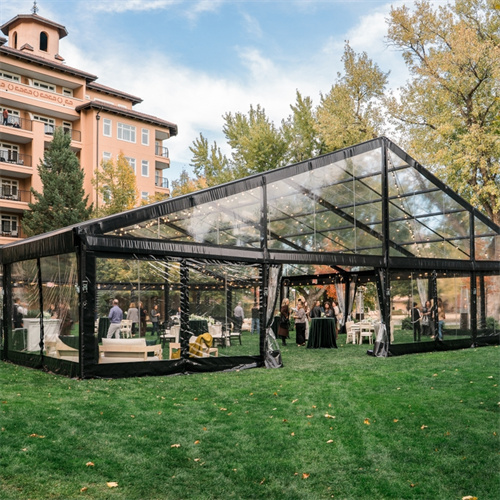 The Complete Process of Tent Installation
 Why Temporary Tents Are Ideal for Ice and Snow Sports Events
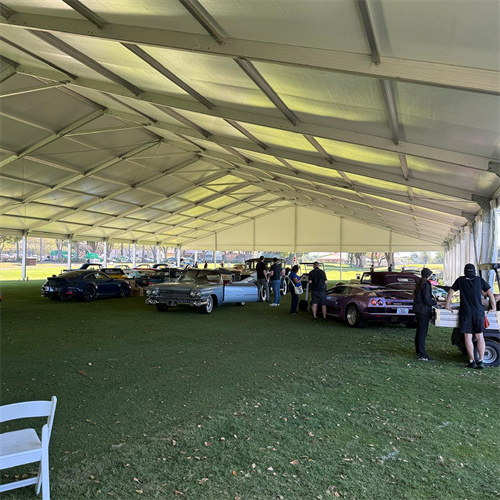 The Advantages of Exhibition Tents in Practical Applications
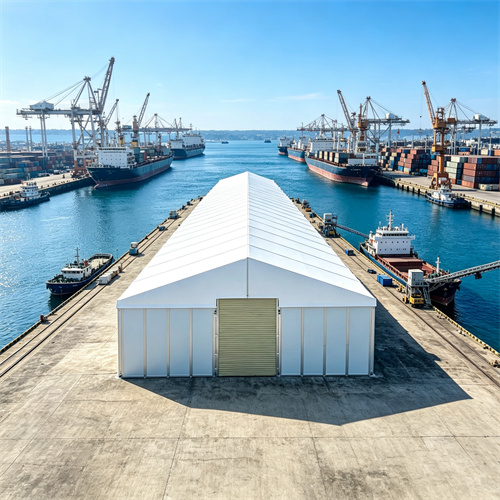 Key Differences Between Warehouse Tent and Traditional Warehouses
 Core Differences Between Heavy‑Duty Marquee and Light Weight Marquee
 The Relationship Between Marquee Fabric Weight and Service Life
 Characteristics and Applications of 850g and 650g PVC Tent Fabric
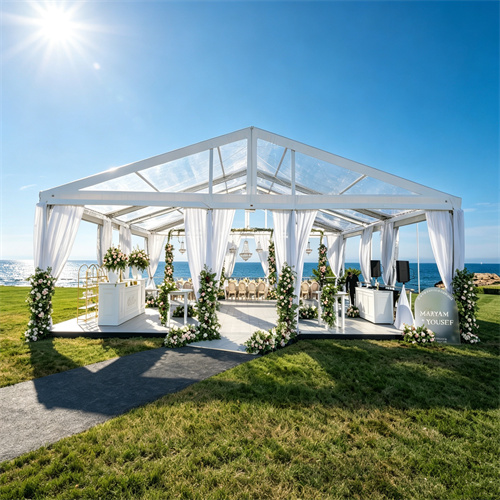 How to Keep Tent Cool and Sun-Safe in Summer?
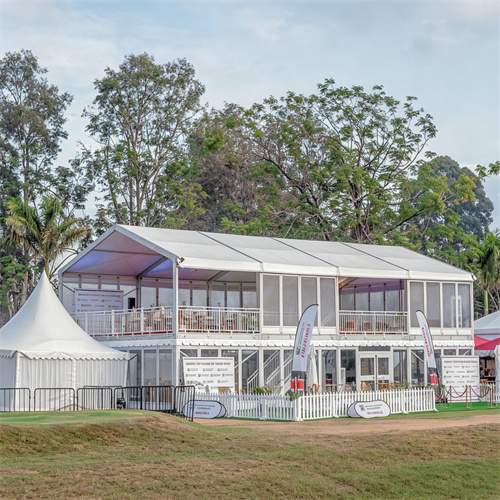 In Which Occasions Are Double-Decker Tents Suitable for Use?
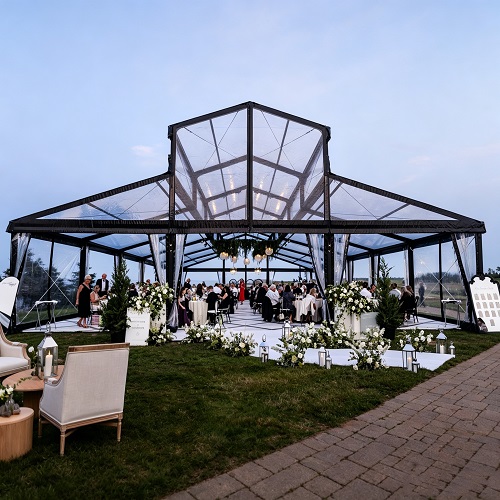 Guide to Marquee Tent Usage, Maintenance and Storage Under Various Weather Conditions
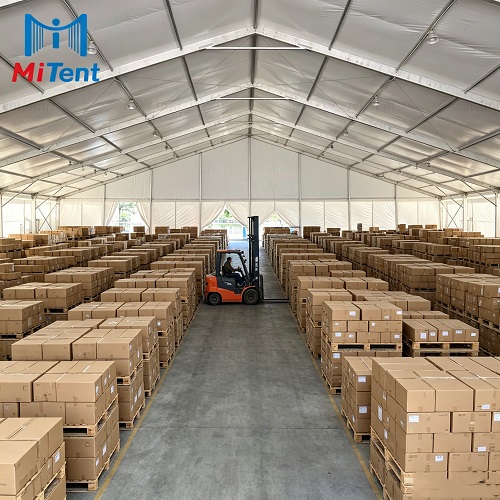 Features and Benefits of Warehouse Tents
 Features and Benefits of Full Transparent Tents
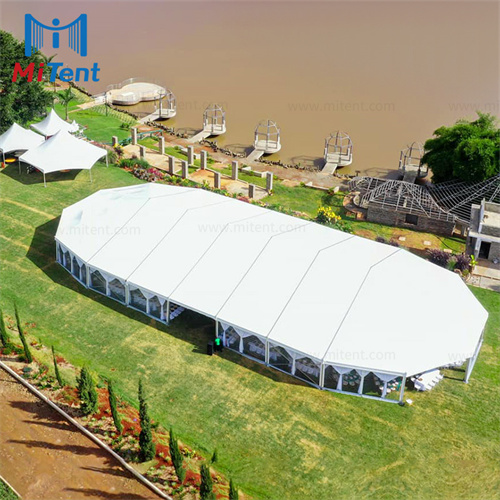 How Should the Outdoor Tent be Maintained in Windy Weather?
 How To Choose A High-Quality Party Tent Suitable for Your Events
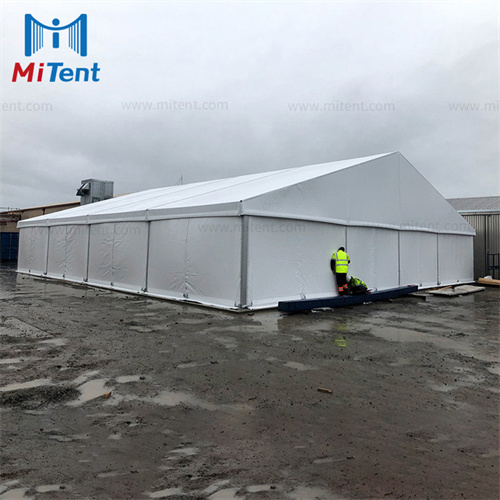 How to Remove Snow from a Tent in Heavy Snow Weather?
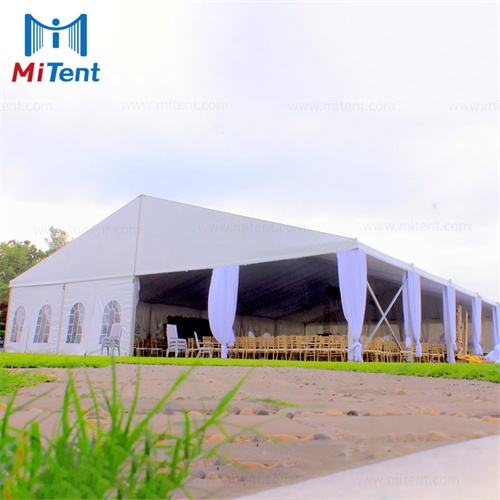 The Achievable Heights of Outdoor Marquees
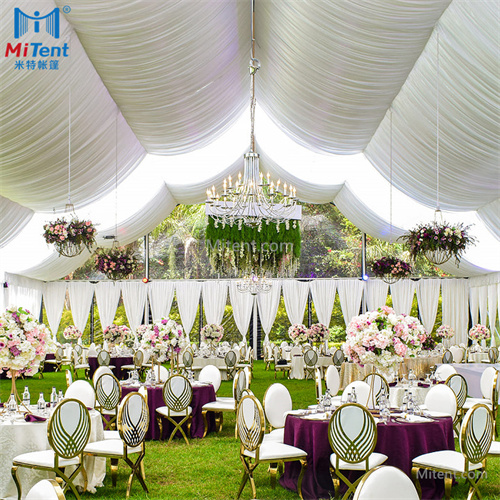 Decoration Techniques for Event Tents in Different Occasions
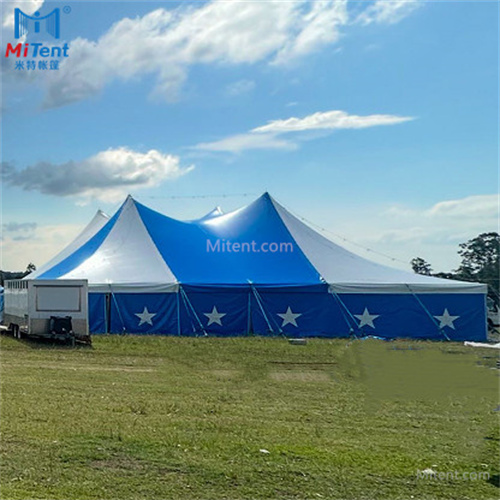 Precautions for Setting Up Outdoor Tents
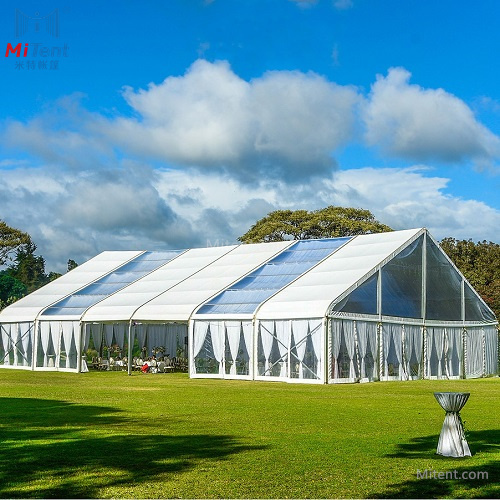 Characteristics and Processing Differences between Transparent PVC and White PVC in Tent Products
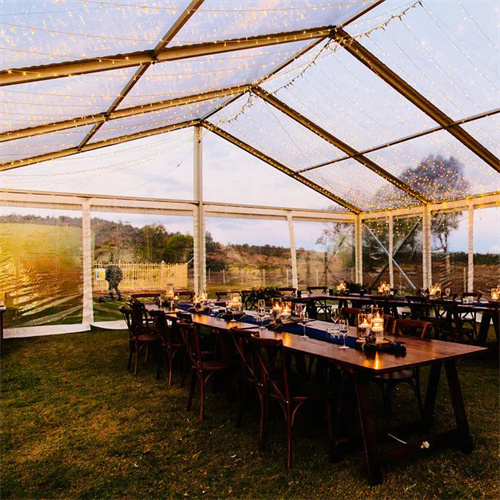 Advantages of Tents Made of Aluminum Alloy